How to Plan Your Own Wedding Without the Overwhelm
25 min
How to Plan Your Own Wedding Without the Overwhelm
Author
The ItsaYes TeamAuthor
So, you're engaged! Congratulations! Once the initial champagne-fueled haze of pure joy wears off, a single, slightly terrifying thought often creeps in: Now what?
That magical moment is almost immediately followed by a wave of questions from family and friends. Before you even have a chance to breathe, you’re being asked about dates, venues, and colors you haven’t even thought of yet.
Let's pause. Right here.
The single most important thing you can do right now is to tune out the noise, pour another glass of champagne, and just connect with your partner. The real first step isn't about spreadsheets or budgets. It's about dreaming together and defining the heart of your celebration.
Your Wedding Planning Journey Starts Now
Sit down and have a real ‘big picture’ conversation. Forget the details for a minute and focus on the feeling. When you close your eyes and picture your wedding day, what does it feel like?
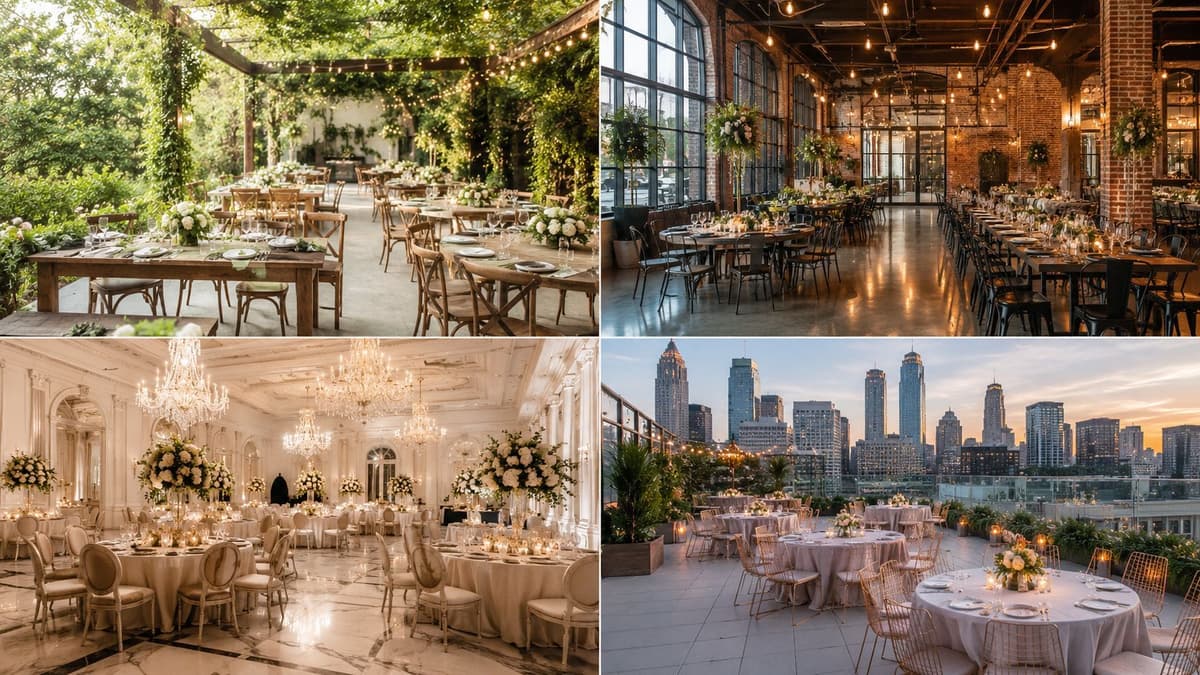
Is it a massive, blow-out party with a live band that keeps everyone on the dance floor all night? Or is it an intimate, candlelit dinner with just your closest circle of friends and family? Are you picturing something modern and chic in a city loft, or more of a rustic, relaxed vibe in the countryside?
There are no right or wrong answers here. This is about the two of you getting on the same page from day one.
Define Your Non-Negotiables
Every couple, whether they realize it at first or not, has a few things that are absolute must-haves. These are your non-negotiables, the elements you’re willing to prioritize, both in your planning and in your budget.
Think about what truly matters to you both. It might be:
The Guest Experience: Maybe incredible food and a top-shelf open bar are the most important things to you. You want your guests to eat, drink, and be merry.
Photography & Videography: You might be the kind of couple who wants to capture every single moment with an absolute dream team of photographers and videographers.
Killer Entertainment: Is there a specific live band you've been following for years? Maybe getting everyone dancing is your number one priority.
The Vibe: For some, it's all about the atmosphere. The lighting, the floral design, the overall aesthetic, that’s what will make the day feel special.
Nailing these down early ensures you’re both working toward the same goal and helps steer every future decision. For example, if a 12-piece band is a non-negotiable, you’ll know right away to look for venues that have the space, stage, and power to make it happen.
For a deeper look into these crucial first chats, our guide on the essential steps to planning a wedding is a great place to start.
The goal here isn't to make final decisions. It's to build a shared vision. This foundation ensures that as things get more complicated (and they will), you're both working towards the same dream, making the whole process feel more like a team effort and less like a mountain of chores.
From Inspiration to an Organized Plan
It's way too easy to get lost in a sea of Pinterest boards, saved Instagram posts, and random notes on your phone. Inspiration is amazing, but without a system, it quickly turns into a tidal wave of overwhelm.
Instead of juggling spreadsheets and scattered notes, ItsaYes brings your vision, tasks, budget, and timeline into one calm, intuitive workspace. You begin by defining your style and ideas, and the AI-powered platform helps you turn that inspiration into a clear plan, breaking the next 6 to 12 months into simple, manageable steps.
Your personal AI assistant is available 24/7 to suggest priorities, organize tasks, and keep everything moving forward without the stress. ItsaYes is built for newly engaged couples who want to enjoy the process, stay organized, and feel confident — from first inspiration to a fully structured plan.
Turning Your Vision Into a Realistic Plan
Alright, you’ve celebrated, you’ve dreamed, you’ve pinned all the things. Now comes the part where we turn that beautiful, chaotic cloud of ideas into a real, actual plan. This is the moment your wedding stops being a “someday” and starts becoming a “this is happening.”
The first 90 days are everything. They all boil down to two massive decisions that will steer the entire ship from here on out: your budget and your guest list.
Most couples tackle this foundational work about 12 to 18 months before the big day. Getting these big-ticket items sorted out first isn't just productive—it's the secret to moving forward with confidence instead of anxiety.
Start with the Money Conversation
Let's get the awkward part out of the way first. Talking about money is weird, but it is single-handedly the most important conversation you will have during this entire process. A realistic budget is your roadmap. Without one, you’re just driving in the dark, and that’s a fast track to stress and overspending.
Sit down with your partner and any family members who’ve kindly offered to chip in. The key is to be open, honest, and genuinely grateful for any contribution, big or small.
Get a Hard Number: Figure out the absolute total you can all comfortably spend. This isn't a "maybe" or "we'll see" number; it's a real figure that respects everyone's financial reality.
Keep It Separate: Open a dedicated bank account just for wedding funds. It’s a game-changer for tracking what’s coming in and going out, and it prevents wedding cash from getting lost in your daily coffee budget.
Give Every Dollar a Job: Once you have that total, you can start carving it up and assigning funds to different categories.
Knowing the numbers is everything. According to recent industry deep dives, U.S. couples spent an average of $30,500 in 2024, with that number expected to climb to $32,000 in 2025. Why? Because priorities are shifting towards guest experience—amazing food, great music, and incredible photography.
The venue alone often eats up about 40% of the entire budget, averaging around $12,000. That's why figuring out your total spend first is so critical. For couples like you who are 9-18 months out, you're in a great spot, 52% of couples begin planning exactly a year ahead, giving them enough time to book vendors before prices creep up. You can find more of these juicy details in these wedding industry statistics on weddingvenueowners.com.
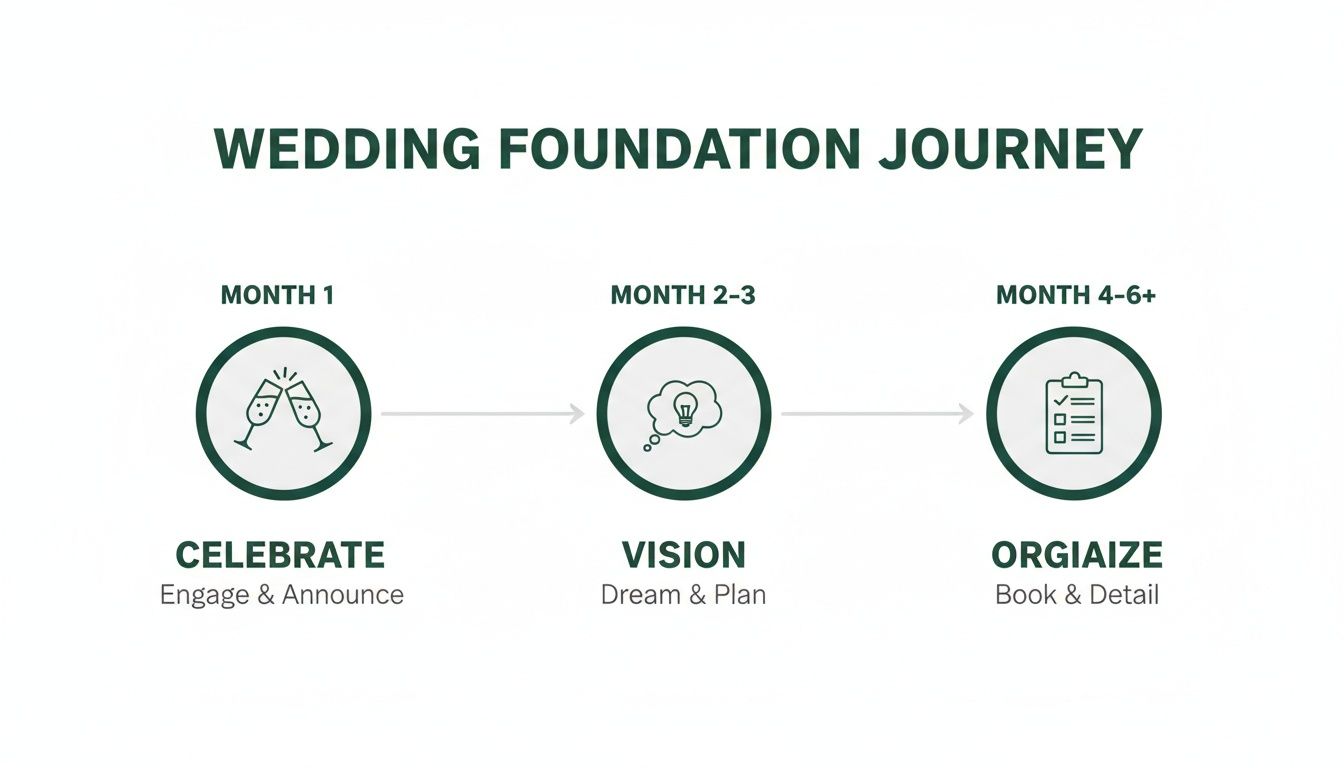
The image below gives you a bird's-eye view of this initial phase—moving from that "just engaged" bliss into the organized, vision-driven part of the journey.
It’s all about channeling that initial excitement into a solid, structured approach.
To help you get started, here's a sample budget breakdown. This isn't a rigid rulebook, but rather a guide to see where the money typically goes.
Sample Wedding Budget Allocation
Category
Percentage of Budget
Estimated Cost
Venue, Catering & Rentals
40-50%
$12,800 - $16,000
Photography & Videography
10-15%
$3,200 - $4,800
Attire & Beauty
5-10%
$1,600 - $3,200
Music/Entertainment
5-10%
$1,600 - $3,200
Flowers & Decor
8-12%
$2,560 - $3,840
Wedding Planner/Coordinator
5-10%
$1,600 - $3,200
Stationery (Invites, etc.)
2-3%
$640 - $960
Cake & Desserts
1-2%
$320 - $640
Favors & Gifts
2-3%
$640 - $960
Contingency (Just in case!)
5-10%
$1,600 - $3,200
Based on a$32,000total budget.
Use this as your starting point. If photography is your absolute must-have, you might allocate more there and trim back on florals. It’s all about what matters most to you.
Draft Your Preliminary Guest List
Okay, pillar number two: your guest list. Your guest count directly dictates your budget, your venue options, and the entire feel of your day. You simply can't book a venue without having a rough idea of how many people will be there.
Grab your partner and start making a few different lists. I always recommend this tiered approach:
The A-List: These are your non-negotiables. Immediate family, best friends—the people you literally cannot imagine getting married without.
The B-List: Close friends, aunts, uncles, cousins, and important colleagues you’d really love to have celebrate with you.
The C-List: The "would be nice to have" folks. Think plus-ones for single friends or that extended circle you see once a year.
This little system is a lifesaver when you start getting quotes from venues. You’ll see that cost-per-person number and suddenly it becomes crystal clear where the cutoff needs to be.
Remember, this is just a draft. It doesn’t need to be perfect right now. The goal is to land on a realistic headcount range (say, 100-120 people) so you can start looking for a venue that actually fits.
Prioritize Your High-Impact Vendors
With a budget in your pocket and a guest count in your head, you can finally start booking the big stuff. We're talking about the high-priority vendors—the ones who can only be in one place at one time and get booked up ridiculously fast, often more than a year out.
Your first two calls? Your venue and your photographer. Period.
The venue is your single biggest expense and it literally sets the date and the entire vibe for the wedding. The photographer is the person you’re trusting to capture the memories you'll look back on forever, and the truly great ones have calendars that fill up fast.
Nailing down these two foundational pieces makes it all feel real. Suddenly, you have a date, a place, and a tangible vision.
This is where a smart tool like ItsaYes can honestly save your sanity. Instead of drowning in spreadsheets, the platform helps you allocate your budget based on your real priorities and keeps all your vendor research in one calm, organized space. It cuts through the overwhelm of these huge decisions, turning them into a simple, clear set of steps so you can feel confident your plan is built to last.
Building Your Dream Vendor Team
You’ve got a date and a venue. Suddenly, this whole wedding thing feels incredibly real, doesn't it? Now for the fun part: assembling the creative professionals who will bring all those saved pins and daydreams to life.
This is your vendor dream team.
Think of this phase less like ticking off a checklist and more like casting the perfect partners for your vision. From the caterer crafting a menu that tells your story to the DJ who knows exactly how to get your grandma on the dance floor, these are the people you’ll be collaborating with for months. Choosing them well is one of the biggest moves you'll make, so it pays to be intentional.
Research That Goes Beyond a Quick Search
Your first instinct might be to just Google "wedding florist near me," but the best vendors often come from more curated sources. You're looking for professionals whose work genuinely makes you stop and say, "Wow, that's it."
Start by looking at who your favorite local venues and photographers work with. Check their blogs, their Instagram tags, and local wedding publications. This is how you find the people who are already creating the kind of magic you're picturing.
This is where planning has completely changed. In fact, a staggering 85% of couples planning for 2025 are using apps and platforms to manage everything from their guest list to their vendor hunt. And with 65% of wedding businesses now focusing their marketing online, you have more access than ever to discover and vet incredible talent. You can see more stats like these in this deep dive into wedding planning from amraandelma.com.
A modern planning system like ItsaYes is a game-changer here. Instead of trying to manage a chaotic mess of browser tabs, screenshots, and random notes, you can bring all your research into one calm, organized space. The AI assistant can help you sort potential vendors, track every email, and keep things moving without the headache.
Vetting Potential Vendors Like a Pro
Once you've got a shortlist, the real work starts. Vetting is about more than just looking at a pretty Instagram feed; it's about confirming you’re hiring a reliable professional with a solid reputation.
Dig into Recent Reviews: Don't just glance at the star rating. Actually read the reviews from the last 6-12 months on multiple sites. This gives you a real feel for their consistency, how they communicate, and how they handle the unexpected.
Always Schedule a Consultation: A call or video meeting is non-negotiable. This is your vibe check. You're going to be spending a lot of time with these people—you should genuinely like them!
Ask the Right Questions: Come to the meeting prepared. Go beyond just asking about price. Ask about their process, their emergency backup plans, and how they would approach a specific idea you have for your wedding.
Key Takeaway: The goal of a consultation isn't just to get a price quote; it's to see if this vendor is the right creative partner for you. Pay attention to how they listen. Do they seem genuinely excited about your vision, or are they just trying to sell you a standard package?
Understanding Contracts and Securing Your Team
You found someone you absolutely love—amazing! Before you celebrate, it’s time to put on your detail-oriented hat and really scrutinize the contract. This isn't just a formality; it's a legally binding document that protects both you and the vendor.
Make sure you can clearly identify these key elements:
Scope of Services: The contract must spell out everything that's included—and just as importantly, what’s not. For a photographer, this should specify hours of coverage, the number of shooters, and exactly what you're getting afterward (e.g., digital files, albums).
Payment Schedule: Look for a clear breakdown of the total cost, the deposit amount, and the exact due dates for every future payment. Be skeptical of any vague language or hidden fees.
Cancellation and Postponement Clauses: What happens if you have to change your date? What if the vendor has a family emergency? A good contract will lay out the terms for these worst-case scenarios so everyone is protected.
Once that contract is signed and the deposit is paid, they're officially on your team. This is where a dedicated system becomes your best friend. Using a smart wedding vendor manager tool helps you store contracts, track payment deadlines, and keep a log of all your conversations in one place. Nothing important gets lost in a crowded inbox, transforming vendor management from a source of stress into a smooth, simple part of your plan.
With your core vendor team locked in, the focus shifts. You've built the foundation of your wedding; now it's time to build the heart of it—the experience for your guests. This is where you move from logistics to personality, making the decisions that make your loved ones feel welcomed, informed, and genuinely cared for.
Finalizing your guest count is one of those make-or-break moments for your budget and your vibe. Interestingly, recent data from The Knot's latest real weddings study shows that younger couples are leaning into bigger celebrations. In the U.S., Gen Z couples are now averaging 131 guests, while Millennials are closer to 113.
But there's a catch. With 85% of couples saying inflation has impacted their plans, 41% are cutting back their guest lists to keep costs in check. It’s a real balancing act. To get those final numbers locked in, 49% of couples have ditched paper RSVPs for QR codes—a massive shift from just a few years ago.
Finalize and Communicate with Your Guests
Once you've made the tough calls on your final guest list, it’s time to get the word out. This is all about clear, beautiful communication.
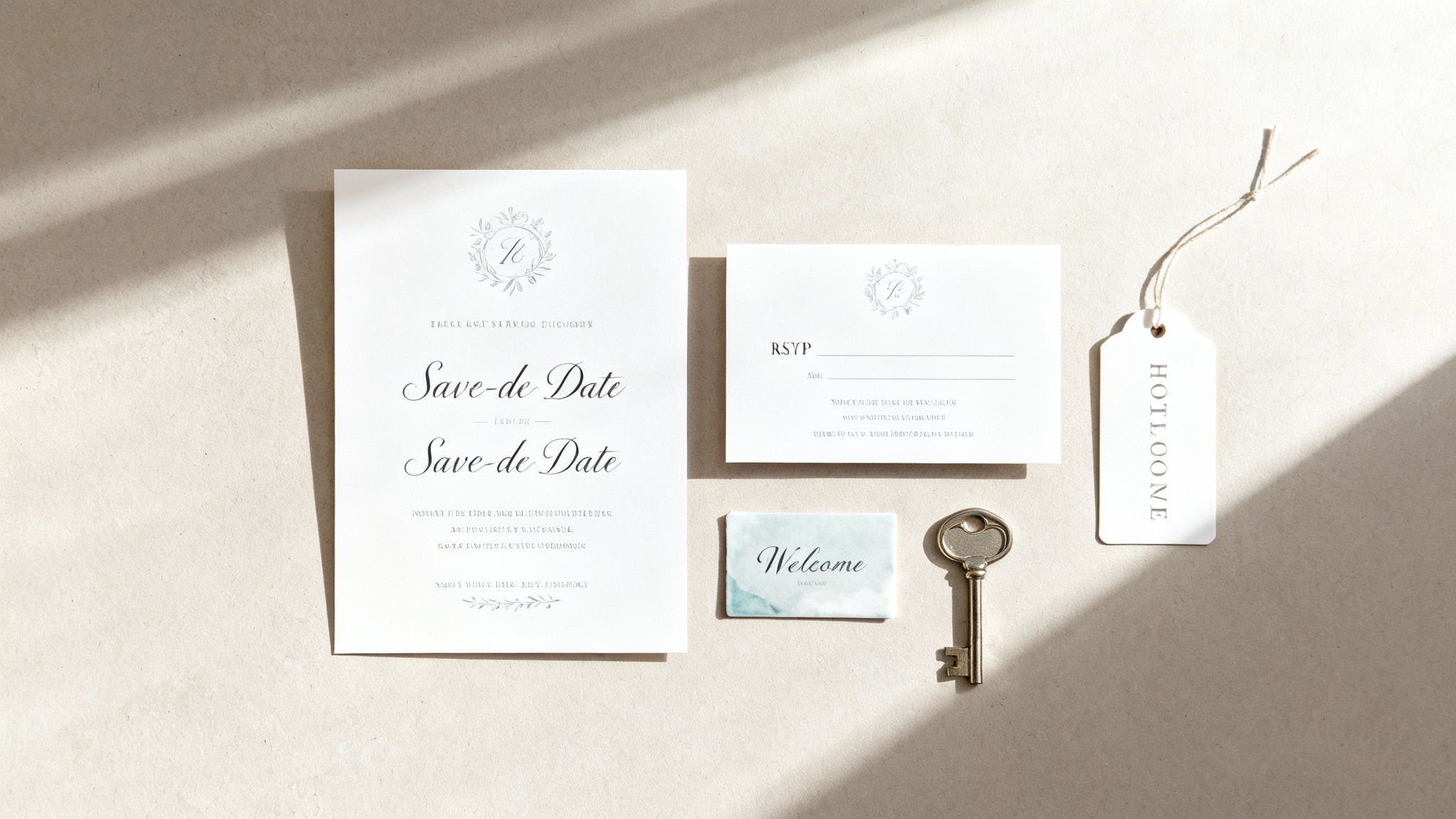
Send Save-the-Dates: Get these in the mail 6-8 months out. If it’s a destination wedding, give everyone more runway—think 9-12 months—so they can book flights and time off.
Design Your Invitations: The formal invitation sets the tone and should go out 6-8 weeks before the big day. Make sure it clearly states the date, time, venue, and dress code. No ambiguity here!
Create a Wedding Website: This will be your best friend. A good wedding website is the central hub for travel info, hotel blocks, your registry, and an FAQ section that will save you from answering the same questions a dozen times.
Juggling addresses, RSVPs, dietary needs, and plus-ones in a spreadsheet is a recipe for a headache. This is exactly why an integrated system is a lifesaver. Look for a tool that includes a dedicated wedding guest list app to keep all of that info in one organized, easy-to-find place.
Don't underestimate the power of a wedding website. It's the single best way to reduce the number of last-minute texts and calls you'll receive. When guests have a single place to find answers, you have more time to focus on the bigger picture.
Style Your Wedding Party
With your guests in the loop, you can turn your attention to your inner circle. Choosing what your wedding party will wear is a huge visual component that pulls your whole aesthetic together.
When picking out dresses or suits, you're looking for something that not only fits your wedding style but is also comfortable and flattering for a range of body types. One of the best modern approaches is to provide a color palette and fabric, then let your wedding party choose their own styles. It almost always results in a happier crew and a more dynamic, interesting look in photos.
Just remember to give them plenty of lead time, at least six months is a good rule of thumb for ordering and alterations.
Streamline Logistics for a Seamless Experience
A fantastic guest experience isn't just about pretty flowers and good music; it's about making the day feel effortless and enjoyable for everyone. Thoughtful logistics show your guests you’ve considered their needs from the moment they arrive to the moment they head home.
A few key tasks to nail down:
Booking Hotel Blocks: For anyone traveling, reserving a block of rooms at a nearby hotel is a huge help. Aim for one or two options at different price points. Most hotels offer a discounted rate, which is a nice perk for your guests.
Arranging Transportation: If your ceremony and reception are in different spots, or if the venue is a bit remote, arranging a shuttle is a game-changer. It ensures everyone gets there on time and, more importantly, gets home safely.
Planning the Rehearsal Dinner: This is your chance to thank your wedding party and immediate family in a more intimate setting. Keep it relaxed—the main event is still to come!
This part of wedding planning is where ItsaYes can really make a difference. Instead of juggling scattered notes and contacts, you can bring everything into one calm, organized workspace. The platform helps you manage all that guest information and track RSVPs as they roll in, while your personal AI assistant is there 24/7 to suggest what to focus on next, ensuring nothing falls through the cracks as you design a celebration your guests will be talking about for years to come.
The Final Sprint: Nailing Down the Details in the Last 3 Months
You’ve made it to the final three months. It’s the home stretch, but it can also feel like an absolute whirlwind. All the big, exciting decisions are behind you, and now the success of your wedding day rests on a million tiny, interconnected details. This is where organization isn't just a nice-to-have—it's everything.
This last phase is all about the three C's: confirming, finalizing, and communicating. You’re shifting from painting with a broad brush to using the finest-point pen, making sure every vendor, every member of your wedding party, and every guest knows exactly where to be and when. The whole point is to tie up every single loose end so you can actually be present and enjoy the day you’ve worked so hard to create.
Your 12-Week Master Plan
Think of these last few months not as one giant, terrifying to-do list, but as a series of manageable weekly checkpoints. This is when you'll see your plans become real, tangible things. The key is breaking it all down.
This is exactly where having a central hub for everything becomes a lifesaver. Instead of juggling scattered emails, scribbled notes, and a dozen mental reminders, a platform like ItsaYes pulls all these final tasks into one calm, organized workspace. Your personal AI assistant can help you prioritize what’s next and send automated reminders for crucial deadlines—like when your final vendor payments are due or when you need to get your song list to the DJ. It turns a potentially chaotic countdown into a simple, step-by-step process, keeping you on track without the overwhelm.
Crafting a Flawless Day-Of Timeline
If there’s one document that will make or break your wedding day, it’s the day-of timeline. This is the master script, the choreography for everything from the first swipe of mascara to the final sparkler send-off.
Start by working backward from your ceremony time. That’s your anchor. From there, block out time for every single activity. And I mean every activity.
Getting Ready: Don't just write "Hair & Makeup." List each person and their specific start time.
Photography: Schedule dedicated time for pre-ceremony photos, your first look (if you're having one), and all the various family portrait combinations.
Vendor Arrivals: List the exact arrival and setup times you’ve confirmed with your florist, caterer, DJ, and officiant.
Transitions: This is the one everyone forgets! Budget time for travel between locations for you, your wedding party, and your guests.
Once you have a draft, share it with everyone. Your vendors need it to sync up their efforts, and your wedding party needs it to know what their roles are. This single piece of paper (or digital doc) prevents so much confusion and ensures the day flows seamlessly.
A great timeline doesn’t just list what happens; it builds in buffer time. Things will run late. Hair and makeup might take an extra 20 minutes, or photos might run over. Adding a 15-minute cushion between major events is the secret to a relaxed, stress-free day.
Navigating the Final Details
Beyond the timeline, a few other critical tasks need your attention in these final weeks. Getting your marriage license is a big one. This is a legal requirement with a specific window of validity—often 30 to 90 days—so check your local county clerk's office for the rules and get it on the calendar.
This is also the time for your final venue walkthrough. Bring your coordinator or a detail-oriented friend and literally walk through the entire day. Visualize the flow. Where will the gift table go? Are there enough outlets for the DJ? Confirm the final floor plan and make sure you know exactly where key elements like the cake table and bar will be set up.
The seating chart can feel like a high-stakes game of Tetris, but it’s essential for a smooth guest experience. The goal here is comfort, not perfection. Group people who know each other or who you think will have a great conversation.
Finally, you’ll be finalizing music selections with your band or DJ and preparing final payments and tips for all your vendors. Keep these organized in labeled envelopes. It prevents any last-minute, awkward scrambles for cash or forgotten song requests. With these details locked in, you’re not just planning a wedding; you’re setting the stage for a day you can actually relax and enjoy.
Here's a quick-glance checklist to keep you on track as you head toward the finish line.
Final 3-Month Wedding Planning Checklist
Timeline
Task
Key Considerations
3 Months Out
Order Wedding Rings
Allow time for sizing and any custom engraving.
3 Months Out
Finalize Ceremony Readings & Vows
Share with your officiant for feedback and flow.
2 Months Out
Send Out Wedding Invitations
The ideal time is 6–8 weeks before the date.
2 Months Out
Schedule Hair & Makeup Trials
Bring photos of your dress and any hair accessories.
1 Month Out
Apply for Marriage License
Check your local jurisdiction's requirements and validity window.
1 Month Out
Final Venue Walkthrough
Go with your planner or coordinator to finalize layout and timeline.
2-3 Weeks Out
Finalize Seating Chart
Once you have your final RSVPs, you can tackle this puzzle.
2 Weeks Out
Confirm Final Details with Vendors
Reconfirm arrival times, final numbers, and day-of contact info.
1 Week Out
Pack for Honeymoon & Wedding Day
Prepare an emergency kit with essentials like safety pins and stain remover.
Day Before
Prepare Vendor Payments & Tips
Put cash/checks in labeled envelopes to hand off to your coordinator.
Ticking off these final items systematically will clear your mind and your plate, paving the way for a smooth and joyful celebration. You've got this
Got Questions? We’ve Got Answers.
Even with a perfect timeline, you're going to have questions. Everyone does. Think of this as your quick-reference guide for those moments you just need a straight answer without digging through a hundred blog posts. We’ve rounded up the questions we hear from newly engaged couples all the time.
Knowing the answers to these common hurdles beforehand can make the entire process feel worlds calmer and more in control.
Okay, I’m Engaged! What’s the Absolute First Thing I Should Do?
Before you open a single spreadsheet or Pinterest board, just… stop. Breathe. Enjoy this moment. Pop some champagne, call your people, and let the reality of being engaged sink in. Seriously, don’t rush this part.
Once you’re ready for the first practical step, sit down with your partner and talk about the big-picture vision. This isn't about colors or caterers yet. It's about the feeling.
Size: Are we thinking an intimate dinner for 20, or a massive party for 200?
Vibe: Is this a black-tie, formal affair, or a relaxed, barefoot-on-the-grass kind of day?
Priorities: What are our top three non-negotiables? (e.g., incredible food, a live band that keeps everyone dancing, epic photos).
This conversation is everything. It makes sure you’re both building the same dream from day one and is the single best way to prevent stress and miscommunication down the road.
How Do We Create a Realistic Budget Without Freaking Out?
The budget conversation can feel like the scariest part, but it’s manageable if you break it down. Start with a really honest talk about what you and your partner can comfortably spend. If family is contributing, you need to have those (sometimes awkward) conversations now to get a firm number. Don't work with maybes.
Once you have that total, think in percentages. A good rule of thumb is to allocate 40-50% of your total budget to the venue and catering—it’s almost always the biggest chunk. From there, you can pencil in smaller percentages for things like photography (10-12%), attire (8-10%), flowers, and so on.
A dedicated planning tool can do this heavy lifting for you. Instead of wrestling with formulas in a spreadsheet, a system like ItsaYes can automatically allocate funds based on your total and help you track every single dollar. It’s the best way to keep small, unexpected costs from completely derailing your budget.
Which Vendors Should We Book First?
This one’s actually pretty simple: prioritize the vendors who can only be in one place at one time. This creates a natural booking order that locks in your most important partners right away.
Your absolute first calls should be to:
Your Venue: The date isn’t real until the venue is booked. It sets the scene for everything else.
Your Photographer/Videographer: The really great ones book out a year or more in advance. If you have someone you love, pounce.
Your Caterer: If your venue doesn't have an in-house team, this is your next big-ticket item to secure.
Getting these foundational pieces in place gives your wedding a solid structure, making all the other decisions feel so much easier.
You're not just booking services; you're building your team. Look for professionals whose work you love, but also people you genuinely connect with. That positive, collaborative energy is what makes the planning process fun and the wedding day itself run like a dream.
What’s the Best Way to Stay Organized If I Hate Spreadsheets?
The secret to staying organized is to stop scattering your plans across a dozen different apps. Juggling a budget in Excel, inspiration on Pinterest, a guest list in a Google Doc, and vendor emails in a chaotic inbox is a recipe for overwhelm.
The most effective method is to bring everything into one central hub. Instead of juggling spreadsheets, Pinterest boards, and scattered notes, an AI-powered wedding planning system like ItsaYes brings your vision, tasks, budget, and timeline into one calm, intuitive workspace. It creates a single command center where everything lives together, turning a chaotic mess into a simple, step-by-step plan for couples who crave clarity and confidence.
Planning your wedding should feel like an exciting project, not a second job. With ItsaYes, you can turn all that inspiration into a clear, actionable plan from the very beginning. Our AI-powered system brings your vision, tasks, and budget into one calm workspace, with a personal assistant on call 24/7 to keep you organized and confident. It’s time to ditch the spreadsheet chaos and start a planning process you’ll actually enjoy. Start planning with clarity at itsayes.io.