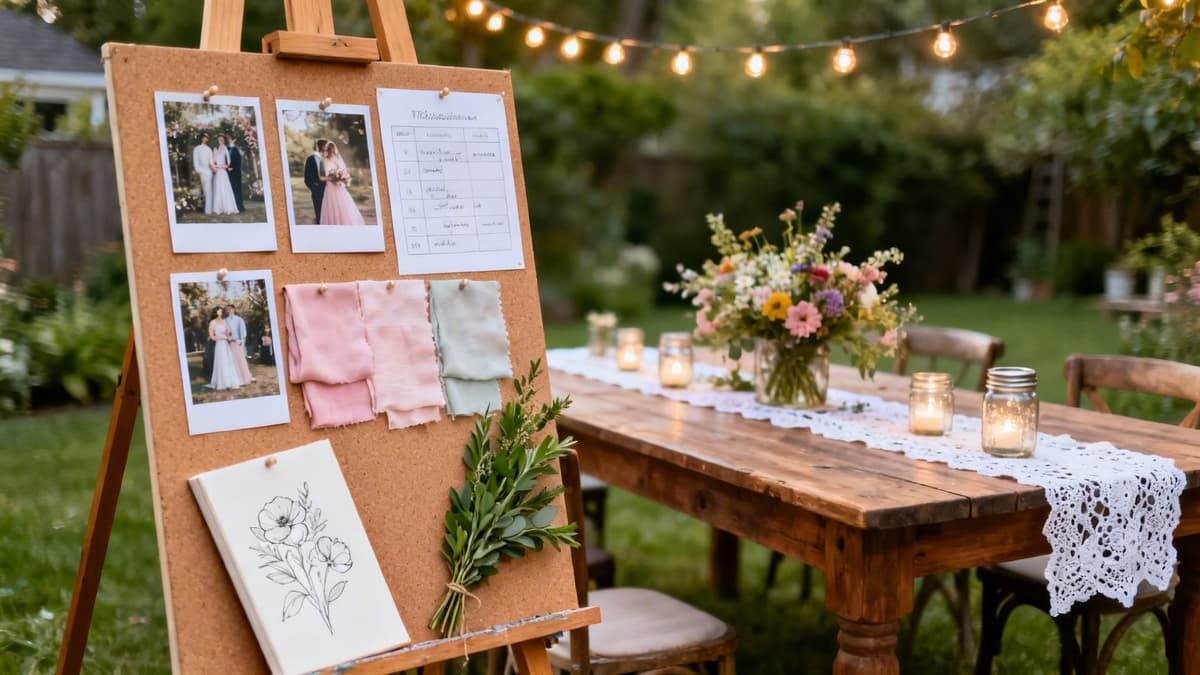
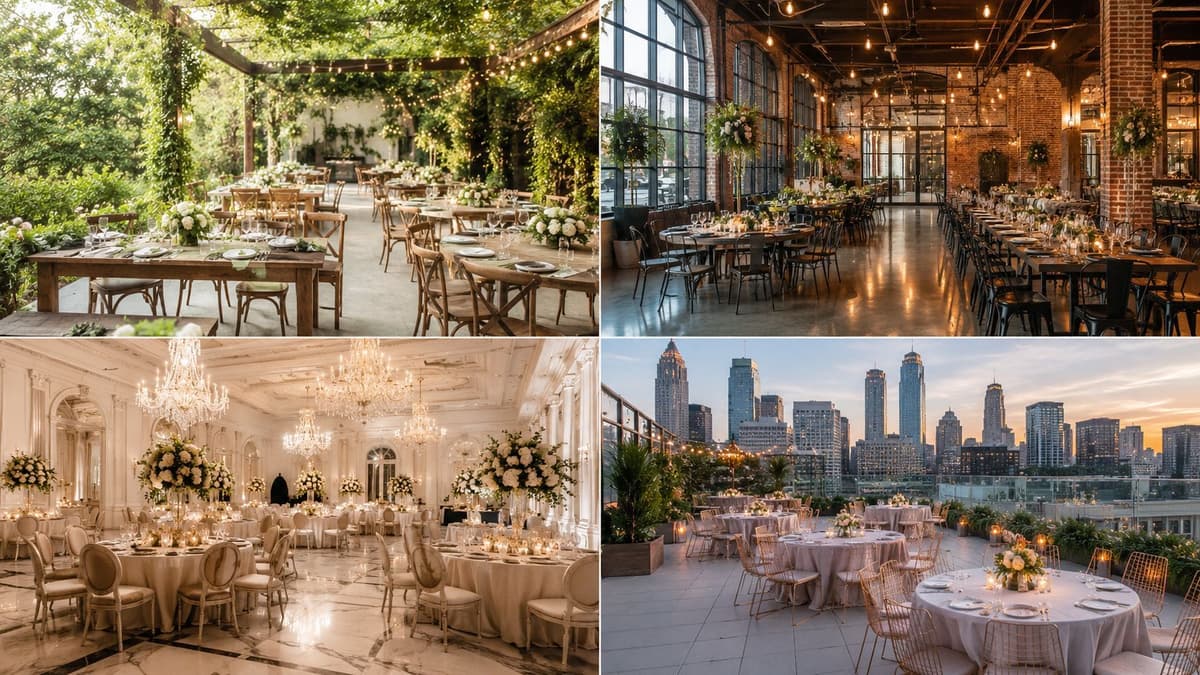
A backyard wedding offers a unique blend of intimacy and personalization, but transforming a familiar space into an extraordinary venue requires a clear, actionable plan. Many couples begin by defining their style on Pinterest boards full of beautiful backyard wedding ideas, only to find themselves overwhelmed juggling spreadsheets, scattered notes, and an endless stream of decisions. Instead of enjoying the process, they feel like they’re managing a chaotic project, which can take the joy out of planning.
This guide is designed to close that gap. Instead of providing generic advice, we offer a structured approach to bring your vision to life. You begin by defining your style and ideas. The platform then helps you turn inspiration into a clear plan, breaking the next 6 to 12 months into simple, manageable steps. We will explore eight distinct concepts, from strategic layouts and sustainable décor to creating the perfect evening ambiance with lighting and fire features.
Each idea is presented as a manageable project, complete with practical tips on décor, budget ranges, and timeline actions. Our goal is to help you move from first inspiration to a fully structured plan. Let’s turn your home into the stunning, personal, and unforgettable wedding venue you envision, ensuring the planning journey is as beautiful as the day itself.
1. Garden-Inspired Intimate Layout with Zoning Strategy
One of the smartest backyard wedding ideas for optimizing a smaller space is to implement a zoning strategy. This approach divides your yard into distinct, functional areas for each part of your event: the ceremony, cocktail hour, dining, and dancing. By creating separate zones, you guide guests through a seamless experience and make the space feel more intentional, intimate, and larger than it is.
The "garden-inspired" element comes from using your existing landscape as natural dividers. Think beyond renting pipe and drape; use a line of mature trees, a blooming rose bush hedge, or a tiered lawn to create visual separation. This technique not only saves money on decor but also integrates your wedding design beautifully with the natural environment. For example, a Brooklyn couple featured on Green Wedding Shoes created an herb garden ceremony backdrop that later served as a favor station for guests.
How to Implement a Zoning Strategy
To get started, map your backyard to scale. You can use a free online tool or even a simple app like Canva to create a basic layout. This visual plan will help you see potential traffic flow issues and decide where each zone should be.
Ceremony Zone: Position this area to take advantage of the best natural light, especially during sunset for stunning photos.
Cocktail & Lounge Zone: This is a great transition area, often placed between the ceremony and dining spaces. Use high-top tables and comfortable seating to encourage mingling.
Dining Zone: Ensure there's enough room for tables, chairs, and clear pathways for guests and servers. A minimum of six feet between zones is a good rule for comfortable movement.
Dance Floor & Bar: Keep this area near a power source and slightly away from the main dining tables to allow for both conversation and celebration.
Key Insight: Use lighting to define and connect your zones after dark. String lights can create a canopy over the dining area, while uplighting on trees can mark the perimeter of the lounge space, adding ambiance and improving safety.
Planning Your Zoned Layout
A detailed floor plan is critical for turning this idea into a reality. Instead of juggling scattered notes, use a system that brings your vision and tasks into one calm, intuitive workspace. As you develop your vision, you can explore different color schemes to complement the natural setting. Finding a palette that works with your garden's existing tones will make the entire design feel more cohesive. To get inspired, you can explore ideas for a botanical garden wedding palette and see how color can unify your distinct zones.
2. DIY Overhead Lighting with Bistro Strings and Edison Bulbs
One of the most effective backyard wedding ideas for creating a magical atmosphere is using overhead lighting. Bistro strings and vintage-style Edison bulbs can single-handedly establish a warm, romantic ambiance, serving as both functional illumination and the primary décor element for an evening celebration. This approach is budget-friendly yet visually stunning, creating depth, defining spaces, and ensuring your wedding photographs beautifully.
This lighting strategy has been brilliantly executed in various real weddings, from modern events on Style Me Pretty where bistro lights were the main decor, to rustic backyard affairs that mixed Edison bulbs with delicate fairy lights. The key is to hang them intentionally to create a "ceiling" effect, making an open-air space feel as intimate as an indoor venue. For an 80-person reception in LA, photographer Cavin Elizabeth captured how overhead strings cast an intimate, golden glow that unified the entire dining area.
How to Implement a DIY Lighting Strategy
Begin by mapping your lighting design at least six to eight weeks before the wedding. This lead time is crucial for identifying secure anchor points (like trees, poles, or the house itself) and confirming you have access to adequate, safe power sources. Planning this early prevents last-minute scrambles and ensures a flawless execution.
Choose the Right Ambiance: Use warm white bulbs (around 2700K) for a classic, romantic glow. If your aesthetic is more modern and crisp, opt for cool white lights (closer to 4000K).
Create Intentional Patterns: Don't just string lights randomly. Arrange them in a deliberate geometric pattern like a grid, a zigzag, or a tent-style from a central point to make the design feel purposeful.
Control the Mood: Install a separate dimmer switch. This allows you to set bright, welcoming light during guest arrival, lower it for intimate dinner conversation, and then raise it again for dancing.
Prepare a Backup Plan: Electrical issues can happen. Have a few battery-powered lanterns on standby to ensure key areas like pathways and restrooms remain safely lit no matter what.
Key Insight: For safety and peace of mind, consider hiring a licensed electrician for $300–$800. They can ensure your setup can handle the power load without tripping a breaker and can professionally secure the lights for a polished look.
Planning Your Lighting Layout
A successful lighting plan starts with a solid layout. Integrate your lighting map directly into your overall floor plan to visualize how the lights will interact with your dining tables, dance floor, and lounge zones. You can get help from a personal AI assistant, available 24/7 to suggest priorities and organize tasks so everything keeps moving forward without overwhelm. When planning your DIY overhead lighting, a practical guide to string lights for tents can offer creative setup ideas and power options that you can adapt for an open-air backyard setting. Always test every single string of lights before the wedding day to identify and replace any burnt-out bulbs.
3. Sustainable Minimalist Décor with Potted Plants and Greenery
For eco-conscious couples, one of the most impactful backyard wedding ideas is to focus on sustainable, living décor. This approach uses potted plants, greenery walls, and natural installations as the primary decorative elements, which minimizes waste from single-use florals. It creates a fresh, modern aesthetic that feels both intentional and environmentally responsible. Unlike cut flowers, potted plants can be repositioned throughout the event and later repurposed, gifted, or planted in your own garden.
This strategy is not just about sustainability; it’s also incredibly flexible. A zero-waste wedding featured in Vogue used potted olive trees to line the aisle and frame the reception space, creating a sophisticated, cohesive look. Similarly, you can rent larger statement plants, like monstera or fiddle leaf figs, to define a lounge area and simply return them after the event. The plants become a meaningful part of your story, not just temporary props.
How to Implement a Living Décor Strategy
Start by visiting a local nursery 6-8 weeks before your wedding. This gives you time to select healthy plants and learn their care needs. Consider a mix of textures and heights, from delicate ferns to bold ficus trees, to create visual interest and depth.
Ceremony Backdrop: Create a living arch with climbing ivy and potted ferns at its base. These can be planted in your home garden after the wedding as a lasting memory.
Aisle and Pathways: Use varying sizes of potted plants to line the aisle, guide guests between zones, or mark the entrance to the reception area.
Centerpieces: Small potted herbs like rosemary, thyme, or lavender make beautiful and fragrant centerpieces. You can find more inspiration by exploring different center table decoration ideas that incorporate greenery.
Guest Favors: Mini succulents or seed packets are a popular choice for eco-friendly wedding favors that guests can take home and nurture.
Key Insight: Create a care plan for your plants. Assign a trusted friend or your day-of coordinator a watering schedule to ensure everything looks fresh and vibrant throughout the celebration, especially on a hot day.
Planning Your Greenery Layout
A successful living décor plan requires organization from the start. Use a system to create a visual layout of your backyard, mapping out exactly where each plant or greenery installation will go. The right platform helps you turn your vision into a clear plan, breaking down tasks into simple, manageable steps for the months ahead. You can track your nursery orders, set reminders for plant care, and even suggest ways to repurpose the greenery after the event. This structured approach ensures your sustainable décor looks intentional and beautiful without adding last-minute stress, allowing you to enjoy the process and feel confident.
4. DIY Photo Booth and Backdrop Wall with Canva-Designed Elements
One of the most engaging backyard wedding ideas is creating a custom photo booth experience. This concept centers on a DIY backdrop wall featuring personalized elements you design yourself, offering guests a fun activity and generating a wealth of user-generated content. It's a fantastic way to inject personality into your reception, creating a visual focal point that doubles as entertainment.
This approach is perfect for design-savvy couples who want a cohesive aesthetic across their entire event. Using a tool like Canva, you can easily design signs, custom graphics, or geometric patterns that match your invitations and color palette. A couple on Green Wedding Shoes showcased how they designed their own backdrop graphics and paired them with a simple photo booth rental, while another on 100 Layer Cake printed large-scale geometric designs on foam board for a modern, minimalist look.
How to Implement a DIY Photo Booth
The first step is designing the core elements. Start this process 8–10 weeks before the wedding to leave plenty of time for printing and shipping. Your design can be as simple as an Instagram-style sign saying "Swipe Up to Celebrate" or as intricate as a full-scale patterned backdrop.
Design & Materials: Use your wedding colors and incorporate personal details like your initials, pet names, or inside jokes. Print your designs on weather-resistant materials like vinyl, laminated foam board, or canvas to withstand outdoor conditions.
Location & Lighting: Set up the backdrop where it can catch the best natural afternoon light. If your reception extends into the evening, position portable ring lights or spotlights to keep the photos bright and clear.
Guest Engagement: Provide a small basket of simple props like floral crowns, custom signs, or fun hats. To collect all the memories, set up a QR code that links to a shared album where guests can instantly upload their photos.
Management: Consider hiring a photography student or a friend for a few hours ($150–$300) to manage the booth, encourage guests, and help with any technical issues.
Key Insight: Install your backdrop so the bottom edge is two to three feet off the ground. This simple adjustment ensures the design is perfectly framed behind guests of varying heights, from children to tall adults.
Planning Your Photo Booth Experience
A well-planned photo booth feels like a natural part of the celebration, not an afterthought. Start by dedicating a section of your floor plan to this activity, visualizing its placement and traffic flow from the beginning. You can use an AI-powered planning system to get clarity from the very start, organizing tasks and keeping everything moving forward. As you design the graphics in Canva, you can create two or three different backdrop options or have rotating signs to keep guests engaged throughout the night. For a memorable keepsake, consider a digital wedding guest book using a virtual photo booth, allowing guests to leave personalized photo messages instead of just signing a book.
5. Flexible Tent and Draping Strategy for Weather Protection and Ambiance
One of the most practical backyard wedding ideas is incorporating a flexible tent and draping strategy. This gives you a reliable contingency for unpredictable weather while adding a layer of sophistication and intimacy to your design. Modern tent options go far beyond the traditional white vinyl, offering clear tops and minimalist structures that protect guests without obstructing scenic views or natural light.
Strategic draping inside the tent softens the structure, defines the space, and creates a romantic, elegant atmosphere. As seen in a rainy day wedding on Junebug Weddings, a clear-top tent with blush draping transformed a potentially damp event into a cozy, intimate celebration. The key is to see the tent not just as a backup plan but as an integral part of your wedding's aesthetic, allowing you to move forward with confidence regardless of the forecast.
How to Implement a Tent and Draping Strategy
Start by assessing your needs about six to eight months before your wedding date. Contact rental companies and schedule a site visit to ensure your yard can safely accommodate the tent's size and anchoring requirements. This is also when you'll discuss options like flooring, sidewalls, and lighting integration.
Choose the Right Tent: For maintaining an open feel, a clear-top tent (like a Taffrail) is an excellent choice. It allows guests to see the sky and stars, connecting the covered area with the surrounding landscape.
Select Draping Thoughtfully: The color and fabric of your draping should complement your overall wedding palette and lighting design. Request fabric samples to see how they look in your backyard's natural light.
Consider Partial Coverage: You don't have to cover the entire yard. Tenting just the dining area or the ceremony space can provide essential protection while leaving other zones open to the air.
Plan for Sidewalls: Opt for modular sidewalls that can be added or removed on the wedding day. This gives you maximum flexibility to respond to last-minute wind or rain without fully enclosing the space.
Key Insight: Schedule the tent installation for at least two days before your wedding. This buffer provides ample time to address any issues with placement, stability, or flooring and allows your other vendors (like florists and lighting technicians) to work around the structure.
Planning Your Tent Layout
A detailed layout is essential for a successful tented event. Before you book, map out your guest tables, dance floor, bar, and any other elements to confirm they fit comfortably within the tent's footprint. It's smart to use a system that helps you turn inspiration into a clear plan, allowing you to visualize the flow and document your weather contingency plan. Within a single workspace, you can create a specific task list for your rental, noting setup timelines and day-of weather triggers for deploying sidewalls. This structured approach turns a potential stressor into a manageable part of your beautiful and well-executed backyard wedding.
6. Intimate Fire Feature and Lounge Area for Extended Evening Ambiance
One of the most memorable backyard wedding ideas is creating a dedicated fire feature and lounge space. This element extends the celebration into the cooler evening hours, offering a cozy and inviting atmosphere where guests can relax after dinner. A fire pit or outdoor fireplace acts as a natural gathering point, encouraging conversation and creating a warm, ambient glow that complements the main reception area.
This approach adds a layer of comfort and interactive fun to your event. It’s perfect for crafting those 'Instagram-worthy' moments, from guests roasting marshmallows to couples cuddling under blankets by the fire. A rustic wedding featured on Green Wedding Shoes showcased a fire pit encircled with vintage chairs and blankets, while a modern celebration on Style Me Pretty used a sleek, linear fire feature with built-in seating for a chic, minimalist look.
How to Implement a Fire Feature
Before committing, it's crucial to address safety and logistics. Start by researching your local fire codes and permit requirements at least four to six months in advance. Safety should always be your top priority.
Placement & Safety: Position the fire feature downwind and a safe distance from dining tables, decor, and any structures to prevent smoke from bothering guests. Propane-powered fire tables or heaters are often a safer, smoke-free alternative to open wood fires in residential areas.
Seating Arrangement: Arrange comfortable lounge seating, like Adirondack chairs or upholstered outdoor sofas, about six to eight feet away from the heat source. Provide baskets of cozy blankets for an extra touch of hospitality.
Professional Oversight: Consider hiring a professional fire attendant for the evening. They can manage the fire, ensure guest safety, and handle any issues, giving you complete peace of mind.
Guest Amenities: Elevate the experience by setting up a s'mores bar or a station with hot beverages like spiked cider and hot chocolate. This encourages guests to migrate to the lounge area after dinner.
Key Insight: Clearly define the "fire zone" with subtle markers like lanterns or decorative rope. Always have a fire extinguisher easily accessible and ensure your wedding planner and key vendors know the emergency plan.
Planning Your Lounge Area
A well-executed fire feature requires careful integration into your overall event plan. Map out the lounge area in relation to your other zones to ensure smooth guest flow. A personal AI assistant can help you add specific tasks to your timeline, such as "Confirm fire permits" and "Book fire attendant," so nothing gets missed. This organized approach brings your vision, tasks, and timeline into one calm workspace, allowing you to create a safe, warm, and unforgettable evening ambiance for everyone.
7. Strategic Lighting and Timeline Planning for Golden Hour Photography
One of the most impactful backyard wedding ideas involves scheduling your entire day around the sun. This strategy focuses on aligning your ceremony and key events with the "golden hour" (the hour before sunset) to capture breathtaking, warmly lit photographs. By structuring your timeline backward from the sunset, you ensure your most important moments, like the first kiss and couple portraits, are bathed in the most flattering natural light possible.
This approach elevates your wedding photography's quality without adding extra vendor costs; it's all about intelligent timing. A summer wedding featured on Style Me Pretty perfectly illustrates this by adjusting its ceremony to a later evening start time specifically to catch the soft twilight hour. It requires close coordination with your entire vendor team but results in an album filled with dreamy, glowing images that feel effortlessly romantic and high-end.
How to Implement a Golden Hour Timeline
The first step is to determine the exact sunset time for your wedding date and location, which you can find online. Once you have that anchor point, you can build your entire schedule around it. This turns your timeline from a simple list of events into a strategic plan for capturing perfect moments.
Ceremony Start Time: Schedule your ceremony to begin 60-90 minutes before sunset. This timing allows the full ceremony, vows, and recessional to happen during peak golden hour.
Couple Portraits: Plan for your portrait session to take place immediately following the ceremony. This 30 to 45-minute window is when the light is most magical.
Ceremony Positioning: If possible, face your altar or ceremony space toward the west. This allows the setting sun to create a beautiful, natural backlight as you exit down the aisle.
Cocktail Hour: The "blue hour," the 15 to 30 minutes right after the sun sets, provides a cool, ambient glow perfect for cocktail hour photos.
Key Insight: Keep your ceremony lighting minimal to avoid competing with nature's display. Simple, subtle uplighting is more than enough. The goal is to let the natural sunset glow be the main source of ambiance.
Planning Your Light-Focused Schedule
A detailed timeline is essential for this strategy to work. Begin by obtaining the sunset time for your wedding date 4-6 months in advance and work backward to structure the day's events. The right planning tool helps you visualize each block of time in relation to the sunset, from the ceremony start to the cocktail hour, and breaks the process down into manageable steps.
As you build this out, remember to include a 10 to 15-minute buffer before the ceremony to account for any potential delays without losing precious light. A well-structured schedule ensures everyone, from your photographer to your caterer, is aligned. For more guidance on integrating photography needs into your schedule, you can learn how to create the perfect wedding photography timeline and ensure your day flows smoothly.
8. Multi-Sensory Reception Design: Sound, Scent, and Texture Curation
One of the most powerful backyard wedding ideas for creating a truly memorable atmosphere is to design an experience that engages all five senses. A multi-sensory approach moves beyond visual aesthetics, incorporating curated sound, signature scents, and tactile textures to immerse guests in the moment. This strategy is about building layers of detail that make your celebration feel intentional, personal, and deeply impactful.
The core idea is to think about your wedding as a complete sensory story. Instead of a playlist on shuffle, you have intentional music transitions that guide the mood from ceremony to reception. Rather than just pretty flowers, you introduce a signature scent that guests will associate with your day. A luxury backyard wedding featured in Vogue, for instance, had a custom scent created to match the couple's fragrance, weaving a personal touch throughout the event. This level of detail transforms a beautiful setting into an unforgettable experience.
How to Implement a Multi-Sensory Design
Begin by creating a sensory mood board on Pinterest or Canva. This is where you'll gather inspiration not just for colors and decor, but for sounds (song clips, genres), scents (florals, candles, essential oils), and textures (velvet, linen, silk) that align with your wedding vision.
Sound Curation: Work with your DJ or a live musician to map out the audio journey. Consider a string quartet for the ceremony, transitioning to a low-key jazz trio for cocktails, followed by a curated dinner playlist that builds into a high-energy dance set.
Scent-Scaping: Select a signature scent that complements the natural smells of your backyard. This could be a specific flower in your bouquet, scented candles near the lounge area, or even a subtle diffuser placed near the entrance.
Textural Elements: Choose materials with intention. Velvet linens can add a sense of luxury, raw silk runners provide an organic feel, and embossed stationery offers a tactile first impression. Even your menu can contribute, with dishes chosen for their contrasting textures.
Taste & Sight: Collaborate with your caterer on a menu that offers a progression of flavors and beautiful plating. Signature cocktails with unique garnishes and artfully arranged food stations contribute to the overall sensory narrative.
Key Insight: Create a simple "sensory guide" for your core vendors (florist, DJ, caterer). This one-page document outlines your chosen scents, key songs for transitions, and textural goals, ensuring every professional understands their role in building a cohesive experience.
Planning Your Sensory Experience
A detailed plan is essential for a multi-sensory design to feel intentional rather than random. Start sourcing elements like custom scents or specialty linens 3 to 4 months in advance. An AI-powered system can suggest priorities and help you track each sensory element within your overall timeline. You can create specific tasks for "Finalize Cocktail Hour Playlist" or "Confirm Linen Texture with Rentals" to ensure no detail is overlooked. This organized approach helps turn an abstract concept into a clear, actionable plan, ensuring your backyard wedding feels truly unique and personal to you.
Backyard Wedding Ideas: 8-Point Comparison
Option
Implementation Complexity 🔄
Resource & Cost ⚡
Expected Outcomes ⭐📊
Ideal Use Cases 💡
Key Advantages ⭐
Garden-Inspired Intimate Layout with Zoning Strategy
Medium — requires accurate measurement & floor‑planning
Deep emotional impact; distinctive, multi-sensory memories
Bring Your Backyard Vision to Life with Calm, Confident Planning
From creating intimate zoned layouts to curating multi-sensory experiences, the beauty of a backyard wedding lies in its profound potential for personalization. You have the freedom to transform a familiar space into an unforgettable reflection of your love story. The ideas we've explored, from strategic golden hour lighting to sustainable minimalist décor, are more than just aesthetic choices; they are the building blocks of a day that feels authentically yours.
The true magic happens when these individual elements come together into a cohesive, beautifully executed event. A fire pit lounge becomes more than just a seating area when it’s thoughtfully placed to encourage late-night conversations. DIY bistro lighting does more than illuminate; it sets a warm, inviting tone that guides the evening's mood. Each decision, from the texture of your table linens to the scent of potted herbs, contributes to a rich, immersive atmosphere that you and your guests will remember for years to come.
However, the path from first inspiration to a flawlessly executed wedding day is paved with countless details, decisions, and deadlines. This is often where excitement can turn into overwhelm. The key isn't to juggle more spreadsheets or open more browser tabs, but to adopt a smarter, more structured approach to planning.
The Bridge from Inspiration to Implementation
The most common challenge couples face is translating brilliant backyard wedding ideas into a manageable, step-by-step plan. You might have a clear vision for your DIY photo booth or the perfect tent draping, but how do you connect that vision to your budget, your timeline, and the specific tasks needed to make it a reality? This is where a dedicated planning system becomes your most essential tool.
A truly effective plan does three things exceptionally well:
It provides clarity: It breaks down the entire process, from 12 months out to the day-of, into small, achievable tasks.
It creates connection: It links your visual inspiration directly to your budget and vendor communications, ensuring every choice is aligned.
It builds confidence: It organizes everything in one central place, removing the mental clutter and anxiety of scattered notes and conflicting information.
Your Actionable Path Forward
The success of your backyard wedding hinges on turning your creative vision into a concrete project plan. Instead of feeling pulled in a dozen different directions, focus on building a calm, centralized foundation for your planning. An AI-powered system can act as your personal project manager, helping you organize your thoughts and prioritize what matters most at each stage.
Imagine a workspace where your moodboard for a garden-inspired layout connects directly to your rental checklist and florist budget. Picture your timeline for setting up string lights automatically populating your to-do list for the week of the wedding. This level of organization is what allows you to move beyond simply collecting ideas and start confidently building your dream day. By embracing a structured process, you free yourself to focus on the joy of the experience, knowing every detail is accounted for. This is how you create a deeply personal and unforgettable wedding, not through stress and scramble, but with calm, intentional planning.
Ready to turn your backyard wedding ideas into a clear, stress-free plan? ItsaYes is an AI-powered wedding planning system that brings your vision, tasks, and budget into one calm, intuitive workspace. Start building your structured plan today and enjoy the journey to your perfect day at ItsaYes.