Destination wedding packages: Dream venues, easy planning, great value
24 min
Destination wedding packages: Dream venues, easy planning, great value
Author
The ItsaYes TeamAuthor
Imagine trying to plan your wedding from thousands of miles away. It often feels like you're trying to put together a puzzle, but all the pieces are scattered across different continents. You're juggling time zones, potential language barriers, and a list of vendors you’ve never actually met. It’s a recipe for burnout.
This is exactly where destination wedding packages come in. They’re the master key that unlocks a much, much simpler planning process.
What Are Destination Wedding Packages, Really?
Think of a destination wedding package less like a rigid, one-size-fits-all product and more like the architectural blueprint for your wedding. It provides the essential structure, the foundation, walls, and roof, while you get to focus on the personal touches that make it feel like home.
It’s an approach that's becoming the go-to for modern couples who value a memorable experience over a logistical nightmare. Instead of getting lost in a sea of details, you're handed a clear path forward.
This isn’t some niche trend, either. Globally, destination weddings now make up about 17% of the entire wedding market. The industry has exploded, rocketing from , and it shows no signs of slowing down.
At their heart, these packages are about bundling services to save you time, stress, and often, a significant amount of money. They consolidate all the must-haves so you aren't starting from absolute scratch.
While every venue and resort will have its own unique twist, most packages are built around these fundamental pillars:
Venue and Ceremony Setup: This covers the actual location for your vows, plus basic seating, an altar or arch, and often a sound system for your music.
Officiant Services: You'll get a licensed or symbolic officiant to preside over your ceremony, handling the legal (or symbolic) side of things.
On-Site Coordinator: This is your point person at the venue—the one who ensures everything included in your package runs like clockwork on the big day.
Food and Beverage: Most packages include a set menu for a reception dinner and a basic bar package, typically for a set number of hours.
Basic Decor and Florals: This usually covers the essentials, like a bouquet for the bride, a boutonnière for the groom, and simple table centerpieces.
This bundled approach transforms the overwhelming task of international planning into a series of clear, exciting choices. Your plan starts to look less like a chaotic spreadsheet and more like a well-organized vision board.
To help you see the value at a glance, here’s a quick breakdown of what these packages typically offer and what that means for you.
Destination Wedding Packages at a Glance
Component
What It Means For You
Venue & Setup
The big decision is made. No need to scout dozens of locations from afar.
Key Vendors Included
Core vendors like an officiant and caterer are already vetted and included.
On-Site Coordinator
You have a built-in expert on the ground to handle logistics on wedding day.
Bundled Pricing
Costs are consolidated, making it easier to budget and often saving you money.
Simplified Decisions
You choose from curated options instead of an endless sea of possibilities.
Ultimately, a package streamlines the most time-consuming parts of planning, freeing you up to focus on what really matters.
A great destination wedding package doesn't limit your creativity; it gives it a foundation. It handles the 80% of logistical work so you can focus on the 20% that makes the day uniquely yours.
Why This Approach Works for Modern Couples
This kind of structured freedom is precisely why these packages are so appealing. You get the breathtaking location without the burnout that so often comes with planning from a distance.
For couples who want to replace scattered spreadsheets and notes with a single, calm workspace, a package is a perfect fit. When you use a system like ItsaYes, you begin by defining your style and ideas. The platform then helps turn your inspiration into a clear plan, breaking the next 6 to 12 months into simple, manageable steps. Your personal AI assistant is available 24/7 to suggest priorities and keep everything moving forward without overwhelm.
To get a feel for what’s out there, a comprehensive resource like this Dream Destination Guide for weddings in Mauritius offers a great look at how these organized offerings come to life in a stunning tropical setting.
Decoding What's Inside Your Wedding Package
Opening a brochure for a destination wedding package can feel like reading a menu in a foreign language—full of beautiful promises but a little vague on the actual ingredients. Let's move past the glossy photos and unbox a typical package to see what you're really getting. This way, you can make choices that fit your vision and budget right from the start.
Think of a standard package as a curated collection of the absolute essentials, what we often call "The Big Five." These are the foundational elements almost every celebration needs, bundled together for simplicity and (usually) better value.
The Big Five Standard Inclusions
Most packages are built around a core set of offerings. Getting a handle on these fundamentals is the first step to figuring out if a package is the right jumping-off point for your celebration.
Ceremony Venue and Basic Setup: This is your guaranteed spot to say "I do," whether it's a beachfront gazebo, a garden terrace, or a chapel. The package almost always includes standard seating for a set number of guests and a simple, non-custom altar or arch.
Food and Beverage Service: This nearly always covers a reception meal, often a buffet or a pre-set three-course menu. It also includes a basic bar package, think local beer, wine, and spirits, for a limited time, usually three hours.
On-Site Coordination: You get a dedicated point person at the resort who manages all the logistics included in the package. They're the expert on the venue's operations and make sure the day's events run smoothly on their end.
Foundational Decor and Florals: Expect the basics here. This usually means a standard bridal bouquet and a matching groom's boutonnière, plus simple, non-customizable centerpieces for the reception tables.
Officiant Services: The package will provide a person to legally or symbolically officiate your ceremony, depending on local marriage laws and what you need.
These five components are the backbone of pretty much every destination wedding package out there, giving you a solid and reliable foundation to build upon.
Think of your package like a classic, beautifully tailored suit. It’s elegant and complete on its own, but the real personality comes from the accessories—the pocket square, the custom cufflinks, the unique shoes. The package provides the structure; your choices provide the story.
Customizations and Common Upgrades
The base package is rarely the final story. This is where you infuse your personality, but it's also where costs can start to climb. Most couples add upgrades to bridge the gap between the standard offering and their specific vision.
A key part of most destination wedding packages involves the available accommodation options for both the couple and their guests. Many resorts offer room blocks or even a complimentary suite for the wedding couple as part of an upgraded package.
So, what’s often standard versus what’s considered an upgrade? This table breaks it down.
Standard Inclusions vs. Common Upgrades
This table gives you a clear look at what typically comes with a base package versus the popular add-ons that most couples choose to personalize their day.
Category
Typically Included (The Base)
Popular Upgrades (The Customizations)
Photography
Usually not included, or offers one hour with an in-house photographer.
Hiring your own photographer, extended coverage (6-8 hours), drone footage, engagement session.
Flowers & Decor
A single bouquet/boutonnière and generic table centerpieces.
Live band, professional DJ, string quartet for the ceremony, fire dancers, or a fireworks display.
Food & Beverage
Set menu, local-brand open bar for 3 hours.
Menu tasting and customization, premium liquor brands, signature cocktails, late-night snack station, extended bar hours.
Recognizing this distinction is crucial. It’s what helps you move from just tracking a package to building a clear, structured plan around it. By understanding what’s included from the start, you can focus on managing the customizations—turning your inspiration into an organized, actionable timeline without any last-minute surprises.
How to Budget for Your Dream Destination Wedding
Let’s talk about money. This doesn't have to be the scary part of wedding planning. In fact, getting your budget right isn't about restriction; it's about empowerment. A clear, realistic plan is what turns your dream destination wedding from a vague idea into an achievable reality, all without the financial anxiety.
The whole process kicks off once you understand the big-ticket items that really shape the final price tag. While every wedding is one-of-a-kind, there are three core variables that will always have the biggest say in where your money goes.
The Three Pillars of Your Wedding Budget
Think of your budget as a structure held up by three main pillars. If you change the size of one, the others will have to adjust to keep everything balanced. This gives you incredible flexibility to find the right combination that works for you.
Location: This is the single biggest cost driver, hands down. A private villa in Tuscany is going to have a wildly different price point than an all-inclusive resort in the Mayan Riviera.
Guest Count: Every single person you invite adds to the bottom line, food, drinks, seating, you name it. This is the most direct lever you can pull to manage your spending.
Level of Personalization: A standard package is a beautiful starting point. But if you want to bring in premium flowers, a live band, or a completely custom menu, those upgrades will naturally increase your budget.
Here’s a real-world example of how these pillars work together: A smaller guest list can be a secret weapon for creating a more luxurious experience. Hosting 50 guests instead of 150 might free up enough funds to upgrade from the standard bar to a top-shelf offering, or even add a welcome cocktail party without breaking a sweat. It’s the classic case of quality over quantity.
Breaking Down the Average Costs
The demand for destination weddings has absolutely exploded. The market was valued at a massive $36.22 billion in 2024 and is on track to hit an incredible $47.69 billion in 2025. As you'd expect, the average spend has climbed, too, sitting around $35,000 in 2023, a huge jump from $20,300 back in 2020. This isn't just inflation; it reflects a growing desire for high-end, personalized events that include everything from tech-forward invitations to sustainable décor.
Your budget isn’t a restriction; it’s a roadmap. It guides your decisions, helping you allocate funds to what truly matters most to you as a couple, ensuring your wedding day is a reflection of your values, not just your spending.
Expenses Beyond the Package Price
One of the most common mistakes couples make is forgetting about all the costs that fall outside the main venue package. To avoid any last-minute surprises, you have to account for these "beyond the package" expenses right from the very beginning.
Here are the big ones you absolutely need to factor in:
Flights and Accommodations: Even if your package includes a suite for you, your own airfare is a separate line item.
Wedding Attire: Your dress, suit, shoes, and all the accessories are significant personal expenses.
Rings: Your wedding bands are a beautiful and essential cost that exists outside the venue budget.
Vendor Travel Fees: If you're flying in your favorite photographer or planner from back home, you'll almost certainly need to cover their travel and lodging.
Welcome Parties or Brunches: Any events outside of the main ceremony and reception are rarely included in a standard package.
Sample Budgets for Every Style
To make this all a bit more concrete, let's look at three common budget tiers. Think of these as helpful starting points, not strict rules, to see what's possible at different spending levels. For a more detailed look at how destination costs stack up against local weddings, check out our guide on how much a wedding really costs.
The Chic & Simple Wedding ($15,000 - $25,000): This is the sweet spot for an intimate celebration with 20-40 guests. Think a beautiful all-inclusive resort in Mexico or the Caribbean, covering a standard package with just a few personal touches.
The Elegant Escape ($25,000 - $40,000): In this range, you can comfortably host 40-75 guests or opt for a more exclusive location in Central America or even parts of Europe. This budget allows for meaningful customizations, like hiring your dream photographer or upgrading the floral designs.
The Luxe Celebration ($40,000+): This opens the door to high-end resorts, bigger guest lists (75+), and major personalization. You can plan a multi-day event, book a top-tier live band, and work with the chef on a fully custom menu.
Choosing and Customizing the Perfect Package
This is where the magic really happens, where your vision starts to meet reality. Sifting through destination wedding packages shouldn't feel like you're settling. It should feel like you've found the perfect starting point, a canvas that already has the right colors and textures, just waiting for your personal touch.
The right package makes the entire planning process calmer and more focused because it aligns with your dreams from the get-go. To find that perfect fit, you need to look beyond the price tag and start comparing what’s actually possible.
The Three Pillars of a Perfect Package
Navigating the world of destination wedding packages is way easier when you know what to look for. By zeroing in on these three core areas, you can confidently filter your options and find the one that gives you the best foundation for your celebration.
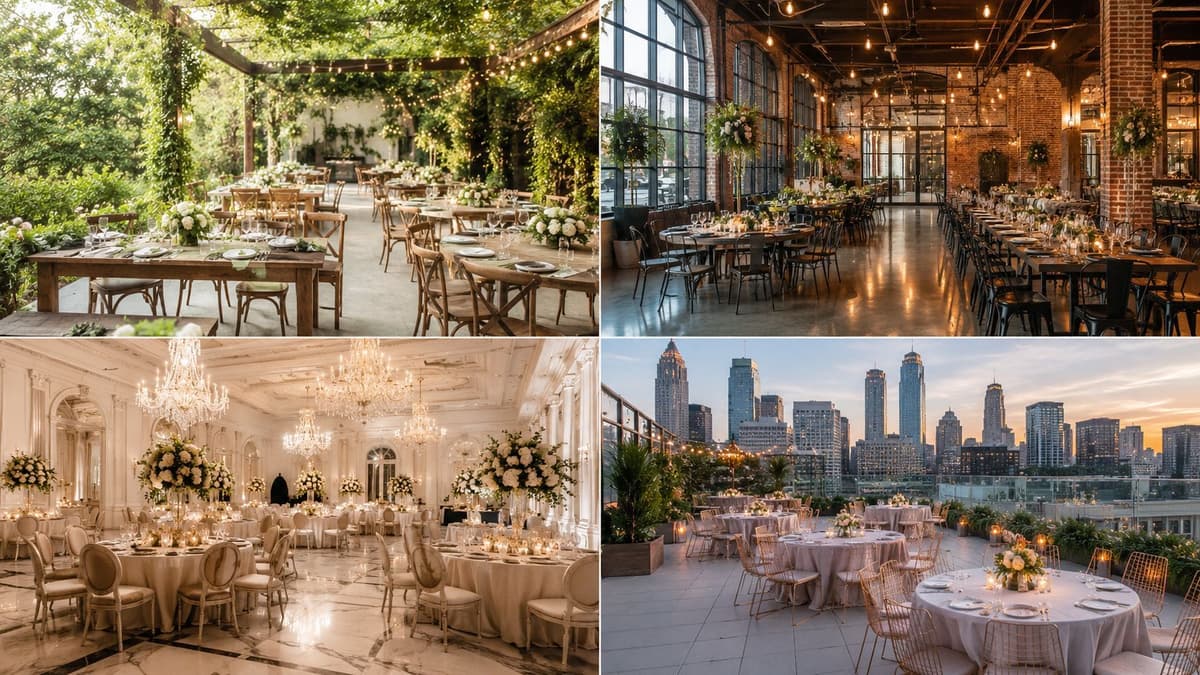
Alignment with Your Aesthetic: Does the venue’s style actually resonate with your personal vision? If you’re dreaming of a modern, minimalist wedding, a resort covered in rustic, tropical decor probably isn’t the right fit, no matter how great the package inclusions are. Look closely at the architecture, the landscaping, and the existing decor. Does it harmonize with the look you've been pinning for months? This initial match is critical because it dramatically reduces the need for expensive decorative upgrades down the line.
The Overall Guest Experience: A destination wedding is as much an unforgettable trip for your guests as it is a celebration for you. Put yourself in their shoes for a minute. Is the resort easy to get to? Are there fun on-site activities and amenities for them to enjoy during their downtime? A package at a venue that offers a seamless, incredible experience for your loved ones adds a ton of value that goes way beyond just the wedding day events.
Vendor and Customization Flexibility: How much freedom do you really have to make the day your own? Some packages, especially at big all-inclusive resorts, come with a very strict list of preferred vendors. If you have your heart set on bringing in your favorite photographer or DJ from back home, you absolutely need to know if that’s even an option. Always ask about their policy on outside vendors and, this is a big one, if there are any "outside vendor fees." These can be surprisingly substantial.
Think of a base package as the foundation and frame of a house. The three pillars, aesthetic, guest experience, and flexibility, are your architectural plans. They ensure that what you build on that foundation is stable, functional, and truly feels like home.
Critical Questions to Ask Before You Commit
Before you even think about signing a contract, it’s time to put on your investigative journalist hat. The answers to these questions will tell you everything you need to know about the package and the team you’ll be working with. Don't be shy; getting clarity now will save you so much stress later.
Here are the non-negotiable questions to ask the on-site coordinator:
Weather Contingency: "What are your specific contingency plans for bad weather? Can we see photos of the indoor backup space?"
Vendor Flexibility: "Can we hire our own photographer, florist, or DJ? If so, is there an outside vendor fee, and how much is it?"
Hidden Costs: "Are there any service charges, taxes, or gratuities not included in the package price? What about staff overtime fees?"
Customization Options: "Which elements of the package are customizable? Can we upgrade the bar, alter the menu, or substitute items we don't need?"
Payment and Cancellation: "What is the payment schedule, and what is your cancellation policy?"
This conversation is your most powerful planning tool. It shifts you from just buying a package to becoming an informed partner in creating your wedding. For a deeper dive into finding a location that checks all your boxes, check out our guide on how to choose the best wedding venue for your style and budget.
Ultimately, choosing and tailoring a package is all about finding that sweet spot between the convenience of a pre-set structure and the personal touches that make your wedding uniquely yours. A system like ItsaYes is built for newly engaged couples who want to enjoy the process and feel confident from first inspiration to a fully structured plan. It brings your vision, tasks, and budget into one calm, intuitive workspace so you can bring all your custom details to life.
Your 18-Month Destination Wedding Planning Timeline
A destination wedding doesn’t just appear out of thin air; it’s a journey that unfolds over time. We've broken that journey down into four clear phases to turn your big, beautiful dream into a reality, without the overwhelm. Think of this as your roadmap, designed to take the guesswork out of the process so you can actually enjoy every moment, from the engagement all the way to "I do."
This timeline provides the structure. When you have a system keeping all the moving parts in one calm, organized space, this roadmap becomes a genuinely exciting adventure, not a stressful to-do list.
Phase 1: The Vision (18 to 12 Months Out)
This is the dreaming phase. It's where you lay the groundwork for everything to come, and it's all about broad strokes—defining what your wedding feels like, setting a realistic budget, and narrowing down the entire world to a handful of dream locations. The goal here is clarity, not commitment.
Your Actionable Checklist:
Define Your Wedding Style: Sit down as a couple and talk about your vision. Are you picturing a chill beach vibe, a chic European affair, or something else entirely?
Establish a Preliminary Budget: Get real about a comfortable spending range. This number will be the single most important guide for your venue and package search.
Draft Your Initial Guest List: Create a "dream" guest list to get a ballpark headcount. This is so important because the number of guests directly impacts your budget and venue options.
Research Potential Destinations: Start exploring countries, regions, and specific venues that line up with your style and budget.
Hire a Wedding Planner (Optional): If you're planning to work with a pro who specializes in destination weddings, now is the perfect time to start looking.
This visual breaks down the three core pillars of choosing a package, Aesthetic, Guest Experience, and Flexibility, which are absolutely central to this early planning phase.
Focusing on these three elements from the very beginning ensures that the packages you end up considering are already a strong match for what you truly want.
Phase 2: The Booking (12 to 9 Months Out)
With your vision clear, it’s time to make some exciting commitments. This phase is all about locking in the big, non-negotiable pieces of your wedding puzzle. Securing your venue and key vendors early not only guarantees you get your first choices but also gives you and your guests plenty of time to sort out travel.
Your Actionable Checklist:
Finalize Your Venue and Package: Pick your dream spot and sign the contract for your destination wedding package. Make it official!
Book Key Vendors: If they aren't included in your package, now is the time to book your photographer, videographer, and any other high-priority vendors.
Create Your Wedding Website: Build a central hub of information for your guests. This is where you'll share travel details, hotel recommendations, and the event schedule.
Send Save-the-Dates: Give your guests plenty of notice—9-12 months is standard for destination weddings and gives everyone time to plan.
Phase 3: The Details (9 to 3 Months Out)
The foundation is set. Now you can dive into all the personal touches that will make the day uniquely yours. This is the fun, creative part where you'll finalize logistical details, from menu tastings to music choices. Communication with your guests also becomes a top priority during this stage.
Your Actionable Checklist:
Finalize Guest Travel: Confirm room blocks and any group transportation details.
Choose Wedding Attire: Time to select and order your dress, suit, and outfits for the wedding party.
Plan the Ceremony: Work with your officiant to design the ceremony flow and write your vows.
Customize Your Package: This is when you'll finalize menu selections, cake design, floral arrangements, and any decor upgrades with your on-site coordinator.
Send Formal Invitations: Pop your invitations in the mail 3-4 months before the wedding date.
Phase 4: The Final Countdown (3 Months to Wedding Day)
The last few months are all about confirming final details and getting ready to travel. Staying organized here is the key to a smooth, stress-free home stretch. This is where having a central planning hub really proves its worth, keeping every last detail in one easy-to-find place.
With a solid plan in place, this final phase isn't about scrambling. It's about calm execution, allowing you to shift your focus from planning the event to anticipating the experience.
Your Actionable Checklist:
Obtain Your Marriage License: Research and complete all the necessary legal paperwork, both at home and in your destination country.
Finalize the Guest Count: Collect your RSVPs and give the final headcount to your venue and caterer.
Create a Detailed Itinerary: Develop a day-of timeline and share it with your vendors and wedding party so everyone is on the same page.
Confirm Everything: Triple-check all arrangements with your venue and every single vendor. No detail is too small.
Pack Your Bags: Get your wedding attire, legal documents, and all your personal items organized for the trip. And then, take a breath. It's time to enjoy the moment
How to Connect Your Package to a Smart Planning System
So, you’ve secured a fantastic destination wedding package. It’s got the venue, the caterer, the core vendors, the “what” of your wedding is officially handled. But the real secret to a stress-free experience isn’t just having the pieces; it’s how you manage them. This is where a modern planning system comes in, turning that collection of services into a wedding that feels completely under control.
Think of it this way: instead of juggling spreadsheets, Pinterest boards, and scattered notes, an AI-powered platform like ItsaYes brings your vision, tasks, budget, and timeline into one calm, intuitive workspace. It bridges the gap between the package you bought and the personalized event you’re actually creating.
From a Static File to a Living Dashboard
The real magic happens the moment you plug your package details into a centralized system. You’re not just filing away a PDF; you’re bringing it to life. Log the vendor contracts, input the payment schedule, and track key conversations. That simple act transforms static information into a dynamic, actionable plan that works for you.
A destination package is a brilliant head start, but its true potential is only unlocked when you plug it into a system that tracks every moving part. This is how you stay in the driver's seat, even from thousands of miles away.
Once all your information is in one place, a personal AI assistant can start doing the heavy lifting. It can generate reminders based on your package payment deadlines, so you’re staying on top of finances without having to set a million calendar alerts. This is the difference between simply having a plan and having a plan that actively keeps you on track.
Personalizing Your Package with Total Confidence
Beyond just tracking the basics, a smart system helps you manage any custom additions with absolute clarity. When you decide to upgrade the floral arrangements or bring in that photographer you love from back home, you add those new details directly into your overall vision, budget, and timeline. The system adjusts, keeping everything perfectly in sync.
This integrated approach lets you see exactly how each customization impacts your budget in real-time—no surprises. For a deeper look at how smart tools stack up against traditional methods, you can learn more about the costs and benefits of an AI wedding planner. By connecting your package to an intelligent platform, you turn a pre-set agreement into a fully personalized, organized, and beautifully calm planning journey.
Got a Few Lingering Questions?
Even with a great package in front of you, a few “what if” questions always pop up. That’s completely normal. This is where we tackle the most common ones head-on, giving you quick, clear answers so you can move forward with total confidence.
When Is the Best Time to Book a Package?
For the best possible selection of venues and pricing, you’ll want to book your destination wedding package 12 to 18 months in advance. I know it sounds early, but this is especially critical for popular resorts, those coveted Saturday dates, or if you're planning on a larger guest list.
Booking this far out does two fantastic things. First, it gives everyone plenty of breathing room to sort out travel plans without that last-minute scramble. Second, it locks in the current year's rates, protecting you from the annual price hikes most venues implement. It’s a huge win for your budget.
Are Destination Weddings Legally Binding?
This is a big one, and the answer varies wildly depending on the country. It's a detail you absolutely have to nail down. Many packages streamline the process by focusing on a beautiful, symbolic ceremony. In that case, you’d handle the official legal paperwork back home before or after you travel, which is often much simpler.
However, some destinations and packages will guide you through the entire legal process. You need to ask your coordinator these specific questions to be sure:
What are the local residency requirements for a legal marriage? (Some places require you to be in the country for a few days beforehand.)
What specific documents will we need to bring? (Things like birth certificates, passports, etc.)
Are there extra fees for processing all the legal paperwork?
Getting this cleared up from the start ensures your marriage is officially recognized everywhere, with zero surprises later.
Think of your destination wedding package as the framework of your house. Your questions are what turn it into a solid, personalized home. Asking the right things now saves you from stress later, letting you focus on the celebration, not the paperwork.
How Much Should Guests Expect to Pay?
The cost for guests can swing quite a bit, but it's pretty common for them to spend somewhere between $1,200 and $2,000 per person on flights and accommodations. That's a significant commitment, and there are ways you can help make it easier for them.
Work with your resort to secure a discounted room block for your group. Most venues are more than happy to set this up for you. Then, make sure to communicate these expected costs and the hotel deals clearly on your wedding website. It's a thoughtful touch that helps your favorite people budget and plan their travel without the guesswork.
Feeling confident about your next steps? A destination wedding package provides the core elements, but an organized plan brings it all together. With ItsaYes, you can transform your package details, budget, and timeline into a single, intuitive workspace. Our AI-powered system helps you turn inspiration into a clear, manageable plan, keeping everything moving forward without the overwhelm. Start building your structured, stress-free wedding plan today at https://itsayes.io.