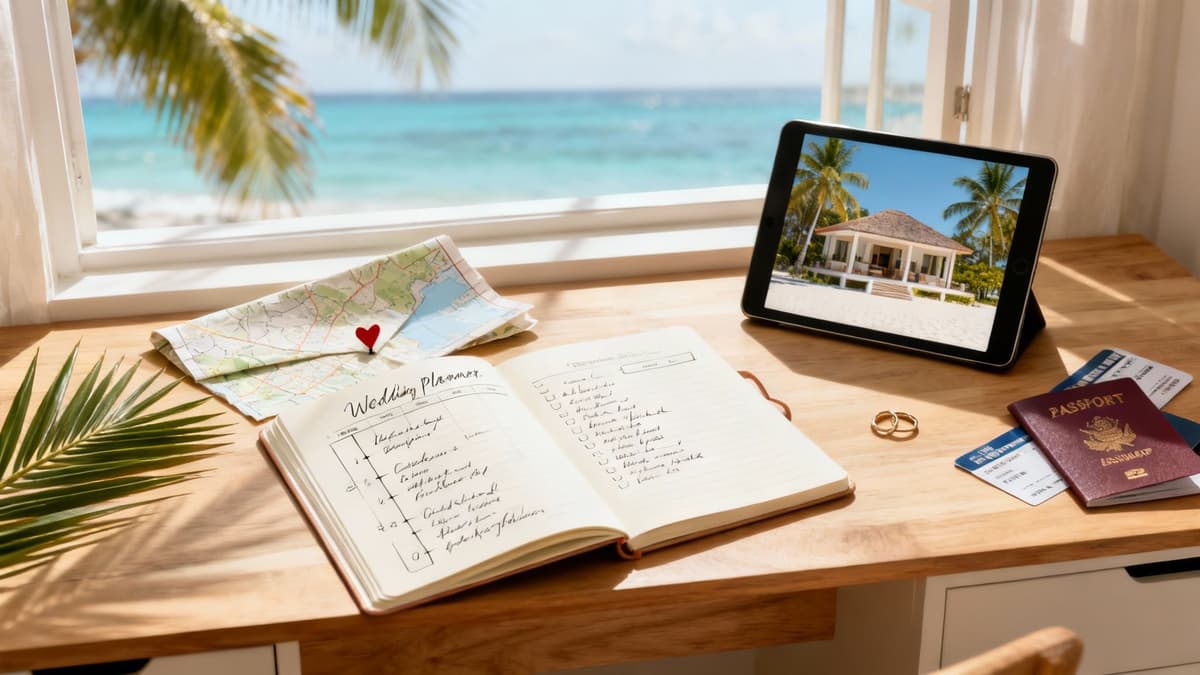
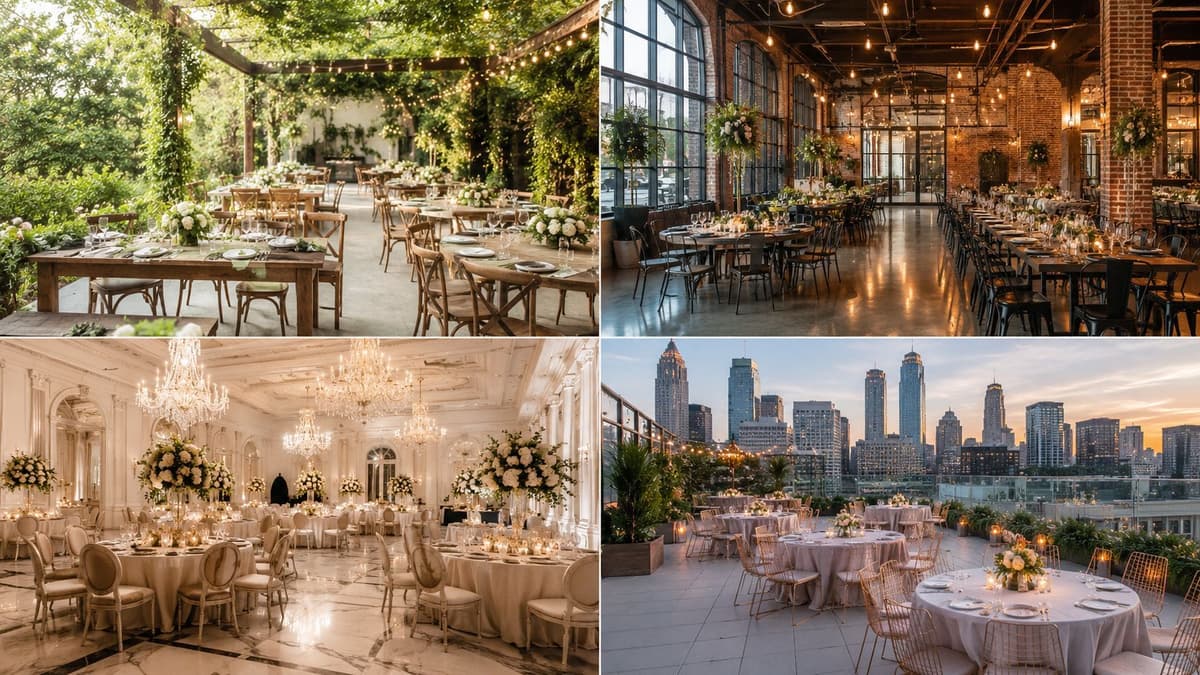
So, you're planning a destination wedding. Before you even think about spreadsheets or budgets, let’s talk about the most important first step: the vibe.
This isn’t about logistics yet. It’s about picturing the feeling you want to create. Is it a barefoot-on-the-beach party where everyone feels like they’re on a relaxed group vacation? Or is it a grand, formal affair in a European castle that feels like a once-in-a-lifetime event?
Nailing this down first is your north star. It makes every single decision that follows, from the country you choose to the style of your invitations, infinitely easier.
Where to Begin Your Destination Wedding Journey
Before you fall down the rabbit hole of venue research, take a breath and just dream a little. The first phase is all about turning that fuzzy inspiration into something tangible. Instead of juggling spreadsheets, Pinterest boards, and scattered notes, a system like ItsaYes helps you bring your vision, tasks, and timeline into one calm, intuitive workspace from the very start.
Remember, you're not just planning a five-hour event. You're crafting a multi-day experience for your favorite people. This is a huge reason why the destination wedding market has exploded, valued at around $47.69 billion USD and expected to nearly triple. Couples are realizing their wedding can be an unforgettable getaway, and today, about 17% of all weddings are destination events.
To get started, let's nail down three critical pieces of your plan right now.
This table is your starting block. Answering these three questions gives you the foundation for everything else.
This dictates your location, dress code, and guest experience. "Elegant" and "casual" lead to very different places.
Write down 3-5 words that describe your ideal wedding atmosphere (e.g., romantic, adventurous, relaxed, modern).
The Guest Experience
Decides how much your guests will spend and what kind of trip they're signing up for. An all-inclusive resort is very different from a city-exploration weekend.
Ask yourselves: Do we want this to feel like a luxury vacation for our guests, or a shared adventure?
The Planning Timeline
Gives you a realistic runway to book top vendors and venues without stress. It also gives guests crucial time to save and plan.
Look at a calendar and choose a target wedding season (e.g., "Fall 2026"). This sets your entire planning clock.
Once you have a snapshot of these answers, you've officially moved from "dreaming" to "planning."
Define Your Core Wedding Vibe
So, what’s the atmosphere you’re going for? Is it a laid-back, toes-in-the-sand party in Mexico? Or are you picturing a formal, black-tie dinner in a historic Italian villa? Getting specific here will instantly shrink your list of potential locations from "the entire world" to a handful of realistic options.
Think about these three things to really shape your vision:
The Vibe: Get descriptive. Is it rustic, modern, tropical, adventurous, or deeply romantic? Pick a lane.
The Guest Experience: How do you want your guests to feel? Should they be pampered at an all-inclusive resort where everything is handled, or feel like they're on a cool group trip exploring a new city with you?
Your Non-Negotiables: What are the 1-3 things that you absolutely must have? Maybe it's mind-blowing food, a killer live band, or a ceremony with an epic ocean view. Identify them early.
The most successful destination weddings I've ever seen all had one thing in common: a strong, clear vision from day one. That clarity cuts through the noise and ensures every choice, from the venue to the flowers, feels cohesive and intentional.
Set a Realistic Planning Horizon
Knowing how to plan a destination wedding is mostly about giving yourself enough time. The sweet spot for planning is typically between 9 and 18 months.
Why so long? This window gives you enough breathing room to research properly, book the best venues and vendors (they often get snatched up more than a year out), and most importantly, give your guests plenty of notice to sort out their travel, time off, and budgets.
Breaking the timeline down is the only way to stay sane. The first few months are for your big-ticket items, vision, budget, guest list. The later stages are for the fun, smaller details. A smart platform like ItsaYes helps turn inspiration into a clear plan, breaking the next 6 to 12 months into simple, manageable steps so you can actually enjoy the process.
Building a Realistic Destination Wedding Budget
Let's talk about the elephant in the room: money. The question "how much money do you need for a destination wedding?" is one I get all the time, and the honest answer is... it depends. A destination wedding can range from $20,000 to $50,000 or more, depending heavily on your location, guest count, and style. But figuring out your number is way less intimidating than you think.
Forget the scary, complex spreadsheets for a minute. The very first step is simple. Sit down with your partner and agree on one total number you both feel good about spending. That's your anchor. From there, we can break it down into percentages, which is a flexible way to plan whether you're working with $20,000 or $150,000. This is the foundation of a wedding budget that doesn't keep you up at night.
Where Does the Money Actually Go?
For most destination weddings, the budget pie gets sliced into a few major pieces. While your personal priorities might shift these numbers a bit, maybe you care more about photography than flowers, this is a solid map of where your funds will likely be heading.
Venue, Food & Beverage (45-50%): This is almost always the biggest slice. It covers the space for your ceremony and reception, plus every bite of food and every drink served. If you go with an all-inclusive resort, they often bundle this into a neat per-person price, which can make planning a whole lot easier.
Travel & Accommodations (10-15%): Important note: this is for your travel, not your guests'. This bucket includes your flights, your hotel stay for the wedding week, and any airport transfers or local transport you'll need.
Photography & Videography (10-12%): For most couples, capturing the memories is non-negotiable. This percentage should cover your chosen pros, but remember to factor in their travel and lodging fees if they aren't local to your destination.
Decor, Flowers & Attire (10-15%): This covers all the visual magic, from your dress and suit to the floral arrangements, table settings, lighting, and any other details that bring your vision to life.
Entertainment & Extras (5-10%): Think about the fun stuff. This is your DJ or live band, the budget for a welcome party, or maybe a special catamaran cruise you want to host for your guests.
Paperwork & Contingency (5-8%): Whatever you do, do not skip this one. This is your safety net. It covers marriage license fees, potential costs for translating documents, and, most importantly, a buffer for those little "oops" expenses that always pop up.
Trying to track all these moving parts in your head (or on a napkin) is a recipe for stress. Using a dedicated tool can turn the guesswork into a clear, actionable plan. A smart system helps you see exactly where every dollar is going in real-time. You can explore how a dedicated wedding budget app can help you manage these percentages and track payments without the headache.
The Hidden Costs of a Wedding Abroad
Planning a wedding in another country comes with a few financial curveballs that are easy to miss if you're not looking for them. Knowing what they are from the get-go will save you from sticker shock down the line.
A big one is currency fluctuation. If you’re paying Italian vendors in Euros from your US bank account, the final dollar amount can actually change between the day you sign the contract and the day you make the final payment. I always advise clients to build a small cushion, around 3-5% of the total budget, just to absorb these potential shifts.
Here’s a look at how ItsaYes can help you visualize and stay on top of all these budget components.
This kind of dashboard turns a jumble of expenses into an organized financial overview, empowering you to make smart decisions on the fly.
Also, keep a close eye on local taxes and vendor travel fees. That beautiful villa in Tuscany might have a base price that looks great, but it probably doesn't include Italy’s 22% IVA (Value Added Tax). Similarly, if you're flying in your favorite photographer, their quote needs to cover not just their fee, but also flights, lodging, and a daily stipend for meals.
Pro Tip: Always, always ask vendors for an "all-in" quote that includes taxes, service charges, and any potential travel fees. Get it in writing on the contract. This eliminates any nasty surprises and is key to keeping your budget on track.
How to Make Your Budget Work Harder
Planning a destination wedding on a budget doesn't mean you have to compromise your vision, it just means you have to be strategic. A few smart decisions can genuinely save you thousands.
Go for the "Shoulder Season": Getting married in the Caribbean in May (right after the spring break rush) instead of March can slash your venue and flight costs. The weather is still gorgeous, but you're not paying peak-season prices.
Consider All-Inclusive: Venues that bundle catering, bar service, and sometimes even basic decor into a single per-person price offer amazing value and predictability. You know the exact cost from day one.
Keep the Guest List Intimate: This is, hands down, the single most effective way to control your spending. A smaller guest list means lower catering costs, and it might even open up the possibility of booking a more unique, intimate venue that can't handle a huge crowd.
Hire Local Vendors: Bringing in pros from your home country means paying for their travel, and that adds up fast. Hiring talented local florists, musicians, and makeup artists eliminates those hefty fees. Your planner or venue will have a list of trusted local experts they work with all the time.
Mapping Your Foundational Planning Timeline
An 18-month timeline sounds more like a marathon than a wedding plan, doesn't it? But the secret to planning a destination wedding without the stress is breaking that long runway into smaller, focused sprints. This turns a mountain of tasks into a series of calm, manageable steps.
This first phase, from 18 to 9 months out, is all about laying a strong foundation.
Think of it like building a house. You wouldn't stress over paint colors before the walls are even up. These early months are for locking in the big, non-negotiable pieces of your wedding puzzle: your budget, your core guest list, and most importantly, your dream destination and venue. Get these right, and everything else falls into place so much more smoothly.
The First Big Sprint: 18 to 12 Months Out
The clock is officially ticking. Your mission, should you choose to accept it, is to make the biggest decisions first. With your budget as your north star, this is when your wedding vision starts to feel real. Honestly, this is probably the most critical period of the whole process, the choices you make here will shape almost every other decision you make down the line.
Your priorities for this six-month window are crystal clear:
Nail Down Your Budget: Go from a ballpark number to a detailed, line-item budget. You absolutely need to know how much you can spend on your venue, vendors, and travel before you sign a single contract.
Draft Your Guest List: You don't need a final headcount, but a realistic estimate is crucial. The number of guests directly impacts your venue choice and bottom line. A good rule of thumb is to create a list that’s about 10-15% larger than your target number to account for people who can't make it.
Pick Your Destination: Time to narrow it down from a country to a specific city or region. Think about things like travel time for your most important guests, the weather during your target season, and the overall vibe you're going for.
Book Your Venue: This is it. The big one. The most sought-after destination wedding venues are often booked 15-20 months in advance. Securing your location and date is the keystone that holds the rest of your plan together.
Locking in your venue this early does more than just get your name on the calendar. It gives you a concrete date to share with family, a specific location to focus your vendor search, and makes the whole thing feel incredibly real. It's the first major checkbox on your list, and ticking it off is a huge relief.
Getting your venue and date confirmed is the single most important milestone in the first year of planning. It’s the anchor point. Once it’s done, you can confidently move forward with booking flights, hiring vendors, and telling your guests to get their passports ready.
Assembling Your Dream Team: 12 to 9 Months Out
With your venue secured, the focus shifts from the what and where to the who. Now it's time to build the team of professionals who will bring your vision to life from thousands of miles away.
This three-month block is all about research, interviews, and making confident hiring decisions. Finding the right vendors isn't just about their portfolio; it's about connection and trust. You need to feel confident they can handle the unique challenges of a destination event. An AI-powered planner like ItsaYes can be a lifesaver here, with your personal AI assistant available 24/7 to suggest priorities, organize tasks, and keep everything moving forward without overwhelm.
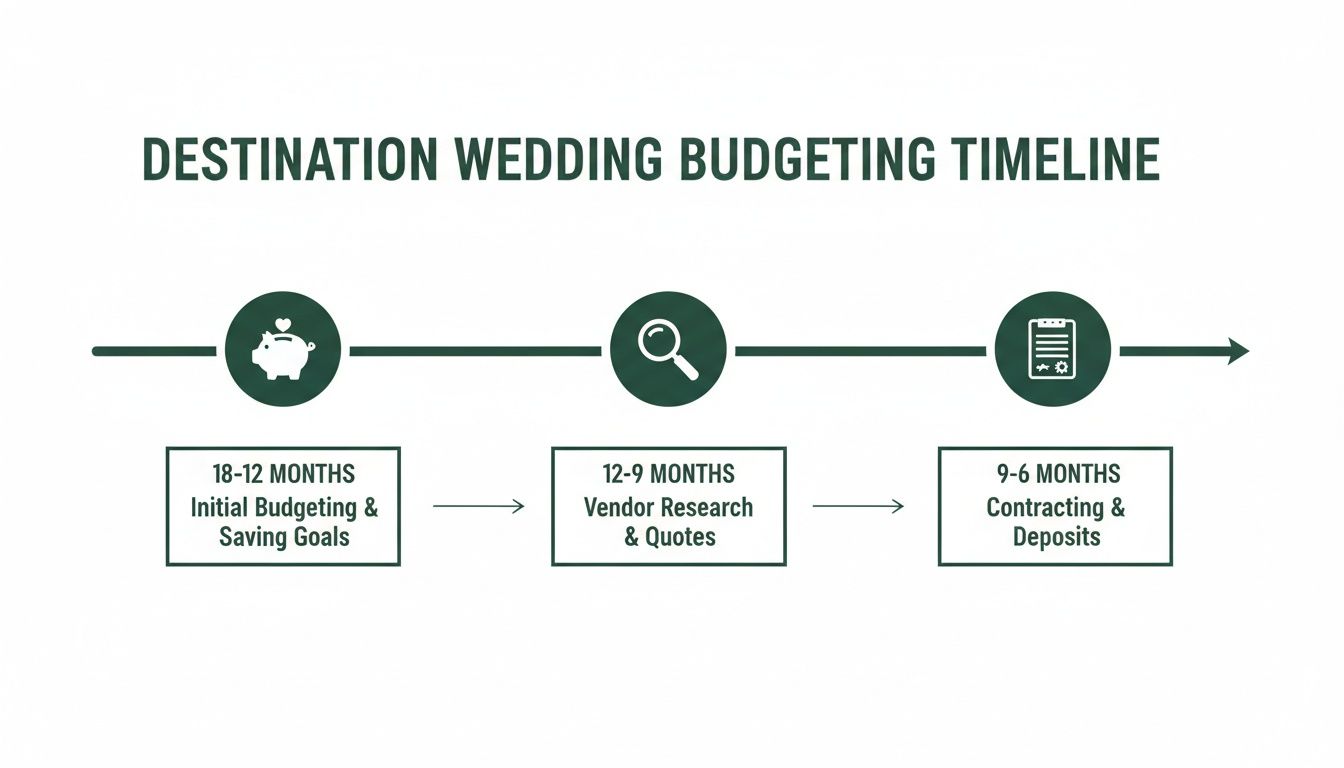
This infographic breaks down the key financial milestones you'll be hitting.
As you can see, your financial focus moves from broad budgeting to active vendor research, and finally, to securing your team with contracts and deposits.
Your checklist for this period involves some key outreach and a bit of legal groundwork.
Hire Priority Vendors: Start with the people who can only be in one place at one time. This means your photographer, videographer, and wedding planner should be at the very top of your list. The best storytellers are in high demand and get booked up fast.
Launch Your Wedding Website: This will become the central hub of information for your guests. Make sure it has details about the destination, travel tips, hotel block information, and a tentative schedule of events.
Send Save-the-Dates: For a destination wedding, giving your guests 9-12 months' notice is standard practice and just plain good manners. It gives everyone plenty of time to request days off work, budget for the trip, and snag good deals on flights.
Research Local Marriage Laws: This is a crucial, often overlooked step. Every country has different legal requirements, from residency periods to specific documentation. Start figuring out what you’ll need now, whether that’s translated birth certificates or a mandatory waiting period upon arrival.
Tackling these foundational tasks early sets a calm, organized tone for the entire planning journey. It prevents that last-minute scramble and ensures your guests feel informed and excited, letting you actually enjoy the process instead of feeling rushed by it.
Creating an Unforgettable Guest Experience
A destination wedding isn't just a ceremony; it's a mini-vacation for your favorite people. Once you shift your thinking from "planning a party" to "hosting an experience," everything about guest management falls into place.
This is the part of the journey where you become a trusted travel guide for your friends and family. Kicking off around the 9-month mark, this phase is all about clear, consistent, and warm communication. Your guests are investing their time and money to be there, and making the journey easy and exciting for them is the best way to say thank you.
It’s about managing their expectations while building pure, unadulterated excitement.
Your Wedding Website: The Central Hub
Forget the scattered emails, the frantic group texts, and the endless stream of DMs. Your wedding website is the single most important tool you have for managing your guests' experience. This is where you'll put every single piece of information they could possibly need, turning their potential travel anxiety into pure anticipation.
Think of it as a digital concierge for your wedding weekend. You’ll want to have it live right before you send out your save-the-dates, and it absolutely must include:
Travel & Accommodation Details: Give them the nearest airport, recommend flights, and spell out the ground transportation options. The real game-changer? Securing a room block at one or two hotels at different price points, with direct booking links right on the site.
A Detailed Schedule of Events: Don't just list the ceremony time. Post the welcome party, any group activities you've planned, and the post-wedding brunch. Knowing the full itinerary helps everyone plan their own downtime and travel.
A Killer FAQ Section: Get ahead of their questions. What's the dress code for each event? What will the weather be like? Do I need to rent a car? A thorough FAQ page will save you from answering the same five questions a hundred times.
This central hub is a sanity-saver. Instead of being the go-to person for every little query, you can just point everyone to one reliable source.
Talking Money and Managing Expectations
Let's be real: talking about money can feel awkward. But for a destination wedding, it's non-negotiable. Your guests need to understand the financial commitment upfront to decide if they can make it. Being totally transparent about what you’re covering versus what they’ll be responsible for isn't just helpful; it's respectful.
This clarity needs to start on your wedding website. A simple, friendly note can set the perfect tone.
Example Wording for Your Website: "Your presence is the only gift we need! We know we're asking a lot for you to travel, so please don't feel obligated to give us anything else. We'll be hosting the welcome dinner and the wedding reception. For other meals and activities, we've listed some of our favorite local spots for you to explore!"
This approach is polite, direct, and manages expectations from day one.
The average destination wedding has around 50-65 guests. With attendees spending an average of $1,400 on lodging alone, being upfront about costs is crucial. This is just one of many destination wedding statistics that shows how much your guests are investing to celebrate with you.
To help you stay on track, here's a simple checklist for your guest communications.
Guest Communication Timeline and Checklist
Timeline (Months Before Wedding)
Communication Task
Key Information to Include
8–9 Months
Send Save-the-Dates
Date, location (city/country), and link to the wedding website.
6–8 Months
Wedding Website Fully Live
All travel details, room block info, full itinerary, and FAQ section.
4–5 Months
Send Formal Invitations
Official invitation, RSVP instructions (online is best), link to website.
2 Months
RSVP Deadline Reminder
Send a friendly email reminder a week before the deadline.
1 Month
Pre-Travel Email
Final itinerary, packing tips, weather forecast, emergency contacts.
1 Week
"See You Soon!" Message
A short, excited message to build anticipation.
During Wedding Weekend
Welcome Bags/Notes
A small welcome gift with a printed itinerary and local treats.
This timeline ensures your guests feel informed and cared for every step of the way.
Curating a Memorable Itinerary
The best destination weddings feel less like a formal event and more like a shared adventure. Planning one or two group activities can transform the trip, creating inside jokes and lasting memories long before you even walk down the aisle. It's also the perfect way for guests from different parts of your lives to connect and become friends.
Think about a couple getting married in Costa Rica who knew their guests were the adventurous type.
Welcome Event: They hosted a casual beach bonfire and taco night. Low-pressure, fun, and it immediately set a relaxed tone.
Group Activity: The day before the wedding, they organized an optional zip-lining tour. About 70% of their guests went, and it became a massive bonding experience.
Thoughtful Downtime: They deliberately left one afternoon completely free, but they provided a curated list of recommendations for local spas, surf lessons, and cafes so guests had great options.
These planned events show you've thought about their entire trip, not just the few hours of the wedding itself. Finalizing who you're inviting is a key part of this, and our guide can help you manage your wedding guest list without the usual drama.
Navigating the Final Six Months to 'I Do'
The final six months before your destination wedding are when everything starts to feel incredibly real. All those abstract ideas and Pinterest boards begin transforming into solid, tangible details. This is the home stretch.
Think of it like this: the architectural blueprints are done, and now the interior designer is doing the final walkthrough. Your foundation is solid. It’s time to perfect the flow of the day, finesse the finishes, and make sure every single element is flawlessly in place. With a clear head, this can be the most rewarding part of the whole journey.
The 6-to-4 Month Countdown: Fine-Tuning Your Vision
This is the phase where you lock in the sensory details of your wedding, what your guests will taste, see, and hear. It’s all about finalizing contracts and making the key creative decisions that will define the entire atmosphere of your celebration.
You'll be working closely with your vendors to bring it all to life. For couples using a platform like ItsaYes, this is where a centralized dashboard becomes your best friend, keeping all your vendor chats, contracts, and payment reminders in one calm, organized space.
Your focus should be squarely on these critical tasks:
Finalize All Vendor Contracts: Go through every line item with your photographer, florist, caterer, and entertainment. Make sure arrival times, services, and final payment dates are crystal clear. No assumptions.
Arrange Menu and Cake Tastings: If you can swing it, plan one last trip to your destination for in-person tastings. If not, don't panic. Work with your caterer on remote options or lean on the trusted recommendations of your local planner.
Tackle the Legal Paperwork: Now is the time to apply for your marriage license. Get serious about researching the specific requirements for your destination, some places require documents to be translated or notarized. Do not leave this to the last minute.
Order Wedding Attire: You and your partner should have your attire ordered by now, making sure you leave a generous buffer for shipping and any necessary alterations.
This is the point where you shift from planner to curator. You're no longer just ticking boxes and booking vendors; you're collaborating with creative professionals to build a cohesive, beautiful experience. Trust the team you've assembled and enjoy the process.
The 3-to-1 Month Push: Logistics and Confirmations
With the big creative decisions locked in, your focus now pivots to logistics, guest communication, and final confirmations. This is when the wedding weekend schedule really takes its final shape, and clear communication becomes your most powerful tool.
This three-month window is also a great time to get hyper-organized. While a full destination wedding timeline can feel massive, you can borrow a ton of wisdom from more condensed plans. For example, our guide on planning a wedding in 6 months has a compact checklist that can help you prioritize these final, crucial tasks.
Here's your action plan for this critical period:
Send Formal Invitations: Get these in the mail three months before the wedding date. This gives your guests plenty of time to finalize their travel arrangements and gives you a timely RSVP count to work with.
Firm Up the Itinerary: Finalize the complete schedule for the entire wedding weekend, from the welcome cocktails to the farewell brunch. Post this detailed itinerary on your wedding website so guests can plan their own time accordingly.
Confirm All Bookings: Double-check your own flight details and accommodation reservations. It's also a good idea to send a gentle reminder to guests in your hotel block to book their rooms before the cutoff date passes.
Purchase Wedding Rings and Gifts: Don't let these important details slip through the cracks. Now is the time to select and purchase your wedding bands and pick out any gifts for your wedding party or parents.
The Final Weeks: The Last Details
The last month is all about re-confirming every single detail and getting packed and ready for your trip. Your goal is to arrive at your destination feeling relaxed, prepared, and ready to celebrate, not frantic about a list of last-minute to-dos.
This is the time for the fun stuff, like putting together welcome bags and finalizing seating charts. It's also the time for practical things, like contingency plans. What happens if it rains? Who is the on-site contact for vendor questions? Having these answers ready will let you be fully present when it matters most.
Your final pre-travel checklist should include:
Reconfirm with Every Vendor: One last call or email to every single vendor. Confirm arrival times, locations, and any outstanding details. Give them a copy of the day-of timeline and the name of an on-site contact person (like your planner or a trusted friend).
Pack Smart: Your wedding attire goes in your carry-on luggage. Period. Also, pack a small "emergency kit" with essentials like safety pins, fashion tape, blister pads, and pain relievers. You'll thank yourself later.
Prepare Welcome Bags: Assemble those thoughtful welcome bags for your guests. Include a printed itinerary, some local snacks, bottled water, and sunscreen.
Handle Final Payments: Make sure all vendors are paid in full according to their contracts. It’s also wise to prepare any cash tips you plan to give out on the wedding day in separate, labeled envelopes.
By breaking down these final six months into manageable stages, you can move toward your wedding with confidence and calm, knowing every detail is perfectly in place.
A Few Common Destination Wedding Questions
Planning a wedding in another country is going to bring up a lot of questions. It’s totally normal. Working through the unknowns, especially around costs and logistics, is how you build the confidence to pull this off.
Let's tackle two of the biggest questions I hear from couples the moment they decide to take their wedding on the road.
What do I need to plan for a destination wedding?
Beyond a venue and a guest list, the most crucial things you need for a destination wedding are a solid organizational system and a clear communication strategy. You're managing vendors in different time zones, tracking international payments, and guiding your guests through their travel plans. Juggling spreadsheets and scattered notes often leads to stress and mistakes.
You need a single, central place to keep everything straight. This is where a unified workspace becomes your lifeline. Instead of chaos, a system like ItsaYes is designed for newly engaged couples who want to enjoy the process and feel confident. It helps you turn your initial inspiration into a fully structured plan, breaking down the entire journey into simple steps so you always know what to focus on next.
How much money do you need for a destination wedding?
This is the million-dollar question, isn't it? The honest answer is: it varies wildly, but for most couples, a destination wedding lands somewhere between $20,000 and $50,000. An all-inclusive resort in Mexico will have a completely different price tag than a private villa in Tuscany. Your location, guest count, and personal style are the biggest cost drivers.
But no matter where you get married, the core budgeting principles are the same. You have to account for every single category, not just the fun ones:
Venue & Catering: This is the big one, usually eating up 45-50% of your total budget.
Your Travel & Accommodations: Don't forget to budget for your own flights and stay. It's a real cost.
Vendor Travel Fees: Your photographer, DJ, and florist will likely have their own travel costs baked into their packages. Always ask for an "all-in" price.
Contingency Fund: This is non-negotiable. Set aside at least 5-10% for the things you can't predict, like a sudden jump in currency exchange rates or last-minute shipping fees for your dress.
A real-time view of your spending isn't a nice-to-have; it's an absolute necessity. A dedicated budget tool is the only way to feel truly in control of your finances, from the first deposit to the very last payment.
Ready to turn that wedding vision into a calm, organized plan? ItsaYes is an AI-powered system that brings your vision, tasks, and budget into one intuitive workspace. Start planning with clarity and confidence at https://itsayes.io.