That magical moment you say ‘yes’ is quickly followed by a tidal wave of questions. Where do we start? What's our budget? Rustic or modern? DJ or band? The key to how to stay organized isn't about answering every question at once. Instead of juggling spreadsheets, Pinterest boards, and scattered notes, it’s about bringing your vision, tasks, budget, and timeline into one calm, intuitive workspace.
This is how you turn a daunting list of possibilities into a clear, manageable plan you can actually feel good about.
Translating Your Vision into a Manageable Plan
Right now, you’re probably juggling Pinterest boards, a few random spreadsheets, screenshots on your phone, and a whole lot of well-meaning (but conflicting) advice. A beautiful vision for your wedding is the perfect start, but without a system, it can quickly become a source of anxiety instead of excitement.
The goal is to build a reliable blueprint. A single source of truth that holds all your ideas, tasks, and budget details in one place.
This guide is designed to help you get there—to trade that initial chaos for clarity and replace the overwhelm with the confidence you need to actually enjoy your engagement.
From Inspiration to Action
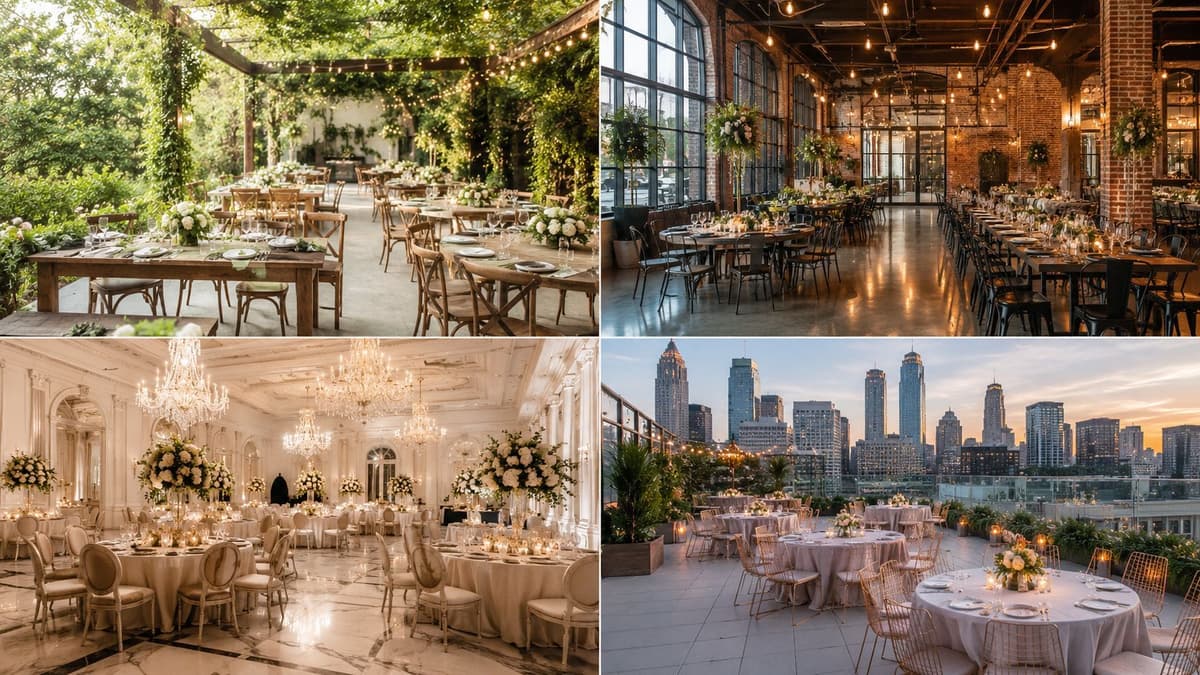
The very first step in getting organized is to wrangle all your inspiration into one spot. You begin by defining your style and ideas. This is where you can finally see how your color palette, venue style, and floral arrangements actually fit together.
The most effective way to avoid planning burnout is to create a system that does the heavy lifting for you. A clear, centralized plan lets you focus on making creative decisions instead of managing chaotic logistics.
This is exactly why tools like ItsaYes were built—to help couples define their style and consolidate their ideas from day one. Inside the platform, the integrated wedding design studio is where you can pull all that inspiration together and transform it into a concrete visual and logistical plan. By bringing everything under one roof, you create a solid foundation for every single decision that comes next.
This initial consolidation phase is so critical because it:
Prevents information overload by keeping all your ideas in one intuitive hub.
Creates clarity around your core wedding style and what truly matters to you.
Builds a solid foundation for creating a realistic timeline and budget.
Ultimately, a well-organized plan starts by turning abstract ideas into tangible, actionable steps. This process breaks the next 6 to 12 months into simple, manageable steps, making sure you feel in control right from the start.
Laying the Foundation: Your Vision and Budget
Before you dive into checklists and vendor spreadsheets, you and your partner need to get on the same page. This is the foundational conversation—the one where you figure out what your wedding day is really about. Forget the endless scroll for a minute. This is about defining your style, your non-negotiables, and, most importantly, your budget.
Your first chat shouldn't be about napkin colors. It should be about the feeling. Are you picturing a cozy, intimate dinner party with your closest circle? Or is it a vibrant, high-energy dance party that lasts all night? Nailing down these big-picture questions first makes all the tiny decisions that follow so much easier.
Grounding Your Vision in Reality
A dream wedding is a beautiful thing, but a dream without a budget is a recipe for stress. Getting real about the numbers isn't meant to be restrictive; it's what empowers you to plan with confidence. To build a budget that actually works, you first need to understand where the money typically goes.
Let's look at the data. Recent industry reports show that the average wedding costs around $32,899, with a huge chunk of couples (18%) landing in the $30,000 to $50,000 range. The average cost per guest hovers around $284, which is a super helpful number for seeing how quickly a guest list can impact your bottom line.
Most couples hire an average of 14 different vendors. Fourteen! Juggling that many contracts, invoices, and payment schedules is where organization often breaks down.
Figuring Out What Matters Most to You
Once you have a realistic budget in mind, it's time to prioritize. This is where you and your partner sit down and decide what you’re willing to splurge on and where you can save. If having an incredible, once-in-a-lifetime photographer is your top priority, you might allocate a larger slice of the budget there and find a more affordable option for, say, wedding favors.
This is way easier when you have a central place to manage it all. Instead of fighting with a clunky spreadsheet, using a dedicated wedding budget app lets you assign funds to different categories and see exactly where every dollar is going in real-time. It turns a guessing game into a clear financial plan.
A well-defined budget isn't a restriction; it's a guide. It empowers you to make confident decisions that honor both your wedding vision and your financial well-being, ensuring every choice moves you closer to your goal.
This financial framework becomes the backbone for every single decision you'll make from here on out. To give you a better idea of how it all breaks down, here's a look at how a typical wedding budget is allocated.
Sample Wedding Budget Allocation
This table shows a common percentage breakdown for a wedding. Use it as a starting point to see how your own priorities might shift these numbers.
Category
Percentage of Budget
Example Cost (on $33,000 Budget)
Venue & Catering
45-50%
$14,850 - $16,500
Photography & Videography
10-12%
$3,300 - $3,960
Attire & Beauty
8-10%
$2,640 - $3,300
Entertainment (DJ/Band)
8-10%
$2,640 - $3,300
Flowers & Decor
8-10%
$2,640 - $3,300
Rings, Invites & Gifts
5-7%
$1,650 - $2,310
Remember, these are just averages. If you're foodies, your venue and catering percentage might be higher. If you're minimalists, your decor budget might be lower. The goal is to make it work for you.
With a clear vision and a budget that reflects what you truly care about, you've built the essential foundation for a calm, structured, and genuinely enjoyable planning experience.
Building Your Master Wedding Timeline
Let’s talk about the backbone of your entire plan: your timeline. Think of it as the strategic roadmap that turns a massive, intimidating project into a series of calm, logical phases. Without a timeline, you’re just guessing what to do next. With one, you always know exactly what to focus on, ensuring you never miss a critical deadline.
The real secret to how to stay organized is breaking the next 6 to 12 months into smaller, more manageable milestones. The platform then helps you turn inspiration into a clear plan — breaking the next 6 to 12 months into simple, manageable steps. This prevents that last-minute scramble so you can actually breathe, knowing you’re on track.
Creating Your 6 to 12 Month Roadmap
The length of your engagement really sets the pace for planning. It turns out that 50% of couples are engaged for 12 to 18 months, which is a great timeframe to lock in your top-choice vendors without feeling rushed. It makes sense when you consider that December is the most popular month to get engaged—meaning tons of couples kick off their planning during the busy holiday season. In a typical timeline, this means big decisions like the venue, photographer, and caterer should be booked within the first three or four months.
Of course, modern wedding planning demands flexibility. A staggering 85% of couples say inflation has impacted their plans, forcing them to tweak budgets or trim guest lists. This is exactly why a dynamic, well-organized timeline is so crucial—it gives you the freedom to pivot without derailing your entire vision.
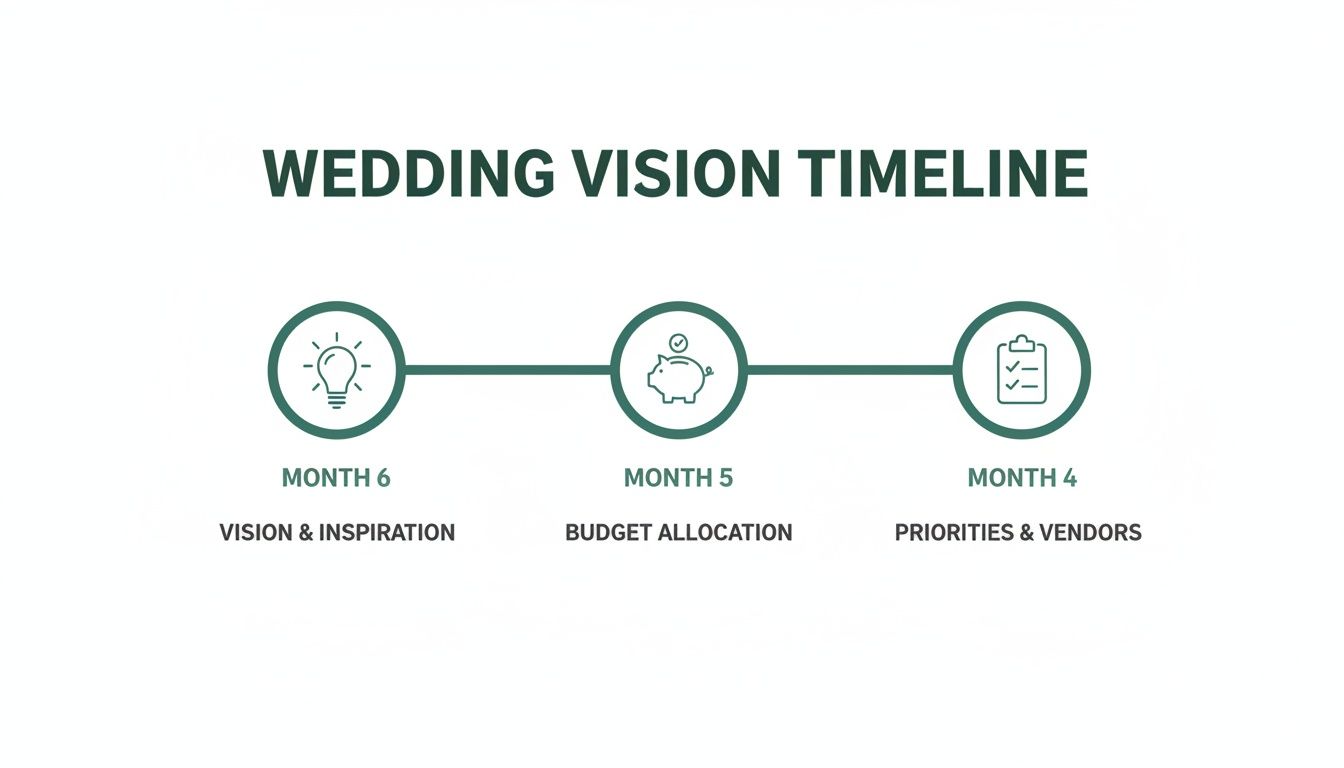
This infographic breaks down how to structure that critical first phase of your planning timeline.
You can see how defining your vision, budget, and priorities early on creates a stable foundation for everything that comes after.
Setting Key Milestones for Success
Once you have that high-level overview, it’s time to plot the major milestones. Think of these as the big rocks you need to place in your jar first; all the smaller tasks will fit in around them.
A typical milestone-driven timeline might look something like this:
10–12 Months Out: Finalize your budget and guest list, book your venue, and hire a wedding planner if you’re using one.
8–10 Months Out: Book high-demand vendors like your photographer, videographer, caterer, and band or DJ. These folks book up fast!
6–8 Months Out: Time to order wedding attire, send out those save-the-dates, and get your wedding website live.
4–6 Months Out: Lock in your florals, decor, and transportation. This is also when you’ll want to schedule cake tastings and book your baker.
This structure provides a clear path forward, but let's be honest—manually building and updating it can be a chore. This is where a platform like ItsaYes can be a game-changer. It takes your wedding date and generates a personalized, intelligent timeline just for you, breaking every single task into simple, manageable steps. Your personal AI assistant is available 24/7 to suggest priorities, organize tasks, and keep everything moving forward without overwhelm. For more help with day-of scheduling, you can check out a dedicated wedding day timeline generator to see how detailed planning can prevent last-minute stress.
A great timeline isn’t just a checklist; it’s a living document. It should be flexible enough to accommodate unexpected vendor delays or budget shifts while keeping your core plan intact and moving forward.
Creating a Central Hub for All Your Plans
One of the biggest reasons wedding planning feels so chaotic is information overload. You start with a Pinterest board for ideas, then a Google Sheet for the budget, a separate document for the guest list, and a dozen different email threads with vendors. Sound familiar?
While each of these tools is fine on its own, this scattered approach is a recipe for stress. You waste hours trying to connect the dots, details get missed, and costly mistakes happen.
The real game-changer is creating a single, central hub—one intuitive workspace where every single piece of your wedding plan lives together. ItsaYes is an AI-powered wedding planning system designed for couples who want clarity from the very start. It’s about building a coherent system where your vision, timeline, and budget actually talk to each other.
From Scattered Notes to a Single Source of Truth
Let's be real: planning a wedding without professional help is a massive organizational lift. The wedding planning industry in the U.S. is a $1.5 billion business for a reason, yet only 37% of couples actually hire a planner.
The rest are left to figure it out on their own, usually with a patchwork of apps and websites. Research shows just how fragmented this gets: 74% of couples use wedding websites, nearly 50% use TikTok for inspiration, and countless others rely on scattered documents. This setup means your inspiration lives on one platform, your vendor contacts on another, and your budget in a completely separate file. You can see more on the challenges DIY couples face in this breakdown of the wedding planner industry.
A central hub doesn’t just store information; it connects it. When your venue quote, floral inspiration, and budget all live in the same workspace, you can make smarter, faster decisions without toggling between a dozen different apps.
This integration is the secret to staying organized. Instead of trying to mentally connect the dots between your vision board and your spending, a unified system does that work for you.
A platform like ItsaYes, for example, is designed to be this calm, intuitive command center. It brings everything—from your earliest style ideas to your final vendor payments—into one seamless flow.
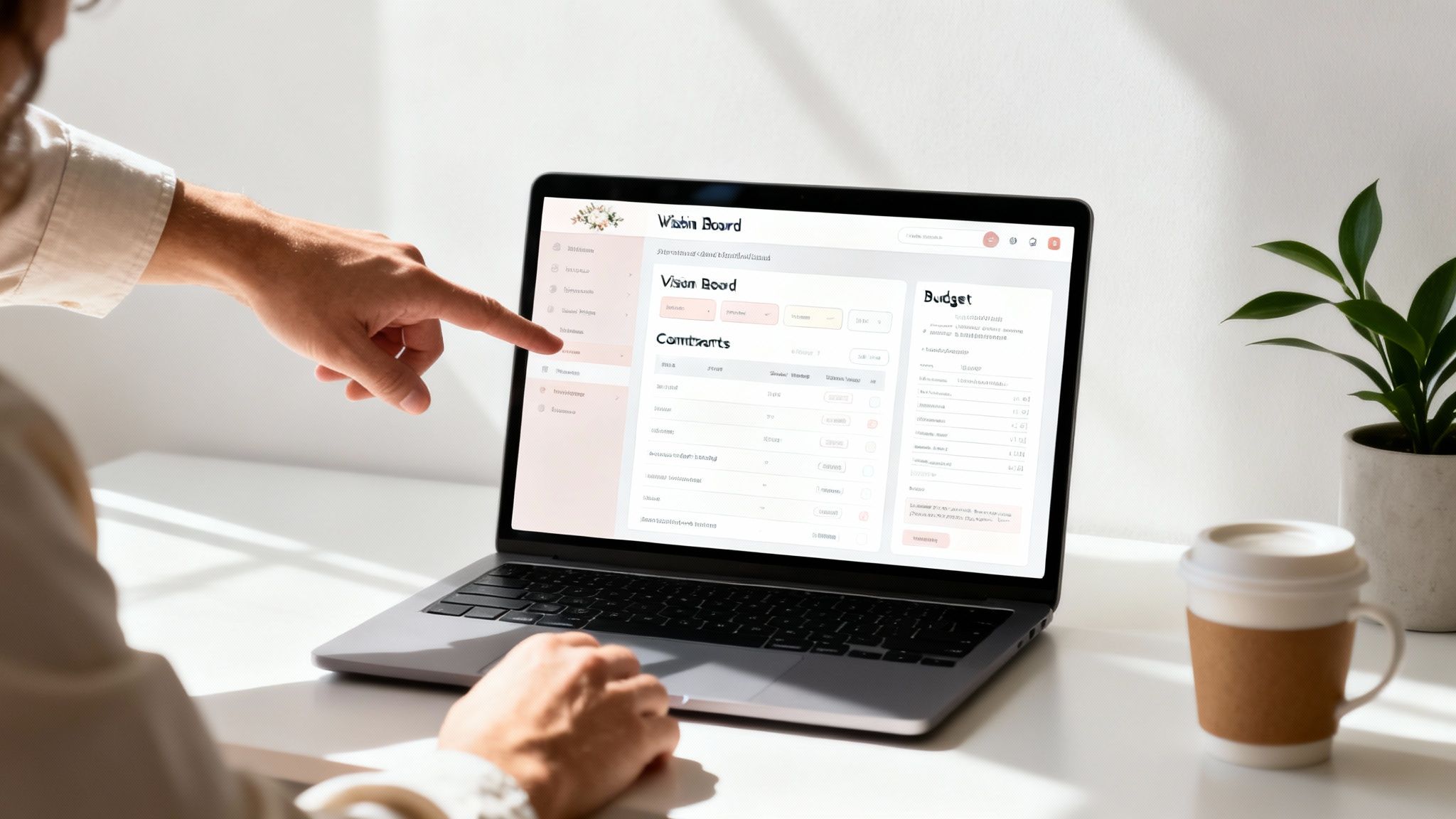
This is what it looks like in practice. A centralized dashboard brings your vision and budget into the same view, so you're no longer cross-referencing separate documents.
By seeing your visual inspiration right next to your financial plan, you can immediately tell if your ideas line up with your budget. It makes your planning proactive instead of reactive.
The Benefits of a Unified Workspace
When you consolidate your planning tools into a single hub, the practical advantages are immediate. The mental clutter disappears, and the risk of error drops significantly. A truly organized system lets you:
Integrate Your Vision Board: Connect your Pinterest or Canva inspiration directly to your plan, turning abstract ideas into actionable tasks.
Track Vendor Communications: Keep all contracts, emails, and notes for each vendor in one dedicated spot. No more frantic searches for a crucial detail.
Manage Payments and Deadlines: Link your budget directly to payment reminders and contract due dates so you never risk missing a payment.
Ultimately, this approach helps you move away from just juggling apps and into a state of calm control. With everything in one place, you can finally focus on the fun parts of planning, confident that all the logistical details are securely organized and right where you need them.
Using Smart Systems to Avoid Burnout
Let’s be honest: wedding planning can feel like a second full-time job. Staying organized isn't just about having the right tools; it’s about building sustainable habits that keep you from hitting a wall of exhaustion.
The goal is to create a system that actually supports you, automates the tedious stuff, and frees up your mental energy for the decisions that really matter—like whether you actually need a donut wall. (The answer is always yes.)
This means moving beyond a simple to-do list and into a more intentional workflow. When you have a clear system, you can handle those inevitable curveballs with calm confidence instead of last-minute panic. The right approach turns the whole process into something you can actually enjoy.
Adopt Proactive Organizational Habits
To avoid feeling like you’re constantly putting out fires, you need to be proactive, not reactive. This is all about setting up recurring systems that keep you on track and prevent that dreaded task pile-up. Two of the most effective strategies I've seen are scheduling weekly planning dates and batching similar tasks together.
A weekly planning date is a dedicated time—even just an hour over coffee—for you and your partner to review progress, tackle upcoming decisions, and just reconnect on your vision. This simple ritual turns planning into a collaborative act rather than a solo burden.
Task batching is another game-changer. Instead of answering one vendor email here and making one phone call there, you group similar activities together. For instance, set aside a specific block of time to:
Research and contact all your potential florists in one go.
Review and compare multiple catering proposals back-to-back.
Draft and send all your vendor inquiry emails at once.
This approach minimizes context switching, which is a massive drain on your mental energy. Every time you shift from one type of task to another, your brain has to recalibrate, wasting precious focus. Batching keeps you in the same mental "zone," making you way more efficient.
Leverage an AI Assistant for Smarter Prioritization
Even with great habits, it can be tough to know what to focus on next. With dozens of vendors to manage and what feels like hundreds of tasks, prioritization is everything. This is where a smart assistant becomes your secret weapon, helping you see the forest for the trees.
The greatest productivity hack isn't doing more; it's consistently doing what matters most. An intelligent system helps you identify and execute the tasks that will move your planning forward, cutting through the noise of a never-ending to-do list.
Think of an AI-powered assistant, like the one built into ItsaYes, as your 24/7 organizational guide. Instead of you having to figure out the next logical step, your personal AI assistant is available 24/7 to suggest priorities, organize tasks, and keep everything moving forward without overwhelm. It can:
Suggest priorities based on your timeline, making sure you’re tackling the most urgent tasks first.
Organize your to-do list into clear, manageable steps so you always know what’s next.
Send reminders for important deadlines, like when a contract needs to be signed or a payment is due.
Imagine getting a friendly nudge that says, "It's time to book your transportation. Here are the top-rated vendors in your area." This kind of guidance removes the guesswork and keeps you moving forward without the overwhelm. It transforms your planning from a series of stressful decisions into a calm, structured, and even enjoyable journey.
Let’s be honest: the secret to staying organized while planning your wedding isn't about having a perfectly pristine checklist from day one. It's about building a calm, reliable system that actually supports you through the chaos. A stress-free engagement? It's entirely possible, but only when you have a clear framework guiding your decisions.
Real, lasting organization isn't complicated. It’s built on a few simple, powerful steps that start with you and your partner defining what this celebration is really about, grounding that vision in a budget that makes sense for you. From there, you can build out a master timeline that breaks the entire monster of a project into manageable phases.
The final piece of the puzzle is bringing everything together. All those scattered Pinterest boards, random spreadsheets, and notes jotted down in your phone? They need a central hub. This single workspace is what transforms the overwhelming mess into a clear, actionable plan, making every step feel intentional instead of frantic.
With the right framework in place, you can move through every decision with confidence and focus on what truly matters: celebrating your relationship and actually enjoying this once-in-a-lifetime experience.
ItsaYes is built for newly engaged couples who want to enjoy the process, stay organized, and feel confident — from first inspiration to a fully structured plan. It's dedicated to turning your vision into a reality, ensuring you feel in control from that first spark of inspiration right up to your final "I do."
A Few Common Questions, Answered
How Far in Advance Should We Really Start Planning?
Most couples hit the sweet spot with a 12 to 18-month planning window. This isn't an arbitrary number—it gives you just enough breathing room to research and book the vendors who get snapped up first (think venues and photographers) without feeling like you’re in a mad dash from day one.
Starting early is less about having more time to work and more about having more time to not work. It lets you break the entire monumental task into small, sane, manageable pieces, which is the secret to avoiding that last-minute panic.
What's the Best Way to Keep Track of Our Wedding Budget?
Look, a basic spreadsheet can get the ball rolling, but you'll outgrow it fast. For a real-time, no-surprises view of your finances, a dedicated platform like ItsaYes is a game-changer.
Instead of just listing expenses, you can set your total budget, assign funds to categories like "catering" or "attire," and track every single dollar as it's spent. It’s a single, clear financial picture that helps you see exactly where the money is going, preventing those accidental "oops, we overspent" moments.
How Can We Plan This Thing Together Without Losing Our Minds?
The secret to avoiding burnout is making sure planning is a team sport, not a solo mission. Start by creating a shared vision board and hammering out your top three non-negotiables as a couple. This gets you on the same page from the get-go.
From there, using a collaborative platform where you can both toss in ideas, see the timeline, and manage tasks is non-negotiable.
The most effective way to plan as a team is to establish a single source of truth. A shared, organized workspace becomes the neutral ground where your ideas can merge, ensuring you’re both looking at the same map from the very beginning.
Schedule quick, regular check-ins—maybe 20 minutes every Sunday evening—to make decisions together. This simple habit transforms planning from a dreaded chore into a shared project you're building together.
Ready to trade scattered notes and overwhelming spreadsheets for a calm, intuitive workspace? ItsaYes brings your vision, budget, and timeline together, with a personal AI assistant to guide you every step of the way. Start your stress-free planning journey at https://itsayes.io.