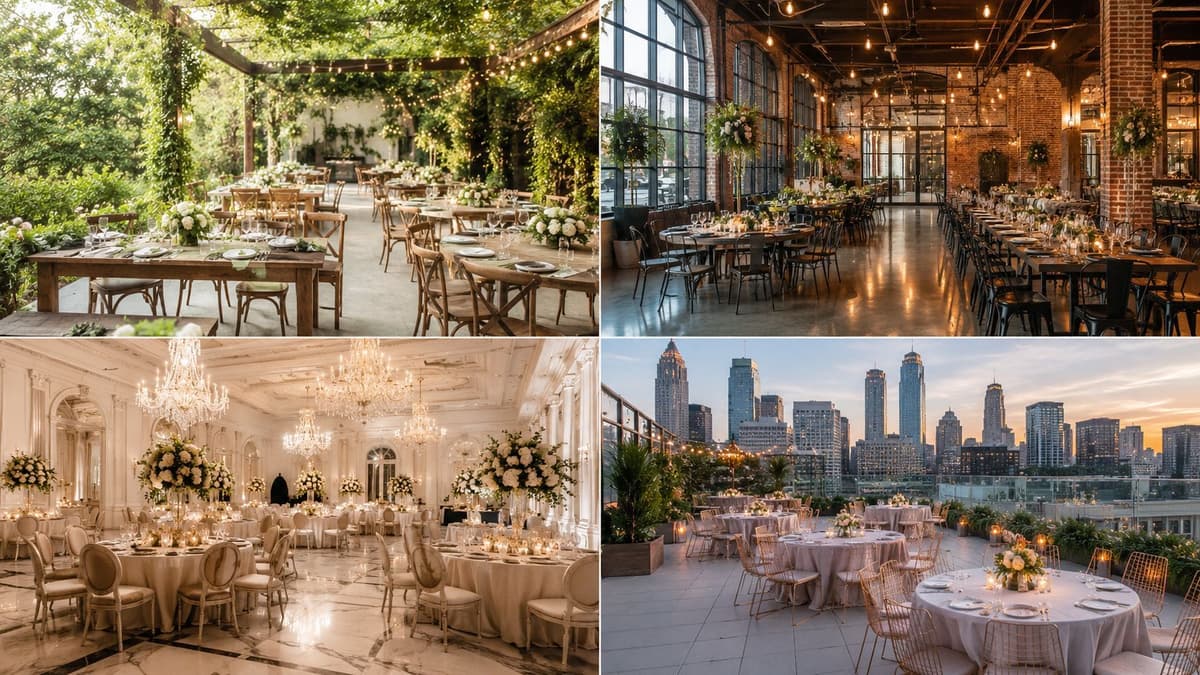
Before you even think about tasting menus or scouting restaurant patios, let's talk about the big picture. Getting your rehearsal dinner right comes down to three things: its purpose, the people you invite, and what you’re willing to spend. Nail these down first, and you’ll trade scattered ideas for a solid, stress-free plan that perfectly kicks off your wedding weekend.
Defining Your Rehearsal Dinner Vision
So, what is this event, really? Is it the formal opening act for the wedding weekend, or is it just a relaxed thank-you dinner for your crew? That one decision will steer every other choice you make, from the venue to the vibe.
This is the moment you move from a chaotic Pinterest board to a clear, actionable plan. It’s where having a smart system makes all the difference. An AI-powered wedding planner like ItsaYes is built for exactly this. You begin by defining your style and ideas, and the platform helps turn that inspiration into a clear plan, breaking the next 6 to 12 months into simple, manageable steps.
Establish Your Goals and Guest List
First things first: decide the main point of the party. This single choice dictates who gets an invite, which in turn sets your budget and venue options.
An Intimate Thank-You Dinner: This is the classic approach. You host a smaller, more formal dinner to thank your immediate families and the wedding party for their love and support. The tight guest list keeps the focus on heartfelt connection.
A Lively Welcome Party: This modern take opens the doors to all out-of-town guests. It's a fantastic way to break the ice and let everyone mingle before the main event, often taking the shape of a casual backyard barbecue or a chic cocktail hour.
The real purpose of your rehearsal dinner is to thank the people who got you here and to give your inner circles a chance to connect. Whether you’re hosting a formal dinner for 20 or a casual bash for 70, knowing your goal is your best defense against planning stress.
Set a Realistic Budget and Timeline
With a clear vision, you can build a budget that actually reflects what matters to you. Planning a rehearsal dinner has changed, and couples are getting savvier about where their money goes. For instance, even though recent studies show 85% of couples are feeling economic pressure, a surprising 77% of those who adjusted their budgets ended up spending more on high-value experiences.
This just proves how important it is to make every dollar count. A solid timeline is equally crucial.
The sweet spot for booking your venue and key vendors is 6 to 9 months out. This gives you plenty of breathing room to get your first-choice options locked in, avoiding the last-minute scramble. Starting early is the secret to actually enjoying the process, from your first moments of wedding inspiration to the final toast.
Budgeting and Booking Your Perfect Venue
Okay, you know who’s coming and the vibe you’re going for. Now comes the part that can feel a little intimidating: figuring out the budget and locking in the perfect place. Let's be real, tackling the rehearsal dinner budget can feel like a headache waiting to happen. But it doesn't have to be.
The secret is to stop thinking of it as one giant number and start breaking it down into smaller, manageable pieces. And please, for your own sanity, ditch the scattered spreadsheets and random notes.
Instead of juggling spreadsheets and scattered notes, ItsaYes brings your vision, tasks, and budget into one calm, intuitive workspace. Your personal AI assistant is available 24/7 to suggest priorities, organize tasks, and keep everything moving forward without overwhelm. You can see how a dedicated wedding budget app is designed to keep you in control, not drowning in numbers.
Building Your Rehearsal Dinner Budget
So, what's this actually going to cost? Your final number will really depend on your guest count, the city you're in, and how formal you want to go. As a general ballpark, you can expect to spend somewhere between $50 and $150 per person.
Here’s a realistic look at how that budget typically breaks down:
Food & Beverage (60-70%): This will be your biggest line item, hands down. It covers the meal, drinks (whether you’re hosting an open bar or just beer and wine), and any service fees or gratuity.
Venue Rental (15-20%): Some spots, like restaurants, might waive this fee if you hit a "food and beverage minimum." Other, more unique venues like a gallery or private loft will usually have a flat rental fee.
Decor & Ambiance (5-10%): Think florals, special lighting, linens, and any of those personal touches that make the space feel like you.
Miscellaneous (5-10%): This is your buffer. It’s for things like invitations, welcome gifts for your wedding party, vendor tips, and any other little costs that inevitably pop up.
Finding a Venue That Fits Your Vibe
Don't just default to the private room at a steakhouse (unless that's totally your thing!). Your rehearsal dinner venue is your chance to set a completely different tone from the wedding itself. A cozy, relaxed setting might be the perfect way to really connect with your closest people before the whirlwind of the big day.
Your rehearsal dinner is the opening act, not a repeat performance. Choosing a venue with a different feel from your wedding reception can make the entire weekend more dynamic and memorable for your guests.
Think outside the box for a minute. Some of my favorite events have happened in places like these:
A Local Brewery or Distillery: Instantly creates a fun, laid-back atmosphere. Plus, the entertainment is built-in.
An Art Gallery or Museum: This offers a sophisticated and visually stunning backdrop, perfect for a chic cocktail-style party.
A Cozy Backyard or Park: You can't beat the intimacy of a casual barbecue or a family-style meal under the stars. It’s often budget-friendly, too.
A Rented Vacation Home: If you have a lot of out-of-towners, this is brilliant. It pulls double duty as accommodations and a wonderfully personal event space.
Once you have a shortlist of potential venues, go in armed with questions. Make sure you ask about food and beverage minimums, if they have restrictions on which vendors you can use, what A/V gear they have (for speeches or a slideshow!), and exactly what the rental fee includes. Getting everything in a clear contract is the best way to make sure the space you book is the space you get, with no surprises.
Designing the Guest Experience
Okay, you’ve locked in the budget and booked the venue. Now for the part that’s actually fun: designing an experience that feels like you. This is your chance to move past the logistics and inject some real personality into the weekend, creating a warm, relaxed kickoff for your closest people.
The goal isn't to create a mini-version of your wedding reception. It's to set a completely different tone. This is the place for that wild, creative idea that didn't quite fit the big day. Instead of trying to wrangle a dozen different Pinterest boards and scattered notes, you can use a platform like ItsaYes to keep all your ideas for menus, decor, and personal touches organized and calm.
Rethinking the Rehearsal Dinner Menu
The food you serve does more than just feed your guests; it sets the entire vibe for the evening. While a traditional three-course seated dinner is always a classic, many couples are now choosing formats that get people talking and moving.
Here are a few alternatives we see working beautifully:
Family-Style Platters: This is my personal favorite. Big platters of food are passed around the table, and it instantly makes the whole room feel like one big, relaxed family dinner. It’s a natural conversation starter.
Interactive Food Stations: Think beyond a standard buffet. A "build-your-own" taco bar, a gourmet pasta station, or even a slider bar gets guests up and mingling. It gives them something to do and a fun, personalized meal.
Heavy Appetizers & Cocktails: If you want a more fluid, party-like atmosphere, you can skip the formal seated dinner entirely. A steady flow of substantial passed hors d'oeuvres lets guests mix and mingle all night long.
And please, be thoughtful about dietary needs. This means going beyond a sad plate of steamed broccoli. Work with your caterer to create a genuinely delicious plant-based entree, ensure your gluten-free options are more than just an afterthought, and maybe even offer a few sophisticated mocktails so everyone feels included in the toasts.
To help you visualize how your menu and guest experience goals influence your venue choice, this decision tree breaks it down.
As you can see, your budget and the vibe you're aiming for will naturally steer you toward either a traditional restaurant or a more unique alternative, each with its own perks for your event.
Setting the Mood with Decor and Details
Here’s a secret: your rehearsal dinner decor does not need to match your wedding. In fact, it can be more memorable if it doesn’t. This is your chance to lean into a fun theme that might feel too casual for the wedding day itself.
We’ve seen couples have a blast with a vibrant "Taco 'Bout Love" welcome party or a cozy, elegant "Italian Feast" that feels like a scene from a movie. As you map out the flow of the evening, think about how signage can guide your guests, especially if you're looking at different types of outdoor event signs to welcome everyone.
Your rehearsal dinner is the perfect occasion for a more intimate, high-touch gathering. It’s about creating a warm environment where your closest friends and family can connect before the main celebration.
This isn't just a hunch; it's a major trend. Event pros are seeing a big shift toward smaller, more intentional gatherings as couples get smarter with their budgets. While an average wedding might host 117 guests, bringing the rehearsal dinner down to 25-50 people can dramatically cut costs while making the whole experience feel more personal and impactful. You can see more insights about these emerging event industry trends on bizbash.com.
Managing Invitations and Guest Communication
Let’s talk about the single most important part of getting your rehearsal dinner right: clear communication. Once you’ve nailed down your guest list, it’s time to get the word out. This isn’t just about sending an invite; it’s about making sure your key people feel welcomed, informed, and genuinely excited to kick off the wedding weekend with you.
Figuring out the who, when, and how of invitations can feel a little tricky, but there’s a simple formula for getting it right. It all comes down to timeliness and clarity, ensuring there’s absolutely no confusion between the rehearsal dinner and the main event.
When to Send Rehearsal Dinner Invitations
Timing is everything. Send them too early, and your invite gets lost in the pre-wedding shuffle. Send them too late, and you risk your nearest and dearest making other plans.
The sweet spot is four to six weeks before the event. This gives everyone, especially your out-of-town guests, plenty of time to lock in their schedules without the invite arriving so early it gets forgotten.
Crucially, your rehearsal dinner invitations should always go out after your main wedding invitations. Sending them separately makes it crystal clear who is invited to which celebration, avoiding any potential awkwardness.
What Information to Include
Whether you’re going with beautiful paper invitations or a quick digital e-vite, the information your guests need is exactly the same. Your goal is to be so clear that nobody has to text you with last-minute questions.
Make sure every invitation clearly states:
The Purpose: Don't be vague. Call it what it is: "Please join us for a rehearsal dinner honoring..."
The Couple's Names: Make it clear who is being celebrated.
Date and Time: Give the full date, plus specific start and end times so guests can plan their evening.
Venue Name and Address: Include the full address. A note on parking is always a thoughtful touch.
Dress Code: A simple hint like "cocktail attire" or "dressy casual" is incredibly helpful and appreciated.
RSVP Details: Give a firm RSVP-by date and a clear method for how to respond (e.g., via email, text, or a link to your wedding website).
Remember, this event is fundamentally a "thank you" to your inner circle. It’s a heartfelt way to show your appreciation for the time, money, and effort your wedding party and closest family have invested in celebrating with you.
Tracking RSVPs Without the Stress
Keeping track of who’s coming shouldn't be another source of wedding stress. Trying to juggle replies from texts, emails, and random phone calls is a fast track to a disorganized mess. A centralized system here isn't just nice to have; it's a lifesaver.
Using a single, integrated platform like ItsaYes lets you manage all your guest communications in one calm, intuitive workspace. Instead of a mess of scattered notes, your personal AI assistant can help you effortlessly organize responses, track meal choices, and keep your final headcount perfectly updated. This turns a chaotic task into a simple, manageable step, freeing you up to focus on the joy of the celebration ahead.
Finalizing Your Timeline and Personal Touches
Okay, you’ve locked in the guest list and booked the venue. Now comes the fun part: focusing on the finer details that make the evening truly special. This is where you map out the flow of the night and weave in those personal touches your guests will actually remember.
Creating a "run-of-show," or a simple timeline, is the secret to a relaxed event. It’s not about being rigid; it’s about making sure the evening moves smoothly from cocktails to toasts without any awkward lulls or rushed moments. It’s also your chance to layer in the things that make the night uniquely yours, from heartfelt speeches to thoughtful gifts.
Building Your Rehearsal Dinner Timeline
A timeline doesn’t have to be a complicated spreadsheet. Think of it as a simple guide to keep you, your family, and your vendors all on the same page. The easiest way to start is to work backward from the time you want the dinner to end, building in buffers for things like travel and transitions.
Here’s a realistic example of how the evening could flow:
4:45 PM: Wedding party and immediate family arrive at the ceremony venue for the rehearsal.
5:00 PM – 6:00 PM: The officiant runs through the ceremony rehearsal (plan for one hour).
6:00 PM – 6:30 PM: Everyone travels to the rehearsal dinner location.
6:30 PM: Guests start arriving for welcome drinks and mingling.
7:15 PM: Guests are invited to take their seats for dinner.
7:30 PM: The hosts give a welcome speech as dinner service begins.
8:15 PM: Time for toasts from the Best Man, Maid of Honor, and parents.
9:30 PM: The couple gives a final thank-you toast as dessert is served.
Of course, this is just a starting point. Your schedule will be unique to your day. If you want a hand building a custom schedule, you can use a wedding day timeline generator to quickly map everything out.
Weaving In Speeches and Personal Touches
Speeches are the heart of the rehearsal dinner. The more intimate setting is perfect for sharing heartfelt words that might feel too personal for the big wedding reception.
Typically, the hosts (often the groom's parents) will kick things off with a welcome toast. The Best Man and Maid of Honor usually give their main speeches here, followed by any other parents who want to say a few words. The night traditionally closes with the couple giving a toast to thank everyone for being there.
This is also the perfect, relaxed moment to present your wedding party with their gifts. Giving out special jewelry gifts for bridesmaids or other tokens of appreciation adds a really meaningful beat to the evening. Other simple ideas that have a big impact include a short photo slideshow playing in the background or small welcome bags for your out-of-town guests.
Think of the logistics as the skeleton of your event, but the personal touches are its heart. Those thoughtful details are what create the warm, celebratory atmosphere you’re truly aiming for.
As you juggle these final details, don't be afraid to lean on modern tools. The use of AI in wedding planning has nearly doubled to 36% for couples getting married in 2026, according to a recent study from The Knot. For newly engaged couples who want to enjoy the process and feel confident, tools like ItsaYes are designed to consolidate everything into one intuitive workspace, turning all your scattered ideas and lists into one calm, structured plan.
Your Top Rehearsal Dinner Questions, Answered
Even after you’ve locked in the major wedding details, a few last-minute questions always seem to pop up around the rehearsal dinner. You’ve got the vision, you’ve got the plan, but these tricky little details can cause a surprising amount of stress.
Instead of letting them spiral, let's get them answered now. I’ve seen these questions come up with hundreds of couples, and the answers are simpler than you think.
Who Traditionally Pays for the Rehearsal Dinner?
Let's just get the old-school tradition out of the way: the groom's parents used to host and pay for the rehearsal dinner. But in today's world? That's definitely not the default expectation anymore.
It’s far more common now for couples to cover the cost themselves as part of their main wedding budget. Other times, both sets of parents might offer to chip in, or one family generously volunteers to host the whole thing. The only "rule" is to have a clear, kind conversation about it early on. This avoids any awkward assumptions and ensures everyone is on the same page.
The question isn't just about who pays, it’s about who hosts. The host is the one setting the tone, sending the invites, and making the first welcome toast. Make sure you clarify both roles to keep things running smoothly.
How Far in Advance Should I Book Everything?
This timeline really comes down to your vision. If you’re dreaming of that popular new restaurant, a specific private room with a view, or you're getting married during peak season (think late spring through early fall), you need to act fast. Aim to book your venue six to nine months in advance. This locks in your spot and often your pricing before any yearly increases.
But if you're planning something more casual, a backyard barbecue or a buyout of a local pizza joint, you’ve got more wiggle room. Even so, starting your research around the nine-month mark is a smart move that keeps things from feeling frantic later. This is exactly the kind of deadline an AI assistant, like the one in ItsaYes, can track for you so nothing slips through the cracks.
Does the Rehearsal Dinner Have to Be Formal?
Absolutely not! In fact, it’s often better if it isn’t. One of the best things you can do is create a relaxed vibe that feels completely different from the wedding itself. The goal is to let your closest friends and family connect and breathe before the main event.
More and more couples are getting creative and choosing formats that actually reflect who they are. Think about:
A lively backyard barbecue with lawn games.
A fun takeover of a local brewery or winery.
An easygoing pizza night or a catered taco party.
A welcome brunch held the morning of the rehearsal instead of a dinner.
Going with a laid-back style can make the whole weekend feel more dynamic and less like one long, formal affair. It gives everyone a chance to relax, mingle, and get excited for the big day.
Feeling overwhelmed juggling all these details? Instead of drowning in spreadsheets and scattered notes, bring your vision, tasks, and timeline into one calm workspace. ItsaYes is an AI-powered wedding planning system that turns your inspiration into a simple, manageable plan, so you can enjoy the process from start to finish. Get clarity from the very beginning at https://itsayes.io.