So, you’re engaged. Congratulations! Before you dive headfirst into tasting cakes and touring venues, there’s one big question you need to answer: how to choose a wedding date. This isn't just about picking a random Saturday on the calendar; it's the very first domino that sets your entire planning process in motion.
The secret? Don't start with the logistics. Start with the feeling. Before getting bogged down in the details, let's define your vision and figure out what truly matters to you both.
Defining Your Wedding Vision and Priorities
Before you even think about opening a calendar app, take a deep breath. Close your eyes. Picture your perfect wedding day. What does it look like? More importantly, what does it feel like? We're not talking about specific shades of blush or types of chairs just yet. This is all about the vibe, the atmosphere, the emotion of the day.
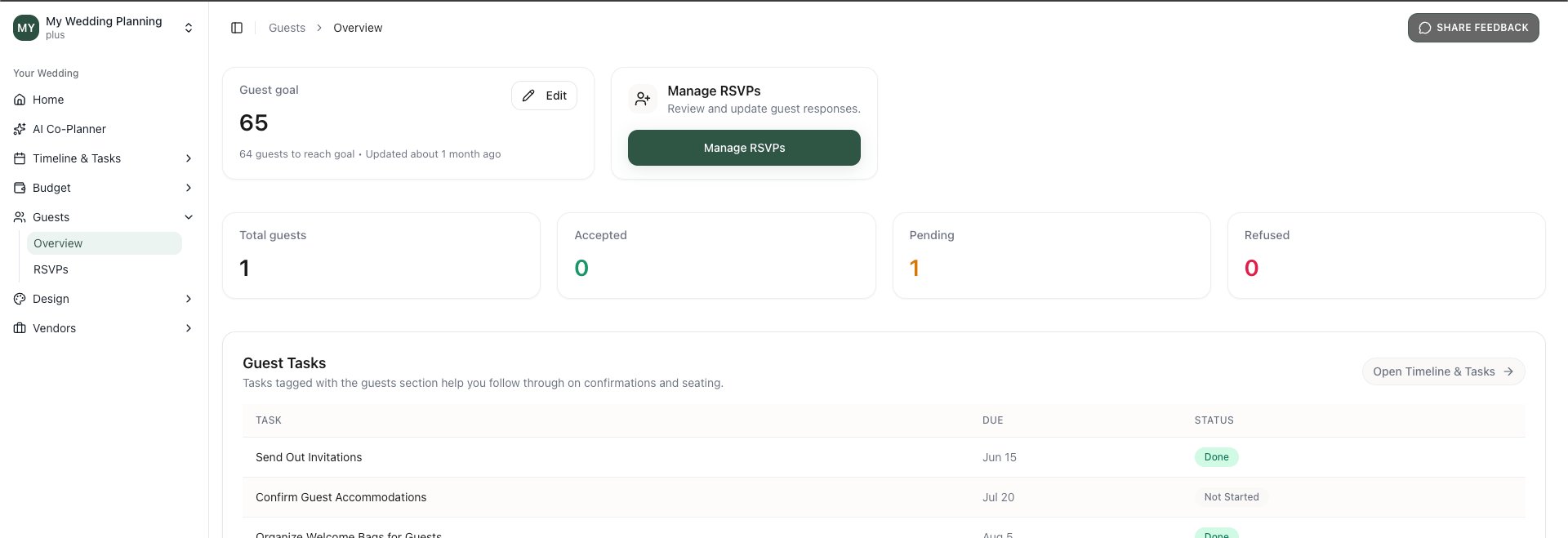
This vision-setting exercise is your best defense against planning overwhelm. Instead of juggling spreadsheets, Pinterest boards, and scattered notes, this first step brings your vision into one calm, intuitive workspace. It's how a platform like ItsaYes helps you turn inspiration into a clear plan, breaking the next 6 to 12 months into simple, manageable steps right from the start.
Start with the Feeling, Not the Date
Instead of asking, "When should we get married?" try asking questions that get to the heart of the experience you want to create for yourselves and your guests. The answers will naturally point you toward the right time of year.
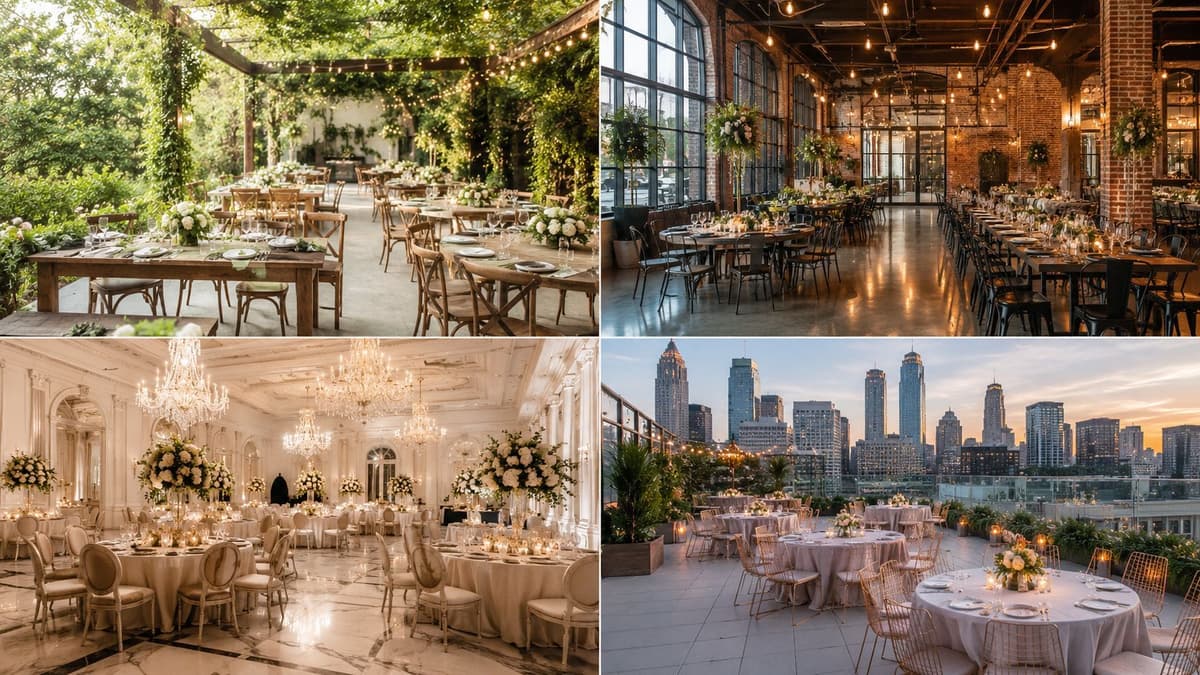
What’s the vibe? Are you dreaming of a sun-drenched outdoor party with lawn games and cocktails? Or maybe a cozy, intimate winter gathering with a roaring fireplace and candlelight? Or a vibrant celebration surrounded by the rich colors of fall?
How formal is it? Do you see a black-tie affair in a grand ballroom, or is it more of a relaxed, barefoot-on-the-beach kind of ceremony?
What’s the energy level? Is this an all-night dance party with a live band, or a sophisticated, romantic dinner with your closest friends and family?
Answering these questions acts as a powerful filter. A vision for a warm, outdoor ceremony immediately narrows your search to late spring or summer. That cozy, candlelit vibe? You’re probably looking at the cooler months.
Identify Your Non-Negotiables
Next up is one of the most important conversations you'll have during this whole process: aligning on your core priorities. Being brutally honest here will save you so much stress and potential conflict down the road. These priorities will be your anchor when you have to make tough decisions.
Your wedding date is the anchor for your entire planning timeline. Getting clear on your priorities first, whether it's budget, guest experience, or a specific aesthetic, makes the decision feel less overwhelming and more intentional.
So, what really, truly matters most? Common priorities often boil down to a few key things:
Budget: Is sticking to a specific number and finding cost-saving opportunities your absolute top goal?
Key Guests: Are there certain family members or friends from overseas whose presence is absolutely essential?
Dream Venue/Vendor: Is your heart set on a specific photographer or a venue that books up 18-24 months in advance?
Specific Aesthetic: Are you dreaming of photos with cherry blossoms, golden autumn leaves, or a magical snowy backdrop?
Once you've clarified your vision and ranked your non-negotiables, you have a solid foundation to build on. This initial work is critical and mirrors the first steps to planning a wedding: creating clarity before you dive into the details. With this framework in place, you’re ready to see how the seasons, your budget, and your schedule can come together to reveal your perfect date.
How Seasons and Popular Dates Shape Your Wedding
Once you have a sense of your wedding's vibe, it's time to see where that vision fits on the calendar. This isn't just about picking a day; your wedding date is a powerful decision that has a domino effect on everything from vendor availability and pricing to the entire atmosphere of your celebration.
Certain times of the year are simply in higher demand, and understanding this landscape is your secret weapon for a calm, organized planning journey. Think of it less like a stressful restriction and more like a strategic advantage. This knowledge lets you decide if you're going to dive into the competition for a popular date or cleverly pick a less crowded time for a more laid-back experience.
The New "Peak Season" Isn't When You Think
The old idea of a single "wedding season" centered around June is officially outdated. While summer is still lovely, a new champion has taken the crown, and it's brought the entire autumn season along with it.
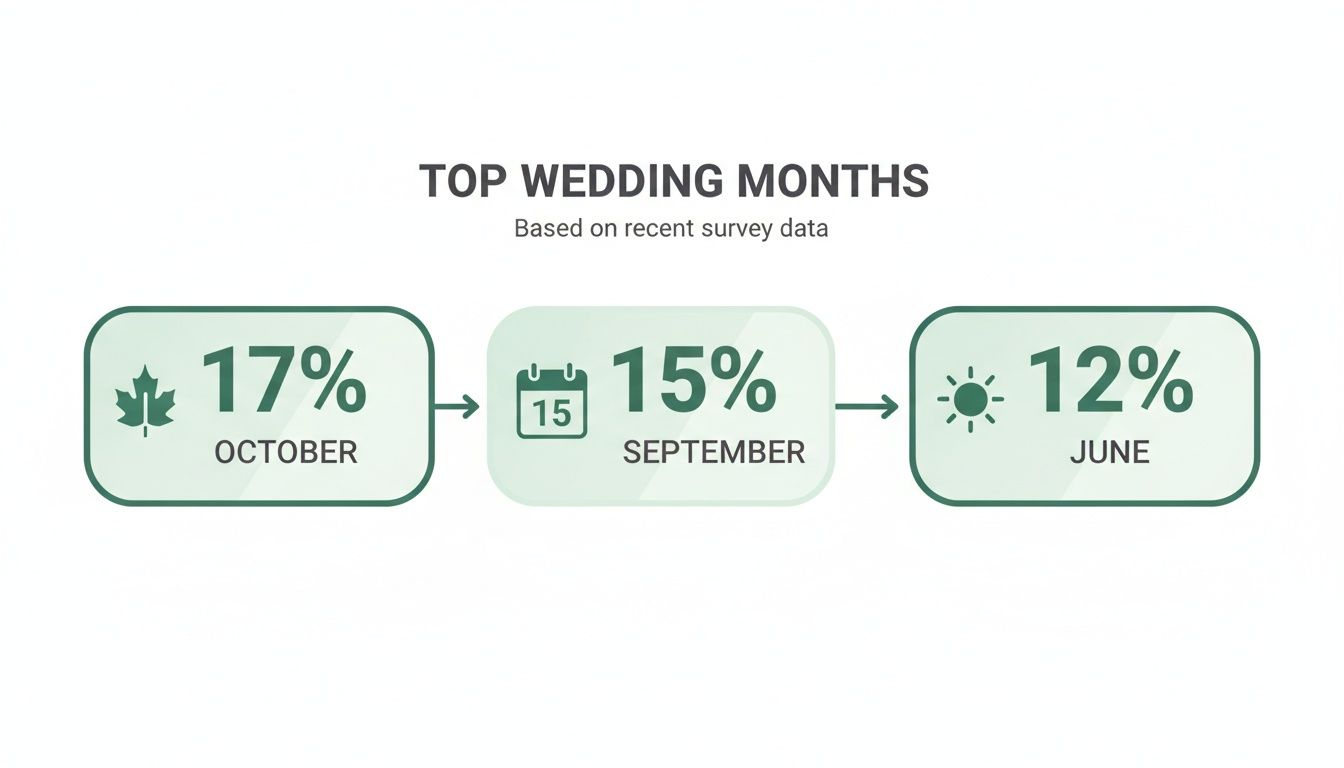
Recent data shows that October is now the undisputed king of wedding months, hosting a massive 17% of all weddings. The fall months, September, October, and November, now account for 41% of all ceremonies combined. Why the shift? It’s a perfect storm of milder weather, incredible natural backdrops for photos (hello, fall foliage), and a post-summer energy where guests are often refreshed and ready to celebrate. You can dive deeper into these global wedding trends and their impact.
Here's what that means for you: If your heart is set on a Saturday in October, you need to be ready to move fast. Venues and top-tier vendors often book out 18 months or more for these prime dates.
This is where a smart planning tool like ItsaYes becomes a true ally. It can anticipate these high-demand periods and automatically adjust your planning timeline. You'll get proactive reminders to lock in that dream photographer or venue well before the competition heats up, turning a potential scramble into a simple, organized task.
A Practical Look at Wedding Seasons
To really make an informed choice, it helps to think of the year in three distinct categories: peak season, shoulder season, and the off-season. Each has its own personality, with a unique set of pros and cons that will appeal to different couples with different priorities.
This table breaks down the essentials to help you see which timeframe best fits your vision and budget.
Season Type
Typical Months
Pros
Cons
Peak Season
May, June, September, October
Beautiful, predictable weather. Vibrant, lush scenery. Guests are in a celebratory mood.
Highest demand and prices. Limited vendor/venue availability. Need to book far in advance.
Shoulder Season
March, April, July, August, November
More availability than peak season. Potential for lower pricing. Unique seasonal beauty (e.g., spring blooms).
Weather can be less predictable (rain, heatwaves). Some travel holidays can overlap.
Off-Season
December, January, February
Lowest prices and greatest availability. More negotiating power with vendors. Cozy, unique, and intimate atmosphere.
Weather can be challenging. Fewer daylight hours for photos. Potential guest travel issues.
Ultimately, this breakdown isn't just about saving money; it’s about matching the season to the feeling you want to create. A buzzing, high-energy summer party has a completely different vibe than a quiet, magical winter wedding.
Navigating Holiday Weekends and Symbolic Dates
Beyond the broader seasons, specific dates carry their own weight. Holiday weekends, like Memorial Day or Labor Day, can seem like a great idea at first, they give guests an extra day to travel and recover. But that convenience often comes with hidden costs and complications.
Increased Travel Costs: Flights and hotels are almost always more expensive for your guests during holiday periods.
Vendor Surcharges: Don't be surprised if some vendors add a premium for working on a holiday.
Guest Conflicts: Many families have long-standing traditions for these weekends, and your wedding might feel more like an obligation than a celebration they can fully enjoy.
Then there are symbolic dates, your dating anniversary, a grandparent's birthday, or a numerically pleasing date like 8/8/28. These add a beautiful layer of personal meaning and make your anniversary unforgettable. Just remember, if your meaningful date happens to fall on a Saturday in peak season, you'll be facing the same competition and pricing as any other popular date.
In the end, understanding the calendar's natural rhythm gives you control. It allows you to anticipate challenges, find opportunities, and choose a date that perfectly balances your personal vision with practical reality. That’s the foundation for a confident and joyful planning process.
The Smart Advantages of an Off-Season Wedding
I see it all the time. Couples get engaged and immediately their hearts are set on a warm, golden-hour Saturday in October. And why not? It’s beautiful. But savvy couples know there's a strategic advantage, a secret weapon, really, in looking at the months nobody else is.
Choosing a less conventional wedding month like January or March isn't just about saving a few bucks. It’s about sidestepping the wedding Hunger Games. It’s the difference between fighting for your dream photographer and having them be genuinely excited and available for your date. This simple shift gives you breathing room, flexibility, and a much calmer planning vibe from day one.
More Than Just Savings, It's About Opportunity
Let's be clear: the financial perks are real. But that’s only half the story. Picking an off-season date fundamentally changes the entire planning experience for the better.
Your Dream Team is Actually Available: That venue you love? That caterer everyone raves about? That band you saw last year? They’re far more likely to be free. This means fewer compromises and a team that is genuinely your A-list.
You've Got More Negotiating Power: When venues and vendors aren't turning away dozens of couples for a single Saturday, they’re often more flexible. They might be willing to include extras like a complimentary champagne toast or an upgraded linen package just to secure the booking.
A More Relaxed Atmosphere: Your vendors aren’t juggling three other weddings that same weekend. This means you get more of their focused attention, both in the months leading up to the wedding and on the day itself.
This infographic lays it out perfectly. It shows just how concentrated the competition is in those popular fall months.
Simply by avoiding that autumn rush, you’re removing yourself from the period of peak demand for every single wedding resource.
Turning Budget Constraints into Creative Freedom
The cost savings can be huge. With weddings in major markets now averaging $27,100-$33,000, choosing a less popular month can free up a significant chunk of your budget.
January and February, for example, tie as the least popular months, with just 2% of US weddings each. That means prime availability and savings for couples who dread staring at a complex budget spreadsheet. In fact, January often turns out to be the cheapest month to get married.
By choosing an off-season date, you aren't just cutting costs, you're reallocating resources. The money saved on a venue can become the live band you thought was out of reach or an upgraded menu that elevates the entire guest experience.
Think about it. You could invest in that one "splurge" item without guilt, whether it’s a breathtaking floral installation or an extra hour of open bar. This approach transforms budgeting from an exercise in what you can't have to an exercise in what you want most, a philosophy that aligns perfectly with the organized, clarity-first planning we champion at ItsaYes.
Embracing the Magic of an Unconventional Season
Of course, the first question everyone asks is, "But what about the weather?"
I get it. But what some see as a problem, I see as a unique opportunity to create an unforgettable atmosphere. A winter or early spring wedding can be incredibly magical and deeply personal.
Creative Solutions for Off-Season Concerns:
Weather Worry: A winter wedding isn't about hoping for a freak 70-degree day. It’s about leaning into the coziness of the season. Think roaring fireplaces, a gourmet hot cocoa bar, rich velvet bridesmaid dresses, and faux-fur stoles for photos. You can create an ambiance of warmth and intimacy that's impossible to replicate in July.
Guest Travel: With fewer competing social events, your guests might actually find travel and accommodation more affordable. And you can ensure everyone stays comfortable and entertained with thoughtful touches, like a basket of warm pashminas by the door or a well-planned indoor photo booth that becomes the life of the party.
Ultimately, picking an off-season date is a confident move. It’s for couples who value personalization and a stress-free journey over following the crowd. It allows you to build a wedding day around your vision, not the limitations of a competitive calendar.
Connecting Your Date to Your Budget and Timeline
Your wedding date isn't just a square on the calendar. Think of it as the central gear that turns the entire planning machine. Every choice you make about when you get married has a direct, and often significant, impact on two other critical pieces: your budget and your timeline.
Nailing this relationship is the secret to a calm, controlled, and chaos-free planning journey. This is where many couples feel the first real wave of overwhelm, trying to juggle numbers, dates, and a to-do list that feels a mile long.
But once you see how these pieces fit together, you gain an incredible amount of power. Instead of reacting to surprises down the road, you can proactively build a plan that works for your finances and your sanity.
How Your Date Directly Affects Your Bottom Line
The financial ripple effects of your wedding date are immediate and far-reaching. The season, the day of the week, and even how much lead time you have all play a major role in your total spend. A Saturday in October will carry a completely different price tag than a Friday in March for the exact same venue and services.
Why? Simple supply and demand.
During peak season, every great vendor is in high demand, so prices are at a premium. In the off-season, those same vendors are more eager to fill their calendars and often offer much more competitive rates.
Seasonality: Peak months like September and October command the highest prices for venues and top-tier vendors. Off-season months like January or February, on the other hand, can offer serious savings.
Day of the Week: A Saturday wedding is the most popular and, therefore, the most expensive option. Shifting to a Friday or Sunday can often reduce venue costs by 10-20%, and a weekday wedding can unlock even deeper discounts.
Lead Time: Booking with a shorter timeline (under nine months) can sometimes open the door to last-minute deals if vendors have unexpected availability. Conversely, a longer engagement gives you more time to save up and watch for special offers.
Your wedding date is the single biggest lever you can pull to control your budget. By simply being flexible with your timing, you can potentially save thousands of dollars without sacrificing the quality of your celebration.
Mapping Your Date to a Realistic Timeline
The moment you lock in your date, the clock officially starts ticking. Your wedding date becomes the anchor from which every other deadline is calculated.
Suddenly, you know when you need to book vendors, send save-the-dates, order your dress, and make final payments. Without a date, your to-do list is just a vague collection of ideas. With a date, it transforms into an actionable plan.
This is where a structured approach prevents that all-too-common last-minute panic. An AI-powered system like ItsaYes excels here. It takes your chosen date and its personal AI assistant, available 24/7, helps suggest priorities and organize tasks so you always know what to focus on next.
Here’s a quick glimpse of how a date triggers a typical 12-month timeline:
12+ Months Out: Finalize budget and guest list. Book your venue and secure high-priority vendors like your photographer and planner.
8-10 Months Out: Send save-the-dates. Start shopping for wedding attire. Book the band/DJ and caterer.
6-8 Months Out: Order invitations. Arrange hotel blocks for guests. Book transportation.
3-5 Months Out: Finalize the menu and floral design. Purchase wedding rings.
6-8 Weeks Out: Mail your invitations. Apply for a marriage license.
2-4 Weeks Out: Give the final headcount to your venue/caterer. Finalize your seating chart.
This clear sequence ensures nothing falls through the cracks. For a more detailed breakdown, you can explore a simple wedding planning checklist that outlines every key milestone.
Understanding these dependencies from the very beginning helps you choose a wedding date that gives you enough breathing room to actually enjoy the process.
Checking Venue Availability and Guest Schedules
A wedding date isn't just a square on the calendar; it’s the intersection of people, places, and timing. After you've painted a picture of your ideal day and know the seasonal vibe you're after, it's time to get practical. The next layer involves checking in with the two things that can instantly green-light or veto a date: your most important guests and your dream venues.
This is where your vision meets reality. You might be completely set on a crisp November Saturday, but that dream evaporates if your number one venue is booked solid and your Maid of Honor has an unmissable work conference. The real goal is finding that perfect sweet spot where your vision, your VIPs' schedules, and your venue's calendar all click into place.
Consult Your Inner Circle First
Before you start firing off emails to venues, run a few potential dates by your non-negotiables. These are the people whose absence would feel genuinely wrong—the ones you absolutely cannot imagine getting married without. You don’t need to poll your entire guest list yet; that’s a recipe for chaos. Just focus on the core crew.
Your VIP checklist should be short and sweet:
Immediate Family: Parents, siblings, and grandparents.
Wedding Party: Your Best Man, Maid of Honor, and anyone else standing up with you.
Must-Have Friends: Think of that one best friend who is practically family.
Keep the conversation casual and low-pressure. A simple text or call works perfectly. Try something like, "Hey! We're starting to look at dates and are leaning towards these two weekends in October. Do you know of any major conflicts?" This quick check can save you a world of heartache before you put a deposit down.
Once you have a rough consensus from your VIPs, you can approach venues with much more confidence. Getting this right from the start is also a great first step in building your wedding guest list, as it sets a considerate and organized tone.
The Venue and Vendor Availability Check
Here’s a classic mistake I see couples make all the time: they fall in love with a date, tell everyone, and then start calling venues. More often than not, this ends in disappointment when they discover their dream location was booked over a year ago.
The most effective approach is to have a handful of ideal dates or even just a preferred month in mind, not a single, unchangeable day. This flexibility is your biggest asset in the venue search.
When you reach out to your top 3-5 venues, ask about their availability for your entire preferred date range. If you're open to a Friday or Sunday, definitely mention that, it can unlock more options and sometimes even lower prices. This is also the perfect time to check in with any other high-priority vendors you have your heart set on, like a specific photographer or band.
Destination Weddings and Out-of-Town Guests
If you’re planning a destination wedding or have a lot of guests flying in, the logistical puzzle gets a lot more complex. You're not just planning a party anymore; you're coordinating a group vacation.
Now you have to think beyond your personal preferences and consider things like:
Regional Weather Patterns: A summer wedding in the Caribbean sounds incredible, but not during peak hurricane season. Likewise, a European celebration means taking a close look at local climate norms to avoid a washout.
Local Holidays and Events: Always check for major festivals, conferences, or sporting events in your chosen location. These can skyrocket flight and hotel prices, making the trip a huge financial burden for your guests.
Travel Costs and Convenience: How does the time of year impact travel? A mid-week wedding might be cheaper for the venue, but it could force guests to take more time off work and pay a premium for flights.
Thinking through these factors is crucial for picking a date that’s not only beautiful for you but also manageable for the people you love. Cultural and weather patterns play a huge role here. Globally, 65% of couples favor the summer-fall window for the best weather, but local knowledge is key. For example, avoiding Spain's crowded September peak (22% of weddings) in favor of May is a smart move that benefits both your budget and your guests. You can find more insights about how global trends influence the best wedding months.
Ultimately, cross-referencing your vision with the real-world schedules of your venue and guests is what gives you clarity. It transforms a world of infinite possibilities into a few excellent, actionable choices, moving you one confident step closer to your perfect day.
Making the Final Decision with Confidence
You’ve done the heavy lifting. The research is done, you've talked to the VIPs, you’ve checked the calendars. Now you’re staring at two or three fantastic date options. This is a huge win! But for a lot of couples, it’s also where the analysis paralysis kicks in. How do you pull the trigger without second-guessing yourself into oblivion?
The key is to switch gears from emotion to logic. You've already done the hard work of defining your dream; now it's time to let the facts guide you to the date that truly lines up with everything you decided was important from the start.
Using a Simple Decision Matrix
To cut through the noise and find the clear winner, create a decision matrix. It sounds technical, but it’s really just a simple chart to score your top dates against your non-negotiables. Honestly, it’s a game-changer for getting out of your own head.
Grab a piece of paper or open a spreadsheet and list your top 2-3 dates across the top. Down the side, list your top 3-4 priorities, the absolute must-haves you both agreed on.
Your priority list might include things like:
Budget Friendliness: How well does this date fit our financial reality?
Venue Availability: Can we get our dream venue, and is the price right for this day?
Key Guest Convenience: Does this date work for every single person on our VIP list, no major conflicts?
Desired Vibe/Aesthetic: Does this date actually deliver the seasonal feeling we're picturing?
Now, score each date from 1 to 5 for every single priority. A 5 means it’s a perfect fit; a 1 means it’s a major compromise. Tally up the scores. The date with the highest total is almost always your logical, stress-free winner. This little exercise removes the guesswork and gives you a data-backed answer you can feel great about.
Locking It In and Moving Forward
Once you have your winner, it's time to make it official. This is the moment your wedding transforms from a vague idea into a real, tangible event on the calendar.
The handoff from "choosing a date" to "planning the wedding" should feel like a celebration, not a cliffhanger. This is where a smart planning system becomes your best friend, turning that one decision into a perfectly organized, actionable timeline.
The first few moves you make are critical. Here’s the immediate game plan:
Sign the Venue Contract: Get that contract, read it carefully (twice!), and sign on the dotted line to officially reserve your date.
Pay Your Deposits: Lock in your venue and any other high-priority vendors you've spoken to (like your dream photographer who books up a year in advance) by paying the required deposits.
Share the News: Before you blast it on social media, let your inner circle, your parents, siblings, and wedding party, know the date is set. They’ll appreciate hearing it from you first.
This is exactly where a tool like ItsaYes makes the transition completely seamless. The second your date is locked in, the AI-powered system can instantly build out your entire planning timeline. It breaks down the next 12 months into simple, manageable tasks. That panicky feeling of "Okay... what do we do next?" just vanishes, replaced by a clear, structured plan that keeps everything moving forward with total confidence.
Common Questions We Hear All The Time
Even with a solid game plan, a few questions always seem to pop up. Think of this as your planning FAQ, just straightforward answers to the real questions couples ask when trying to lock down that perfect wedding date.
How Far in Advance Should We Really Pick Our Date?
For the best shot at your top-choice venues and vendors, you’ll want to pick your date 12 to 18 months out. Seriously. This is especially true if you're dreaming of a popular Saturday in a peak month like October. Giving yourselves that much runway time means more options and way less stress later on.
But what if you're not set on a Saturday in the fall? If you’re thinking about an off-season date or even a weekday wedding, you can absolutely work with a shorter 6 to 9-month timeline and still land some incredible vendors.
The Classic Chicken-and-Egg: Venue or Date First?
Honestly, this one comes down to what you care about more.
Are you completely, head-over-heels in love with a specific, high-demand venue? The one you've been dreaming about forever? Then you need to check their availability first and let that drive your date choice. You'll have to be flexible on the when to get your dream where.
On the other hand, if a meaningful date or a particular season is what truly matters to you, start there. Pick a few ideal dates and then hunt for venues you love that are actually free. The best approach? Have a short list of dream venues and ideal dates, then see where you find a match.
Our Best Advice: Never, ever lock one in without knowing the other is available. Reach out to your top three venues about your top three dates all at the same time. This gives you a crystal-clear picture of your real options and helps you avoid that gut-punch of disappointment when you find out your dream venue is booked on your perfect date.
What Are the Most Expensive Days to Get Married?
No surprise here: Saturday is almost always the most popular, and therefore the most expensive, day of the week to get married. Venues and vendors know this, and their pricing reflects the sky-high demand.
Fridays and Sundays can often offer some savings. But if you want the biggest bang for your buck, look at a weekday wedding from Monday to Thursday. It might sound unconventional, but that simple shift can slash venue fees and vendor costs, freeing up your budget for the things you care about most.
Ready to turn that date you just chose into a calm, clear, and totally manageable plan? ItsaYes is an AI-powered wedding planning system designed to transform your vision into simple, actionable steps. Ditch the messy spreadsheets and scattered notes. Bring your timeline, budget, and to-do lists into one smart, intuitive workspace. Start planning with clarity at https://itsayes.io.