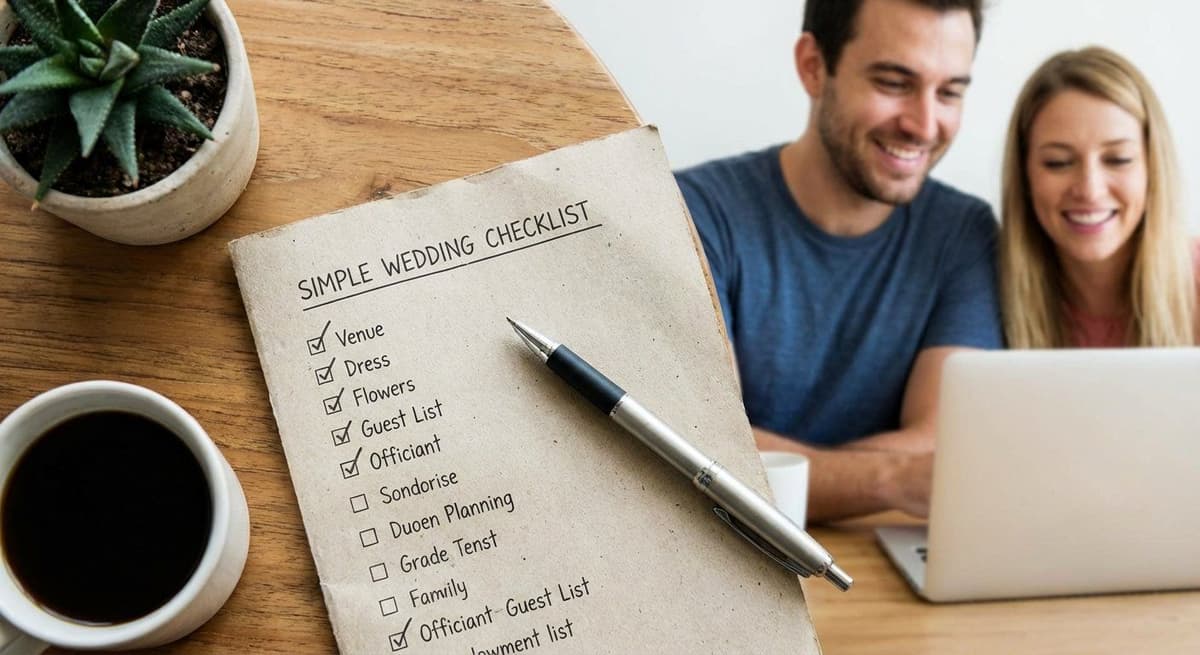
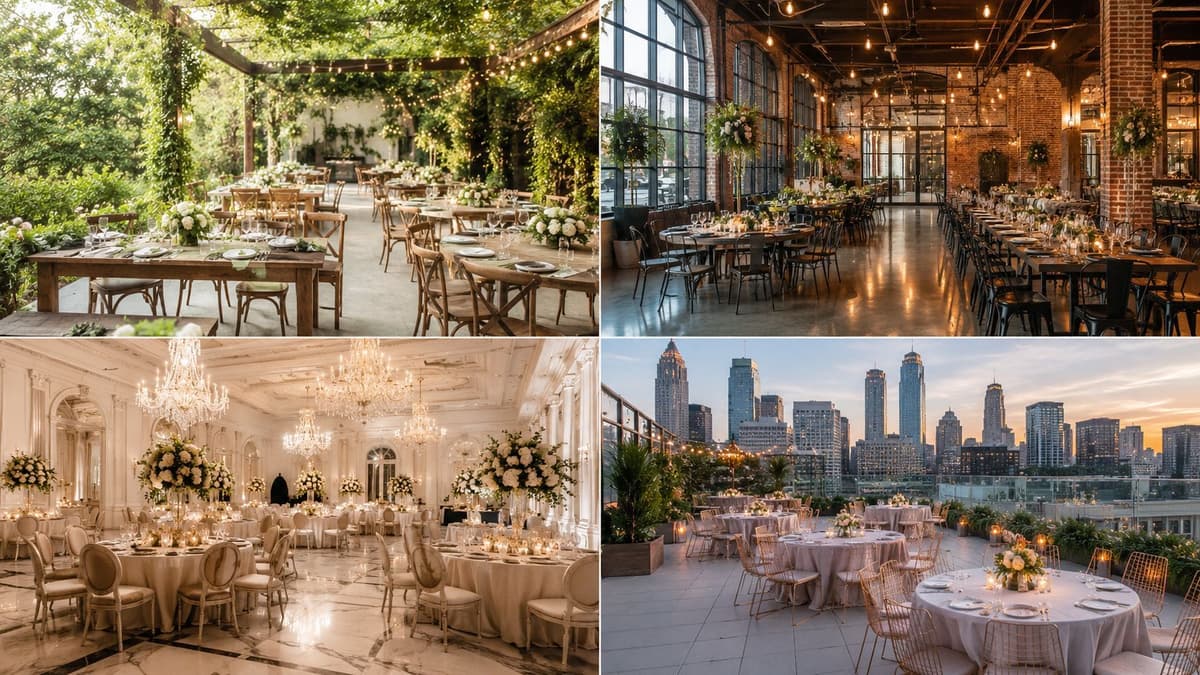
1. Define Your Wedding Vision & Style
Before you book a single vendor or draft a guest list, your first and most crucial step is to define your wedding vision. This is the foundational aesthetic and emotional tone that will guide every subsequent decision, ensuring a cohesive and personal celebration. It’s the difference between a collection of services and a truly memorable experience that reflects you as a couple.
This process involves more than just picking colors; it's about articulating the feeling you want to evoke. Do you envision a relaxed, bohemian garden party or a chic, modern cityscape affair? By establishing this core identity early, you create a clear filter for choosing your venue, attire, decor, and even your music. ItsaYes helps you turn inspiration into a clear plan by having you begin by defining your style and ideas.

How to Create a Cohesive Wedding Vision
Start broad and then narrow your focus. A common mistake is getting lost in thousands of pins without a clear direction. The goal is to distill vast inspiration into a focused, actionable concept.
-
Gather Inspiration: Use platforms like Pinterest and Instagram to collect 30-50 images that resonate with you. Look for patterns in color, texture, and overall mood.
-
Identify Core Themes: Review your collection and identify recurring elements. Are you drawn to "tropical minimalist," "Mediterranean rustic," or "classic romantic"? Name your style to give it a clear identity.
-
Create a Mood Board: A visual mood board is essential. Use a tool like Canva to combine your favorite images, color swatches, and font ideas into a single document. This becomes your reference point for every vendor conversation. For a more automated approach, you can explore how to create your ideal wedding aesthetic with an AI mood board generator.
-
Discuss Non-Negotiables: You and your partner should separately list your top three priorities (e.g., amazing food, live band, intimate guest list). Compare your lists to find common ground and establish your shared "must-haves." This alignment is a key part of any simple wedding planning checklist.
2. Set Your Realistic Budget & Allocate Funds
Once your vision is clear, the next critical step is establishing a realistic budget. This isn't just about picking a number; it's about creating a financial roadmap that prevents stress and empowers you to make confident decisions. A well-defined budget is the engine that drives your planning, ensuring your choices align with your financial reality and your wedding priorities.
This process involves an honest conversation about what you can comfortably afford, followed by a strategic allocation of funds across different vendor categories. Without this step, it's easy to overspend on early bookings, leaving little for essential elements later. ItsaYes simplifies this by integrating your budget directly into your plan, helping you track every expense and keep your spending aligned with your vision from day one.
How to Create an Actionable Wedding Budget
An effective budget is specific, flexible, and meticulously tracked. The goal is to move from a vague total to a detailed, category-by-category plan that guides every vendor inquiry.
-
Determine Your Total Budget: Have an open discussion with your partner and any contributing family members about who is paying for what. Sum up all contributions to arrive at a firm, all-in number before you start your research.
-
Allocate Based on Priorities: Your budget allocation should reflect your vision. A foodie couple might allocate 40% to venue and catering, while a couple prioritizing memories might dedicate 15% to an elite photographer and videographer. Adjust standard percentages to match what’s most important to you.
-
Build a Contingency Fund: Earmark 10-15% of your total budget for a contingency fund. This buffer covers unexpected costs like a last-minute rental need, vendor gratuities, or a beautiful decor piece you didn't anticipate. It's a crucial part of any simple wedding planning checklist.
-
Track Every Expense: Every deposit, payment, and gratuity must be recorded. Using a dedicated tool prevents overspending and provides a clear view of your remaining funds. To keep this process organized without messy spreadsheets, you can learn more about ItsaYes’ integrated wedding budget tracker.
3. Create Your Guest List & Manage RSVPs
After defining your vision and budget, creating your guest list is the next critical step that influences almost every other decision. Your final headcount directly impacts your choice of venue, catering costs, and even the overall intimacy of your celebration. This task involves more than just listing names; it requires a systematic approach to gathering contact information, tracking RSVPs, and managing guest needs like dietary restrictions.
Managing this process effectively prevents last-minute chaos and ensures your vendors have accurate numbers. While traditional spreadsheets can become unwieldy, a dedicated system is essential for maintaining order. Modern platforms like ItsaYes are designed to centralize this information, moving beyond messy spreadsheets to offer a streamlined dashboard where you can track responses, meal choices, and plus-ones in one organized, accessible space.
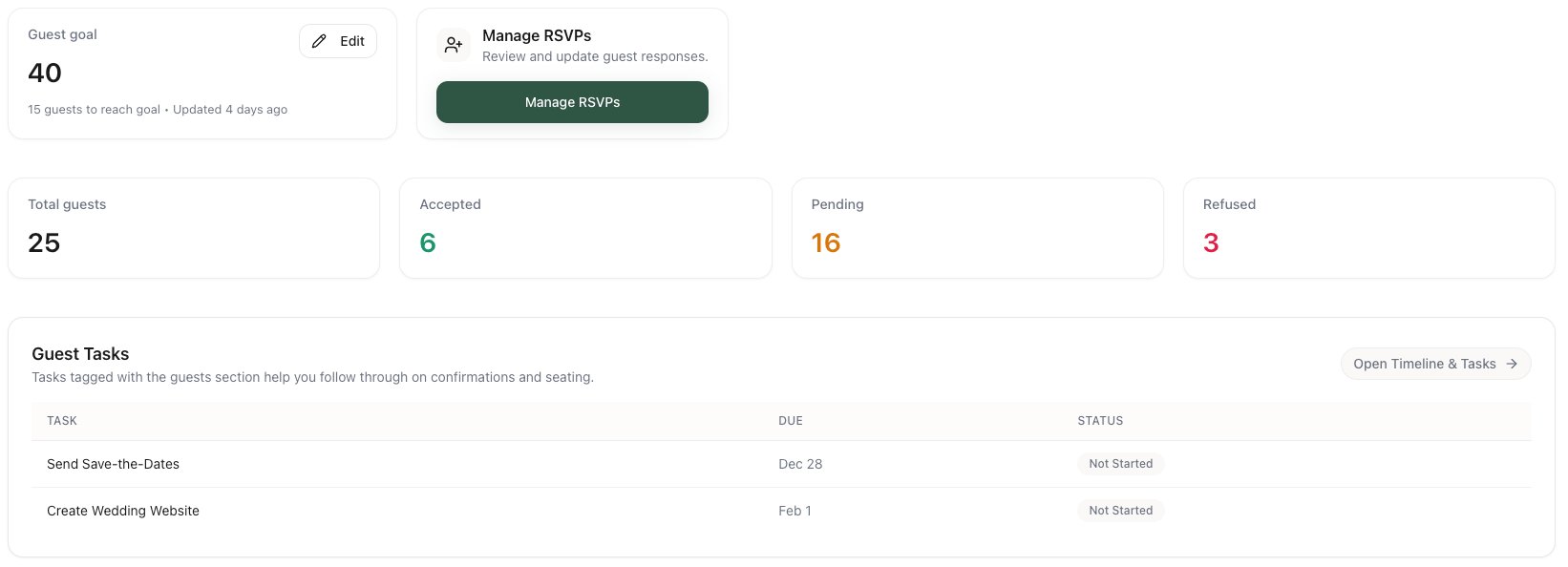
How to Systematically Manage Your Guest List
A structured approach will save you countless hours and prevent important details from falling through the cracks. The key is to create a single source of truth for all guest-related information from day one.
-
Draft Your Tiers: Start by creating an "A-list" (must-invites), a "B-list" (would love to have), and a "C-list" (if space and budget permit). This helps you make tough decisions if you need to reduce numbers to fit your venue or budget.
-
Centralize Your Data: Use a dedicated digital tool to build your master list. Include columns for full names, mailing addresses, email addresses, RSVP status, meal choice, and a notes section for dietary restrictions or accessibility needs. This is a core part of any simple wedding planning checklist.
-
Set Clear Deadlines: Your RSVP deadline should be set for 3-4 weeks before the wedding day. This gives you enough time to follow up with non-responders and provide a final, accurate headcount to your caterer and venue, who typically require it 1-2 weeks before the event.
-
Automate Where Possible: Choose an invitation method (digital or a wedding website) with built-in RSVP tracking. This automatically updates your master list as guests respond, minimizing manual entry and potential errors. You can explore a modern solution with a wedding guest list app to keep everything in sync.
4. Book Your Venue(s)
Once your budget and guest list are established, booking your venue is the most critical next step. This decision anchors nearly every other detail of your wedding, including your official date, guest capacity, and overall aesthetic. As the single largest expense for most couples, securing your venue early provides the foundational structure needed for the rest of your simple wedding planning checklist.
Your venue choice dictates the vendors you can hire, the style of your decor, and the logistical flow of your entire wedding day. Whether you're dreaming of a rustic barn, a chic city loft, or a grand hotel ballroom, this decision solidifies your vision into a tangible plan. ItsaYes simplifies this by cross-referencing your budget and style preferences, helping you filter through options that align with your vision and ensuring you don't waste time on venues that aren't a good fit.
How to Find and Secure Your Perfect Venue
Securing your dream venue requires a strategic approach, especially for popular locations that book 12-18 months in advance. The key is to be organized, thorough, and decisive.
-
Create a Shortlist: Research online and narrow your options down to 5-7 venues that fit your budget, guest count, and style. Note their capacity, location, and any package inclusions.
-
Schedule Strategic Tours: Visit your top 3-4 choices. If possible, schedule tours for the same time of day you plan to host your wedding to get an accurate feel for the lighting and ambiance.
-
Ask the Right Questions: Come prepared with a list of questions. Ask about included services (tables, chairs, linens), outside vendor policies, parking, accessibility, and any potential hidden fees like cake-cutting or corkage.
-
Review the Contract Carefully: Before signing, thoroughly read the contract. Pay close attention to the payment schedule, cancellation policies, force majeure clauses, and liability insurance requirements. This is where a clear head and attention to detail are paramount in your planning process.
5. Select & Book Key Vendors (Photographer, Caterer, Florist)
With your vision defined and budget set, the next critical step is securing the key vendors who bring your wedding day to life. Your photographer, caterer, and florist are the artisans who capture the memories, delight the senses, and craft the atmosphere. These three vendors often account for a significant portion of your budget, so booking them early ensures you get your top choices and locks in pricing.
This phase is about more than just hiring help; it's about building a creative team that understands and can execute your specific vision. From a photographer whose style matches your aesthetic to a caterer who can accommodate dietary needs, each choice is a crucial piece of your wedding puzzle. ItsaYes simplifies this by centralizing vendor research and communication, allowing you to compare quotes and manage contracts from a single, organized dashboard that's already aligned with your budget and style.

How to Hire Your Core Wedding Team
A methodical approach will help you evaluate vendors objectively and find the best fit for your celebration. The goal is to build a reliable team you trust completely.
-
Request Recommendations: Start by asking your venue for a list of preferred vendors; they often have experience with professionals who know the space well. Also, consult recently married friends for their firsthand recommendations.
-
Interview Multiple Candidates: Aim to interview at least three vendors for each category. This allows you to compare their packages, personalities, and pricing structures. For example, an emerging photographer with a strong portfolio might charge $2,500, while a seasoned professional could be over $8,000.
-
Ask Specific Questions: Go beyond their portfolio. Ask about their communication style, backup plans for emergencies (like illness), and how they would approach your specific vision, whether it's a plant-based menu or a dried floral arrangement.
-
Review Contracts Thoroughly: Before signing, carefully review every detail. Confirm payment schedules (typically a 25-50% deposit), deliverables (like photo gallery timelines and file formats), and cancellation policies. This is a vital part of any simple wedding planning checklist.
6. Plan Your Ceremony Details & Order
While the reception is the party, the ceremony is the heart of your wedding day. This is the moment you officially commit to one another, and its design should be a deeply personal reflection of your relationship, values, and shared future. Planning the ceremony involves more than just an aisle to walk down; it’s about curating an emotional experience through vows, music, readings, and meaningful rituals.
This step requires careful coordination between you, your partner, your officiant, musicians, and any participating family or friends. A well-planned ceremony sets the emotional tone for the entire celebration, making it a pivotal part of your simple wedding planning checklist. ItsaYes helps you track these specific tasks, from drafting vows to confirming musician cues, ensuring every heartfelt detail is accounted for without adding to your stress.
How to Craft a Meaningful Ceremony
A memorable ceremony feels authentic and intentional. The key is to start planning early, typically 5-6 months in advance, to give yourselves ample time to personalize each component and coordinate with everyone involved.
-
Consult Your Officiant: Your first meeting with your officiant is crucial. Discuss the desired tone (religious, secular, spiritual, humorous), the overall structure, and any specific traditions or personal elements you want to include. This conversation will form the blueprint for your ceremony.
-
Personalize Your Vows: Whether you write them from scratch or adapt traditional wording, your vows are the core of the ceremony. Start writing them at least a month in advance and practice reading them aloud. This helps you manage the emotional delivery on the day.
-
Select Music and Readings: Choose songs and texts that hold personal significance. This could be anything from classical processional music to a reading of your favorite poem or song lyrics. Assign readings to loved ones who can deliver them with confidence and feeling.
-
Establish the Order: Create a detailed timeline of the ceremony from start to finish. This "order of service" should include the processional order, music cues, readings, vows, ring exchange, and recessional. Provide copies to your officiant, musicians, and wedding party to ensure a seamless flow.
7. Design Reception Layout & Décor Plan
Once your venue is secured and your guest list is taking shape, the next crucial step is designing your reception layout and décor plan. This is where your wedding vision transitions from an abstract mood board into a tangible, three-dimensional experience for you and your guests. The flow of the space, the arrangement of tables, and the specific décor elements all work together to create the atmosphere of your celebration.
A well-designed reception space directly impacts guest comfort, photo opportunities, and the overall vibe of the evening. It dictates how guests will interact with each other and the space, turning a simple room into an immersive environment. ItsaYes helps translate your aesthetic into a practical plan, prompting you to consider layout logistics alongside décor choices, ensuring your design is both beautiful and functional.
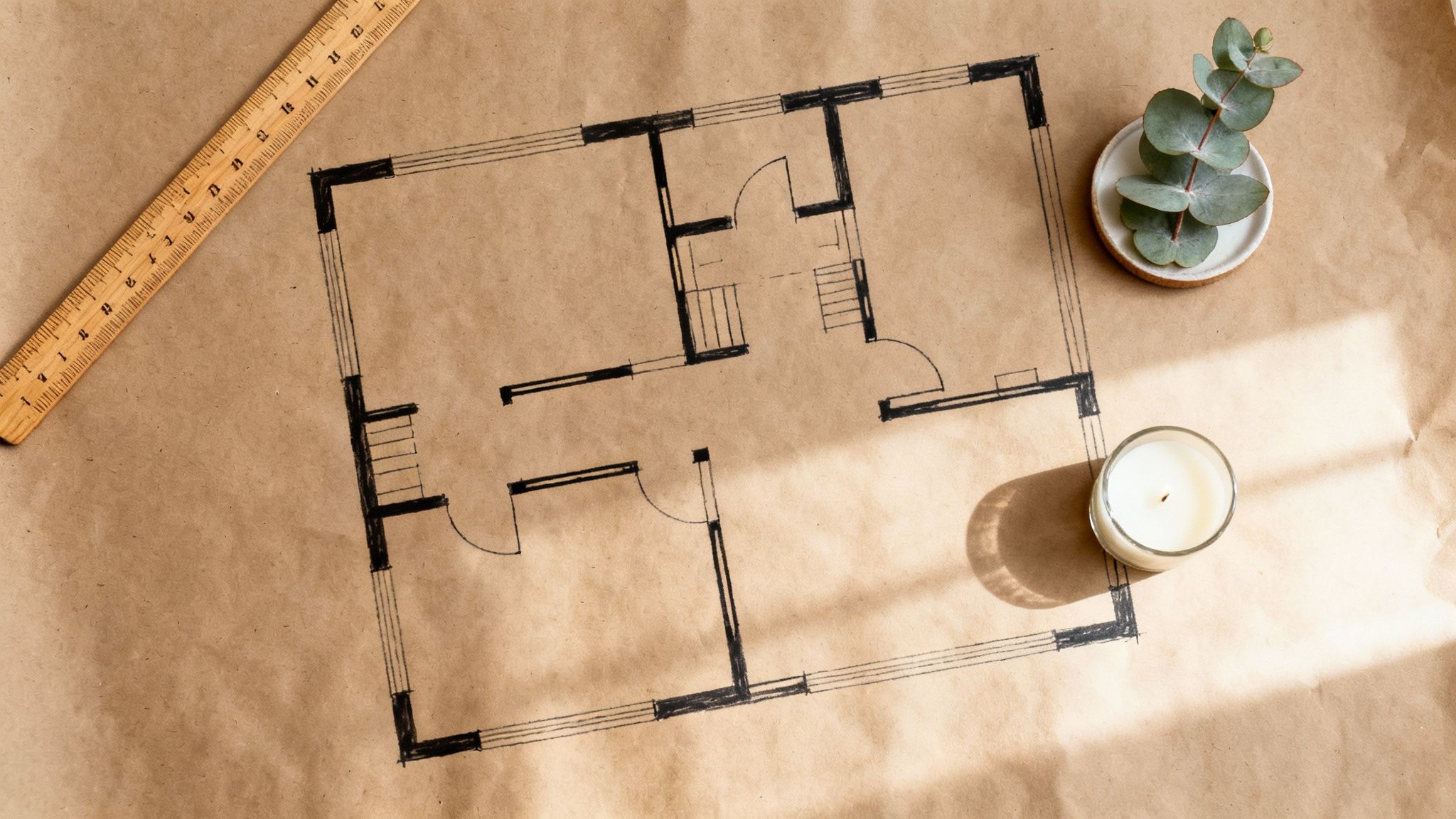
How to Create a Functional & Beautiful Reception Design
A thoughtful layout prevents logistical headaches and enhances the guest experience. Start with the big picture (the floor plan) and then zoom in on the details (the tabletop).
-
Map Your Space: Get a floor plan from your venue or sketch one yourself. Mark fixed elements like doors, windows, pillars, and electrical outlets. This visual map is the foundation for every decision that follows.
-
Determine Your Seating Style: Decide between assigned seating, which offers more control but requires more planning, and open seating, which is more casual. This choice influences your table count and size requirements.
-
Establish Key Zones: Identify distinct areas for the head table, dance floor, DJ or band, bar, and cake table. Ensure there are clear, comfortable pathways between these zones to avoid bottlenecks.
-
Layer the Décor: Build your design in layers. Start with foundational rentals like tables, chairs, and linens. Then, add centerpieces and florals. Finish with smaller details like place cards, menus, and ambient lighting (candles, uplighting). This structured approach makes the process less overwhelming and is a key part of any simple wedding planning checklist.
After securing your venue and major vendors, your next focus is the culinary experience. The catering menu is often the second-largest wedding expense, accounting for up to 30% of your total budget, and it profoundly influences guest satisfaction. Finalizing your menu is about more than just food; it's about curating a memorable dining experience that reflects your style and accommodates everyone's needs.
This step involves selecting dishes, choosing a service style (like plated, buffet, or family-style), and planning your beverage service. A well-planned menu enhances the celebration's flow and leaves a lasting impression. With ItsaYes, you can track caterer communications, manage tasting notes, and log dietary restrictions, ensuring this complex part of your simple wedding planning checklist is organized and stress-free.
A strategic approach ensures your menu delights guests and aligns with your budget and vision. The key is to balance personal taste with practical considerations like venue capabilities and guest preferences.
-
Schedule Tastings Early: Aim to schedule your menu tasting 6-8 months before the wedding. This gives you ample time to refine choices with your caterer. Be sure to try different combinations and request to taste vegetarian, vegan, and gluten-free options.
-
Choose a Service Style: Your service style sets the tone for the reception. Plated dinners feel formal and traditional, a buffet offers variety and encourages mingling, while family-style service creates a warm, communal atmosphere.
-
Confirm Dietary Needs: On your RSVP card, include a section for guests to list dietary restrictions or allergies. Compile this information and provide a detailed, final list to your caterer 2-3 weeks before the wedding, alongside your final headcount.
-
Review the Bar Package: Decide between an open bar, a limited bar (beer and wine), or a cash bar based on your budget and guest demographics. Clarify all service charges, gratuity policies, and taxes in your contract to avoid surprise costs.
-
Map Out the Timeline: Work with your caterer to create a detailed service timeline. This should include timing for cocktail hour appetizers, the main course service, toasts, cake cutting, and the final call at the bar to ensure a seamless evening.
9. Select & Order Wedding Attire & Accessories
Selecting your wedding attire is one of the most personal and exciting milestones in your planning journey. This step is about more than just a dress or a suit; it's about choosing the outfit that makes you feel confident, comfortable, and truly yourself on your wedding day. It’s a key visual element that anchors your wedding photos and sets the tone for your personal style.
The process involves much more than a single shopping trip. It requires careful timeline management, especially for custom or designer pieces that can take 6-9 months to create. From the initial search to the final alterations, each phase is crucial for ensuring a perfect fit and a stress-free experience. Properly managing this part of your simple wedding planning checklist ensures you and your wedding party look and feel your best.
How to Seamlessly Manage Wedding Attire Selection
A common pitfall is underestimating lead times, leaving little room for necessary alterations. The key is to start early and stay organized, ensuring every outfit, from the main couple to the wedding party, is sorted well ahead of time.
-
Start Early & Research Widely: Begin shopping 8-12 months before your wedding. Visit multiple bridal salons or suit shops to try on different silhouettes and styles. This helps you understand what flatters your body and aligns with your wedding vision.
-
Factor in Lead Times & Fittings: Once you order, a custom gown can take over six months to arrive. You must then schedule alteration appointments 3-4 months before the wedding, planning for at least two to three fittings to get the fit just right.
-
Coordinate with Your Wedding Party: Clearly communicate the dress code, style requirements, and budget expectations to your wedding party. Provide them with specific retailers or color swatches to ensure a cohesive look.
-
Prepare for the Final Details: Choose your shoes and undergarments before your final fitting to ensure the hem and fit are perfect. On the wedding day, have a small emergency kit with safety pins, stain remover, and fashion tape on hand for any last-minute adjustments. ItsaYes can help you set reminders for each of these key dates, from ordering deadlines to fitting appointments.
10. Create & Send Invitations & Manage Communications
Your invitations are more than just a piece of mail; they are the official announcement of your celebration and the first tangible piece of your wedding your guests will experience. This step involves designing, sending, and managing all guest-facing communications, from save-the-dates to RSVPs and last-minute updates. It sets the tone, provides crucial information, and builds excitement for your special day.
A well-managed communication strategy ensures guests feel informed, valued, and prepared. Whether you choose elegant paper invitations or a streamlined digital approach, the goal is to make the process seamless for everyone. Systems like ItsaYes can centralize guest lists and communication tasks, automatically generating reminders for when to send save-the-dates and track RSVPs, keeping this critical part of your simple wedding planning checklist organized and stress-free.
How to Manage Wedding Invitations and Communications
A clear timeline and centralized system are essential for avoiding confusion and ensuring timely responses. Start by finalizing your guest list and collecting addresses well in advance.
-
Choose Your Format: Decide between traditional paper invitations, digital e-vites, or a hybrid model. Paperless Post and Zola are excellent for digital-first couples with automatic RSVP tracking, while Minted and Etsy offer beautiful custom-printed options. A hybrid approach, like digital save-the-dates followed by formal paper invitations, can be a great balance.
-
Establish a Timeline: Send save-the-dates 6-8 months in advance (9-12 for destination weddings). Formal invitations should be mailed 8-12 weeks before the wedding date, with an RSVP deadline set 3-4 weeks out.
-
Include All Essential Details: Your invitation must clearly state who is hosting, the couple's names, the date, time, and venue address. Include a separate details card or link to a wedding website for information on dress code, accommodations, and registry.
-
Create a Centralized Communication Hub: Use your wedding website or a dedicated email address to field questions and send updates. This prevents you from being overwhelmed with individual texts and calls. Prepare templates for common inquiries or updates to maintain consistency and save time.
10-Step Wedding Planning Checklist Comparison
| Task | 🔄 Implementation complexity | ⚡ Resource requirements | 📊 Expected outcomes | 💡 Ideal use cases | ⭐ Key advantages |
|---|
| Define Your Wedding Vision & Style | Moderate — creative discovery and iteration | Low–Medium: time, visual references, moodboard tools | Clear aesthetic guide; fewer mid-planning pivots | Early planning; couples needing clarity or unified look | High: aligns decisions, reduces decision fatigue |
| Set Your Realistic Budget & Allocate Funds | Moderate — financial discussions, regional adjustments | Medium: budget data, cost databases, tracking tools | Controlled spending; prioritized allocations; contingency plan | All couples; essential when funds or expectations conflict | High: prevents overspending; enables confident vendor negotiation |
| Create Your Guest List & Manage RSVPs | Moderate–High — data collection and follow-ups | Medium: contact info platform, RSVP automation, reminders | Accurate headcount; dietary and seating clarity | Large weddings, blended families, destination events | High: centralizes responses; reduces manual tracking errors |
| Book Your Venue(s) |
Bringing It All Together for a Seamless Celebration
Navigating the journey from "Yes" to "I do" is a masterful act of organization, vision, and heart. This comprehensive guide has provided you with a simple wedding planning checklist, breaking down a seemingly monumental task into a series of clear, manageable steps. From defining your core wedding vision and establishing a realistic budget to booking crucial vendors and finalizing the minute details of your ceremony and reception, you now have a strategic roadmap to follow.
The true secret to a calm and enjoyable planning experience isn't just about having a list; it's about having an intelligent system to manage it. The most successful planning journeys are built on a foundation of clarity, where every decision connects back to your initial vision and every task is tracked within a unified framework. You have moved beyond abstract ideas, learning how to allocate funds with precision, curate a guest list that reflects your priorities, and select a team of vendors who will bring your dream to life.
Key Takeaways for Confident Planning
Remember these core principles as you move forward. They are the pillars that transform a stressful process into a rewarding one.
-
Vision First, Logistics Second: Always return to your foundational vision and style. This "why" will guide every decision, from the venue you book to the flowers you choose, ensuring your day is a true reflection of your partnership.
-
The Budget is Your Blueprint: Treat your budget not as a restriction, but as a strategic tool. A well-planned budget empowers you to spend confidently on what matters most and get creative with the rest.
-
Prioritization Prevents Panic: The timeline-based structure of this checklist is designed to tackle high-impact, long-lead-time items first. Booking your venue and photographer early creates a domino effect of clarity for all subsequent decisions.
-
Systems Beat Spreadsheets: Juggling multiple documents, Pinterest boards, and email threads is a direct path to overwhelm. A centralized system is non-negotiable for modern, efficient planning.
Your Actionable Next Steps
As you close this article and look toward your planning timeline, your next move is to translate this knowledge into action. The goal is not just to check boxes but to build a cohesive, interconnected plan where every element works in harmony. Instead of getting lost in a sea of disjointed notes and spreadsheets, your focus should be on creating a single source of truth for your wedding.
This is where a dedicated platform becomes invaluable. An intelligent system, like the one offered by ItsaYes, is built for newly engaged couples who want to enjoy the process, stay organized, and feel confident. It helps you turn inspiration into a clear plan, breaking the next 6 to 12 months into simple, manageable steps. Your AI assistant can help prioritize your to-dos based on your unique timeline and style, ensuring you are always focused on the most important next step. This proactive, automated approach is the key to replacing anxiety with anticipation.
Ultimately, this simple wedding planning checklist is your guide to creating more than just an event; it's about architecting an experience. By embracing a structured, system-driven approach, you give yourself the greatest gift of all: the freedom to be present. You can trust the plan you've so carefully built, delegate with confidence, and soak in the precious final moments of your engagement. You’ve done the work, you’ve built the foundation, and now you can look forward to a celebration that is as seamless as it is beautiful.
Ready to trade checklist chaos for organized calm? Let ItsaYes transform this guide into your personalized, AI-powered action plan. Stop juggling spreadsheets and start building your dream wedding in one intuitive workspace by visiting ItsaYes to begin your journey from first inspiration to a fully structured plan.