10 Essential Newlywed Game Questions to Ask Before Wedding Planning
22 min
10 Essential Newlywed Game Questions to Ask Before Wedding Planning
Author
The ItsaYes TeamAuthor
Welcome to the real "Newlywed Game", the one you play before the wedding. While traditional newlywed game questions are a fun way to test how well you know each other's quirks, the most critical questions are those that align your vision for the biggest day of your lives. This isn't just about fun trivia; it's about building a solid foundation for your entire wedding plan.
Misaligned expectations on budget, style, or guest count can lead to stress and overwhelm. By asking the right questions upfront, you can transform a chaotic process into a calm, collaborative journey. For a deeper dive into crucial conversations before proposing, explore these 9 Essential Questions to Ask Before Engagement to ensure your core values are in sync.
This guide provides 10 categories of essential newlywed game questions designed specifically for newly engaged couples. These prompts will help you:
Define your shared wedding vision.
Set clear, actionable priorities.
Create a structured plan from the start.
Think of this as the first, most important task in your wedding planning adventure. It's a way to ensure you begin your journey to "I do" on the same page, with clarity and confidence. Instead of juggling scattered notes and spreadsheets, this approach helps you build a calm, intuitive workspace for your ideas. By defining your style first, you can turn inspiration into a clear plan, breaking the next 6 to 12 months into simple, manageable steps, just like our AI wedding planner is designed to do. Let’s get started on building a wedding that truly reflects you both.
1. Vision & Style Compatibility Questions
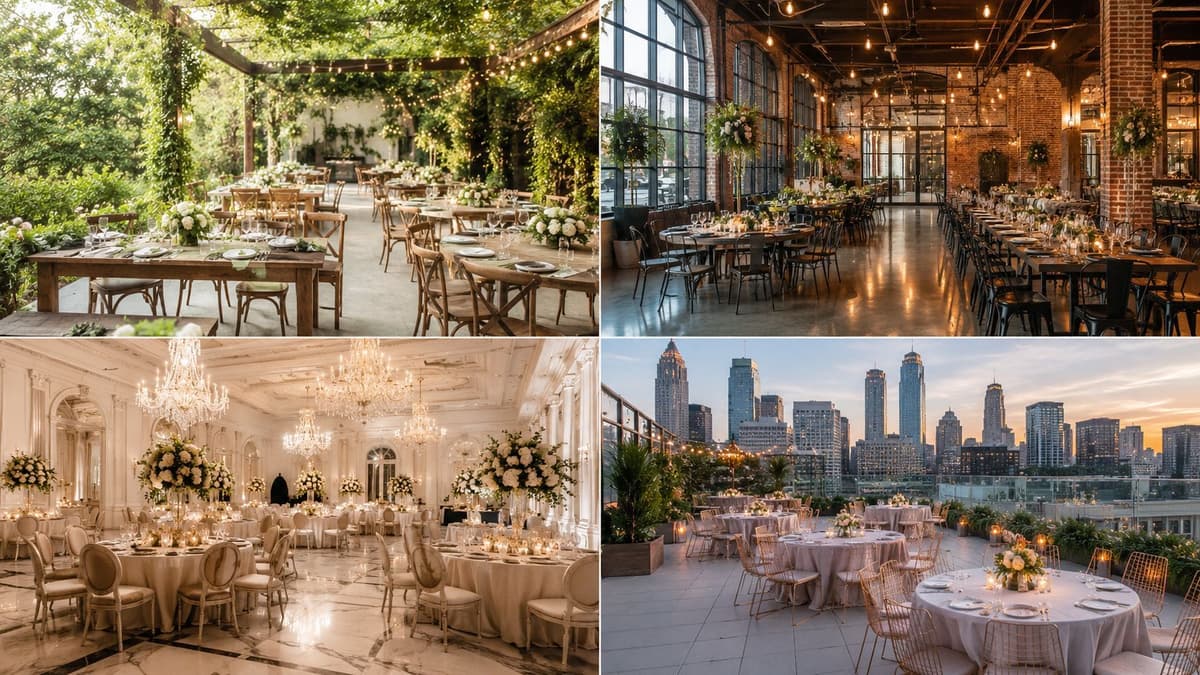
Before you dive into guest lists and venue tours, it’s essential to confirm you and your partner are picturing the same kind of day. Vision & Style Compatibility questions are designed to do exactly that. Think of them as the foundational stage of your newlywed game, a fun way to align on the core aesthetics and feeling of your wedding before any deposits are paid. This step helps prevent miscommunications and costly changes down the line, ensuring your planning journey starts on a unified, confident note.
These questions go beyond simple color choices. They get to the heart of what each of you wants to experience. Answering them helps you create a shared vocabulary for your wedding style, whether that’s “romantic and traditional” or “modern and minimalist.”
Sample Vision & Style Questions
Vibe Check: What is your ideal wedding vibe: an intimate garden party, a modern loft reception, or a grand ballroom celebration?
Three-Word Rule: Describe your dream wedding in only three words.
The Non-Negotiable: If you had to pick one non-negotiable design element (like specific flowers, lighting, or a type of furniture), what would it be?
Guest Experience: What feeling do you want your guests to walk away with?
Pro Tip: Have both partners answer these questions independently on paper or in a notes app first. The reveal is where the magic happens, sparking conversation and highlighting areas of perfect alignment or opportunities for a creative compromise.
To make this process even more concrete, consider using a tool to visualize your combined answers. With ItsaYes, you can input these keywords and ideas directly into an AI wedding mood board generator, which instantly creates a visual representation of your shared style. It’s a perfect way to turn abstract feelings into a concrete design direction for vendors.
2. Budget & Financial Priority Questions
Money is often the most significant source of stress during wedding planning. Budget & Financial Priority Questions are designed to tackle this head-on, creating a safe space for open and honest financial discussions. Think of this as the business meeting part of your newlywed game. It’s a crucial step to align on your total budget, identify spending priorities, and understand each other’s financial comfort zones before any contracts are signed. This ensures you make intentional decisions together, preventing arguments and sticker shock later on.
These questions help you move from vague hopes to a concrete financial plan. Answering them clarifies what you both truly value, helping you decide where to splurge and where to save. This process builds a foundation of financial trust and teamwork for your marriage.
Sample Budget & Financial Questions
The Big Number: What is our realistic total wedding budget, and who (if anyone else) is contributing?
Top Three Splurges: If we could only splurge on three things for the wedding, what would they be?
Value Showdown: What’s more important to you: amazing food for everyone or a stunning, sought-after venue?
The Debt Question: Are we comfortable going into any debt for this wedding? If so, what is the absolute maximum?
Pro Tip: Before answering, research the average wedding costs in your region. This grounds your conversation in reality. Once you set a budget, build in a 10-15% contingency buffer for unexpected costs and overages.
To keep this process organized and stress-free, avoid scattered spreadsheets. Using a dedicated tool can make all the difference. With the ItsaYes wedding budget app, you can set your total budget, track expenses against categories in real-time, and see how every decision impacts your bottom line. It’s the perfect way to turn your financial answers into a clear, manageable action plan.
3. Guest List & Celebration Scale Questions
After settling on your overall vision, the next crucial conversation centers on your guest list. The size and scale of your celebration directly influence nearly every other wedding decision, from your venue choice and catering costs to your budget and overall atmosphere. These newlywed game questions are designed to get you and your partner aligned on this fundamental aspect early on. This step is about preventing the common stress of guest list negotiations by turning it into a collaborative, proactive discussion.
Answering these questions together helps you define who you want to celebrate with. You’ll clarify your priorities, ensuring you’re on the same page about how intimate or grand your event will be before you start sending save-the-dates. It’s a practical way to build a shared foundation for your guest list strategy.
Sample Guest List & Scale Questions
The Big Picture: Dream scenario: an intimate gathering with 50 of your closest friends and family, or a large celebration-style party with 200 guests?
The A-List: Are there certain people who are absolutely non-negotiable to invite? Let's each name our top 10.
Extended Circles: How do we feel about inviting family members we don't see regularly or plus-ones for single guests?
Event Format: Would you rather host one big wedding day or multiple smaller celebrations (like a welcome dinner and a day-after brunch)?
Pro Tip: Start by creating an "A," "B," and "C" list together. The "A" list includes your non-negotiables (immediate family, wedding party), the "B" list is for close friends and extended family you'd love to have, and the "C" list is for nice-to-haves if space and budget allow. This tiered approach makes cuts less personal and more strategic.
Managing a guest list can become complex, but a dedicated tool can make it much smoother. The ItsaYes platform helps you turn these initial conversations into an organized plan. Its personal AI assistant is available 24/7 to suggest priorities, organize tasks, and keep everything moving forward without overwhelm, ensuring all your guest-related details are in one calm, central workspace.
4. Logistics & Timeline Preference Questions
Once you’ve aligned on the look and feel, it’s time to get practical. Logistics & Timeline Preference questions are a crucial part of your newlywed game, focusing on the "when" and "how" of your big day. These questions help you pin down your ideal wedding season, preferred time of day, and the overall flow, which directly informs vendor availability, pricing, and the entire planning schedule. This stage is about building the structural frame for your wedding.
Discussing these details early prevents logistical headaches. Answering these questions helps you understand each other’s expectations for the celebration's pace and structure, ensuring you're both on the same page about how the day will unfold for you and your guests.
Sample Logistics & Timeline Questions
Season Selector: Are we dreaming of a spring garden wedding, a breezy summer backyard party, a cozy fall affair, or a magical winter wonderland?
Time of Day: What’s our ideal start time: a morning brunch, an afternoon ceremony flowing into the evening, or a formal evening celebration?
Celebration Duration: How long should our entire celebration last? A concise 4-hour event or an all-day 10+ hour marathon?
Ceremony Style: Do we want a traditional ceremony format, something modern and minimalist, or a completely unconventional structure?
Pro Tip: Before setting a date in stone, check with your top-priority venue and vendors to see if their availability aligns with your ideal season. This can save you from major disappointment and help you lock in your team.
Creating a draft of your schedule is a great next step. With ItsaYes, you can use your answers to these questions to begin mapping out your day. The platform helps you turn these preferences into a structured plan, and you can even build out a preliminary schedule using an intuitive wedding day timeline generator to see how all the pieces fit together. This gives you a clear, manageable blueprint from the very beginning.
5. Roles, Responsibilities & Support System Questions
Beyond the fun of design and aesthetics lies the practical reality of planning a wedding: who does what? Roles, Responsibilities & Support System questions are critical for a smooth, low-stress planning process. They move beyond the "what" of wedding planning to the "how," establishing a framework for teamwork, boundary-setting, and mutual support before the workload becomes a point of tension. These newlywed game questions prevent one partner from feeling overwhelmed and ensure you operate as a unified team.
These questions help you proactively address the relational and workload dimensions often overlooked until stress peaks. Answering them defines your partnership’s operational strategy for the next several months, setting clear expectations for task ownership, family involvement, and professional help.
Sample Roles & Responsibilities Questions
Task Force: Who will take the lead on different areas- venue research, catering quotes, floral design, and guest list management?
Family Matters: How involved do we want our families to be in planning decisions, and what topics are off-limits for outside opinions?
Professional Help: Do we think hiring a wedding planner or day-of coordinator would be a worthwhile investment for our budget and sanity?
Relationship Protection: How will we protect our relationship from planning stress? (e.g., designated "no-wedding-talk" date nights)
Pro Tip: Divide tasks based on genuine interest and skills, not outdated gender roles. The partner who loves spreadsheets can manage the budget, while the partner with a great eye for design can lead on decor. The goal is a balanced, enjoyable division of labor.
To keep this process organized, use a shared digital workspace. ItsaYes provides a single source of truth where both partners can see assigned tasks, track progress, and stay informed. Instead of juggling spreadsheets, Pinterest boards, and scattered notes, you get a calm, intuitive system that keeps your plan moving forward without one person shouldering the mental load.
6. Values, Meaning & Personal Priorities Questions
Beyond the centerpieces and playlists, your wedding is a profound personal milestone. Values, Meaning & Personal Priorities questions get to the core of this significance. This part of your newlywed game is about understanding the "why" behind your celebration, ensuring the day reflects your shared beliefs, honors important traditions, and truly feels like yours. This alignment on a deeper level is what turns a beautiful party into an unforgettable, meaningful experience.
These questions explore what the wedding symbolizes for each of you individually and as a couple. Answering them helps ensure that the choices you make, from vendors to vows, are intentional and aligned with what you hold most dear.
Sample Values & Meaning Questions
Symbolic Significance: What does this wedding ceremony and celebration symbolize for you personally?
Success Metric: What single thing would need to happen for you to feel like the day was a total, heartfelt success?
Tradition Talk: What's one family or cultural tradition you absolutely want to honor, and what's one new tradition you'd like to start together?
Values in Action: How important is it that our wedding reflects values like sustainability, inclusivity, or supporting local businesses?
Spiritual & Cultural: Are there any spiritual or cultural rituals that are non-negotiable for you or your family?
Pro Tip: Create a "Values Statement" together. Write down 3-5 core principles for your wedding (e.g., "Guest Comfort," "Authentic Expression," "Joyful Celebration"). Refer back to this statement whenever you face a tough decision to stay grounded in your original intent.
Discussing these foundational priorities early on helps you create a more purposeful plan. When you define your core values in a platform like ItsaYes, you can feel confident and stay organized. The AI assistant can suggest priorities that align with the deeper meaning of your day, helping you build a wedding that isn't just planned but is also deeply purposeful.
The ceremony is the heart of your wedding day, the moment you officially become a married couple. Ceremony & Spirituality Customization questions ensure this pivotal part of the day authentically reflects your shared beliefs, values, and love story. Think of this as the soul-searching category in your newlywed game, a chance to align on the technical and emotional details that make the ceremony uniquely yours. Addressing these points early on prevents last-minute stress and ensures the ceremony feels personal and meaningful, not like a generic script.
These questions move beyond broad values and into the practical execution of your union. Answering them helps define the tone and structure of your ceremony, whether it's deeply religious, completely secular, or a thoughtful hybrid that honors both of your backgrounds.
Sample Ceremony & Spirituality Questions
Ceremony Style: Do we want a traditional religious ceremony, a modern secular celebration, or a blended approach?
Vow Exchange: Should we write personal vows, use traditional vows, or do a combination of both?
Meaningful Elements: What readings, music, or rituals are most meaningful to us and should be included?
The Officiant: Who is the right person to officiate our wedding: a clergy member, a close friend, a family member, or a professional celebrant?
Pro Tip: Schedule a meeting with your potential officiant early in the planning process to discuss your ideas. They are experts in ceremony structure and can offer valuable guidance on how to blend traditions, personalize rituals, and ensure a smooth flow.
To keep these important details organized, a dedicated planning tool is invaluable. With ItsaYes, you can create a specific section for your ceremony, tracking your chosen readings, music selections, vow drafts, and the overall timeline. The AI assistant can even help you structure your ceremony from the processional to the recessional, ensuring every element is accounted for and you feel confident in your plan.
8. Food, Beverage & Dining Experience Questions
Beyond the venue, your food and beverage choices often represent the largest portion of your budget and have a major impact on the guest experience. Food, Beverage & Dining Experience questions are a vital part of the newlywed game, designed to align your vision for the culinary aspect of your celebration. This category helps you make intentional decisions about everything from cuisine to service style, ensuring the dining experience reflects your personalities and delights your guests.
Answering these questions together prevents surprises and clarifies priorities. It ensures you’re on the same page about whether you want a formal, multi-course meal or a more relaxed, social atmosphere with food stations. This alignment is key before you start scheduling tastings or requesting quotes from caterers.
Sample Food & Dining Questions
Service Style: Do we want elevated fine dining, casual family-style, or fun interactive stations?
Cuisine & Menu: What cuisines excite us most? Are there any must-have dishes that represent our relationship or culture?
Bar Program: Should we offer a full open bar, signature cocktails only, just beer and wine, or a limited-alcohol menu?
Dietary Needs: How will we handle dietary restrictions and allergies to make sure all guests feel welcomed and cared for?
Pacing & Flow: Do we envision a formal sit-down dinner or relaxed grazing throughout the entire evening?
Pro Tip: Schedule tastings with your top two or three caterers before signing a contract. Food is subjective, and tasting the actual menu is the only way to be certain it meets your expectations for quality and flavor.
Effectively managing this aspect of planning is crucial. With ItsaYes, you can track guest dietary restrictions and meal choices, communicating this organized list directly to your caterer. The system brings your vision, tasks, and budget into one calm workspace, turning your dining preferences into a perfectly executed plan.
9. Photography, Videography & Media Documentation Questions
Your wedding photos and videos are the tangible memories you'll revisit for a lifetime, making them one of the most important investments you'll make. These newlywed game questions are designed to align your expectations on how your day is captured, from the artistic style to the specific moments you want to immortalize. Discussing this ensures you hire vendors who perfectly match your vision and that your final gallery and film reflect a shared story.
Aligning on your documentation style prevents disappointment later. One partner might envision candid, photojournalistic shots, while the other dreams of classic, posed portraits. These questions help you find a middle ground or a photographer who excels at both, ensuring your wedding album is a source of joy, not contention.
Sample Photography & Videography Questions
Style Preference: Do we prefer a natural, photojournalistic style or more traditional, posed portraits?
The Big Picture: Is videography a priority for us? If so, are we looking for a short highlight reel or a longer, documentary-style film?
Must-Have Moments: What are the absolute must-have shots or scenes we want our photographer and videographer to capture?
Coverage Needs: How many hours of coverage do we realistically need to capture everything from getting ready to the final send-off?
Photo Priorities: Which is more important to us: extensive couple portraits, detailed family formals, or candid guest interactions?
Pro Tip: Before meeting with potential photographers, create a shared list of your "must-have" shots. This isn't about micromanaging your vendor but about clearly communicating which moments (like a first look with a grandparent or a specific reception detail) are most meaningful to you.
Once you’ve aligned on your vision, a system like ItsaYes can help you manage the practical details. Use it to keep track of photographer contracts, shot lists, payment schedules, and final deliverable timelines. Your personal AI assistant can send reminders for upcoming payments or follow-ups, keeping the process organized and helping you enjoy the process with confidence.
10. Flowers, Decor & Visual Ambiance Questions
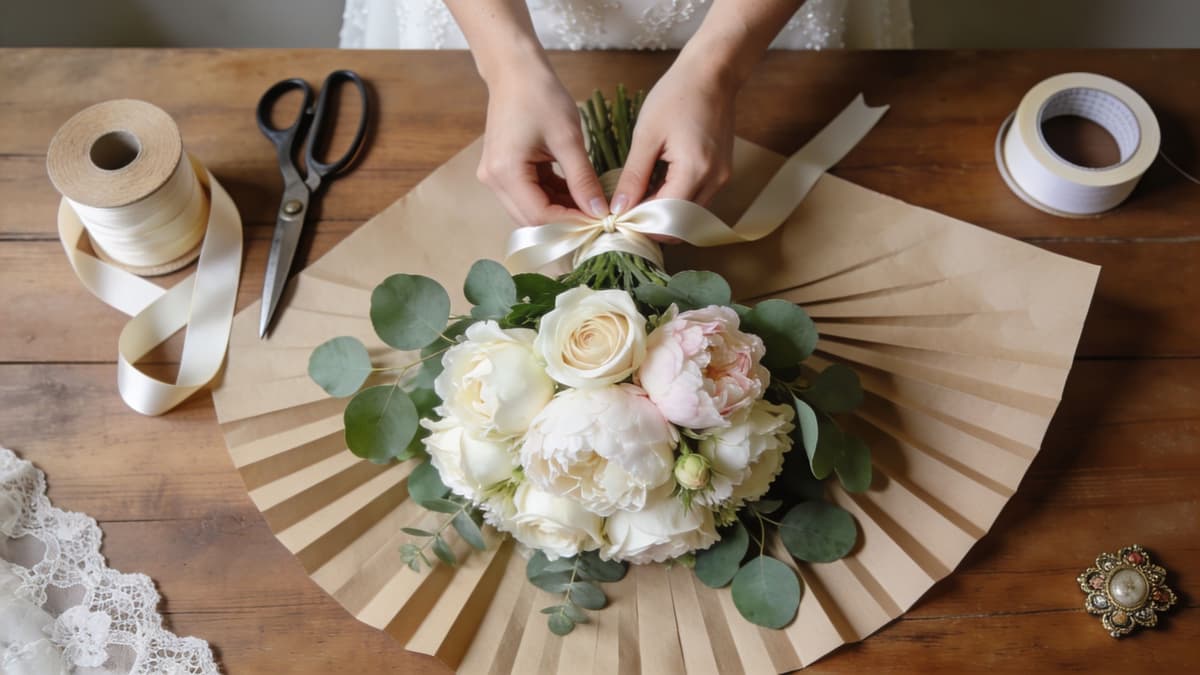
Your flowers and décor are more than just pretty details; they are the visual story of your wedding day. These elements create the atmosphere, set the mood, and are among the most photographed aspects of your celebration. This category of newlywed game questions ensures you’re aligned on the tangible aesthetics, from the color of the napkins to the style of the bouquets. A shared vision here prevents budget surprises and ensures the final look feels authentic to you both.
Discussing these questions early helps you communicate a clear and consistent message to your florist and other decor-related vendors. Knowing what you both want prevents one partner from envisioning romantic, lush florals while the other is picturing minimalist greenery, leading to a cohesive and beautiful event design.
Sample Decor & Ambiance Questions
Floral Focus: Do we want romantic lush florals, minimalist greenery, or bold, statement installations?
Palette Precision: What is our overall color palette, and how should it flow from the ceremony to the reception?
Lighting the Night: What is our ideal lighting style: dramatic uplighting, cozy string lights, abundant candles, or a focus on natural light?
Must-Have Moments: Which specific elements must have flowers: the bridal bouquet, centerpieces, an arch, the ceremony aisle, or something else?
Pro Tip: Before meeting with a florist, research which flowers are in season for your wedding date and region. This simple step can significantly impact your budget and help you set realistic expectations for your arrangements.
Once you’ve discussed your preferences, ItsaYes provides a calm, intuitive workspace to organize your ideas. You can create detailed notes for your florist, manage payment schedules, and track your floral deliverables and setup timeline, ensuring your visual ambiance comes to life without any last-minute stress.
Newlywed Game Questions — 10-Point Comparison
Category
🔄 Implementation Complexity
⚡ Resource Requirements
⭐ Expected Outcomes
📊 Ideal Use Cases
💡 Key Advantages
Vision & Style Compatibility Questions
Low–Medium: simple questionnaires; resolving mismatches may require compromise
Low: time, visual references (Pinterest/moodboards)
Cohesive visual experience and strong guest impressions
Finalizing aesthetic details, site dressing, and centerpiece planning
Seasonal selections reduce cost; integrates with moodboard and vendor plans
From Questions to a Confident Plan
You have now explored an extensive collection of newlywed game questions, moving far beyond simple trivia and into the foundational conversations that shape a life together. From aligning on your vision and budget priorities to defining your ideal celebration and support systems, these questions are more than just a game; they are a blueprint for your future. The real power of this process isn't just in the laughter or the surprising answers, but in the clarity and mutual understanding you build as a couple.
This guide has provided a structured approach to ensure your event is a true reflection of your partnership. By categorizing questions, you can methodically address every facet of your wedding, from the grand vision down to the smallest detail. You've seen how to organize a fun, engaging event while also gathering critical information for your actual wedding planning journey.
From Answers to Actionable Steps
The most significant takeaway is that these conversations are your starting point, not the destination. The insights you've gathered are invaluable, but they can easily get lost in scattered notes or forgotten conversations. The next step is to translate this newfound alignment into a concrete, organized plan. This is where many couples feel a new wave of overwhelm, staring at a blank spreadsheet or a chaotic Pinterest board, unsure of how to connect their big-picture vision to the day-to-day tasks.
To prevent this, it’s crucial to have a system that bridges the gap between your ideas and their execution. A central, calm workspace allows you to document the decisions you’ve made together and see how they inform every subsequent choice.
Key Insight: The success of your wedding planning depends on your ability to turn shared values and preferences into a structured, manageable timeline. The conversations sparked by these newlywed game questions are the first, most important step in that process.
Building Your Planning Foundation
Now that you've established your core priorities, you can confidently move forward. Instead of second-guessing every decision, you can refer back to the foundational agreements you made on key topics:
Financial Clarity: Use your answers from the budget and finance questions to set up a realistic spending plan.
Guest Experience: Let your guest list and celebration scale discussions guide your venue search and catering choices.
Shared Responsibilities: Apply what you learned about roles and support systems to delegate tasks effectively, avoiding stress and conflict.
Aesthetic Cohesion: Your documented preferences for decor, ambiance, and media will ensure a consistent and personal look and feel for your day.
By systematically converting your answers into a plan, you create a single source of truth for your wedding. This organized approach is the key to a calm, confident, and enjoyable planning experience. You are not just planning a party; you are co-creating the first major project of your married life. Starting with a solid foundation of communication and a clear, structured system will set the tone for a partnership built on teamwork and mutual respect.
Ready to turn your answers into a clear, actionable plan? Instead of juggling spreadsheets and scattered notes, bring your vision into ItsaYes. Our platform helps you document your priorities and turns them into a simple, manageable roadmap for the next 6 to 12 months, all with the help of your personal AI assistant. Start your journey with clarity at ItsaYes.