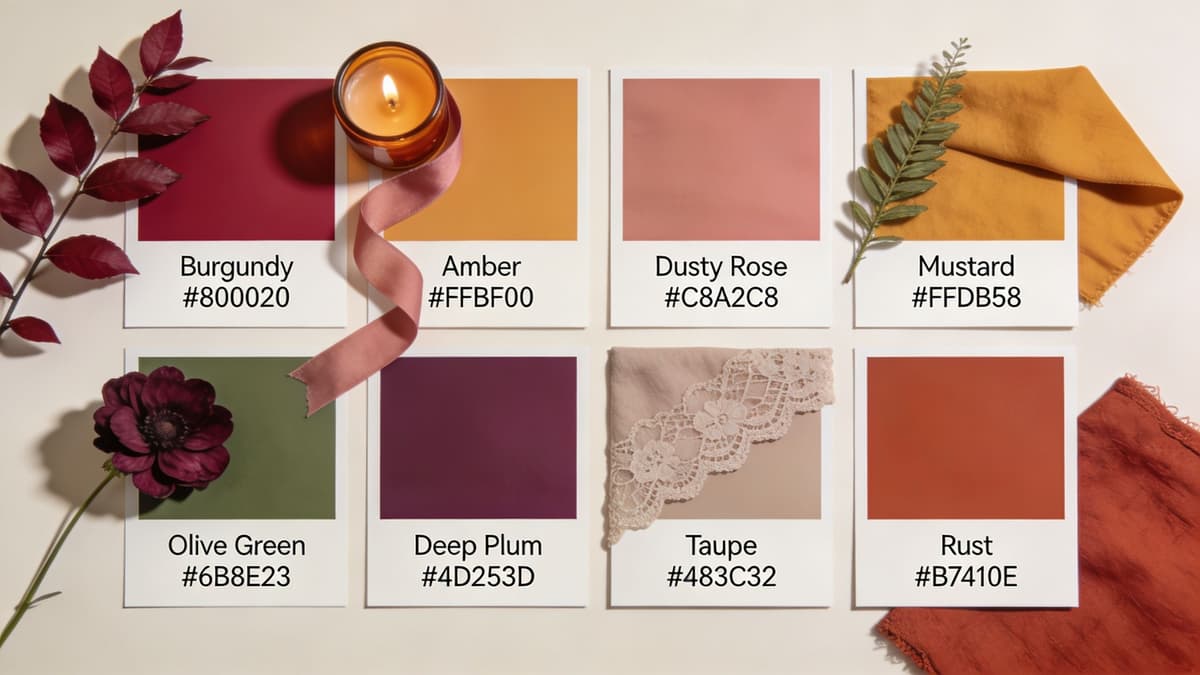
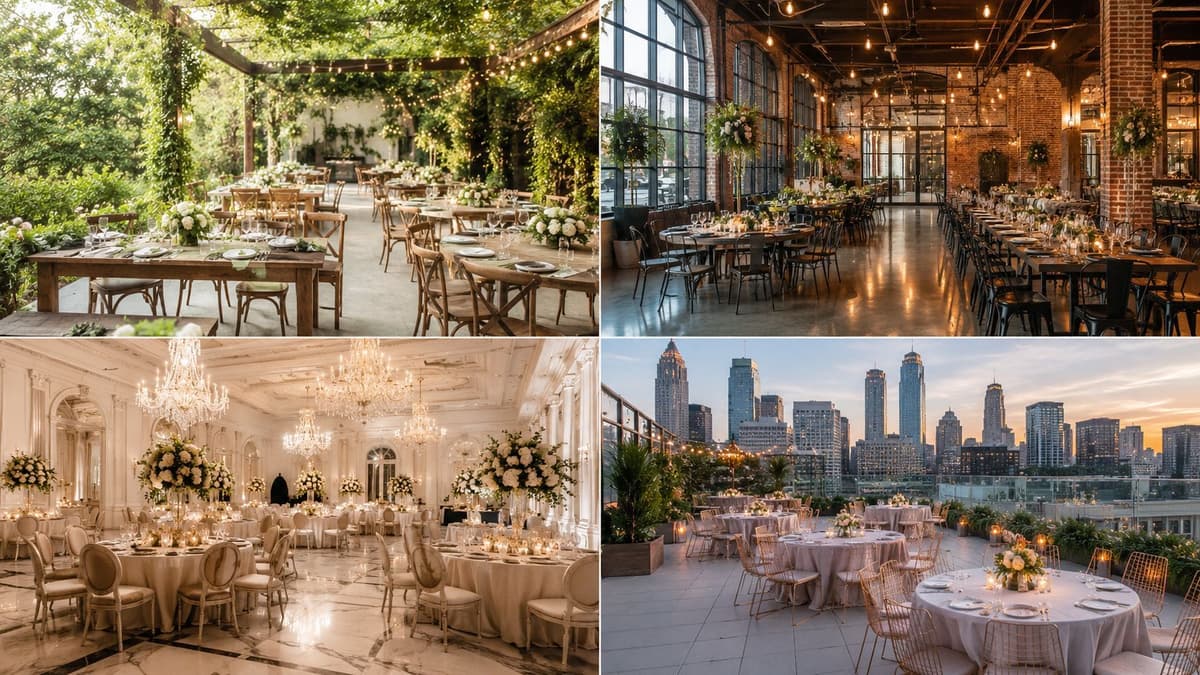
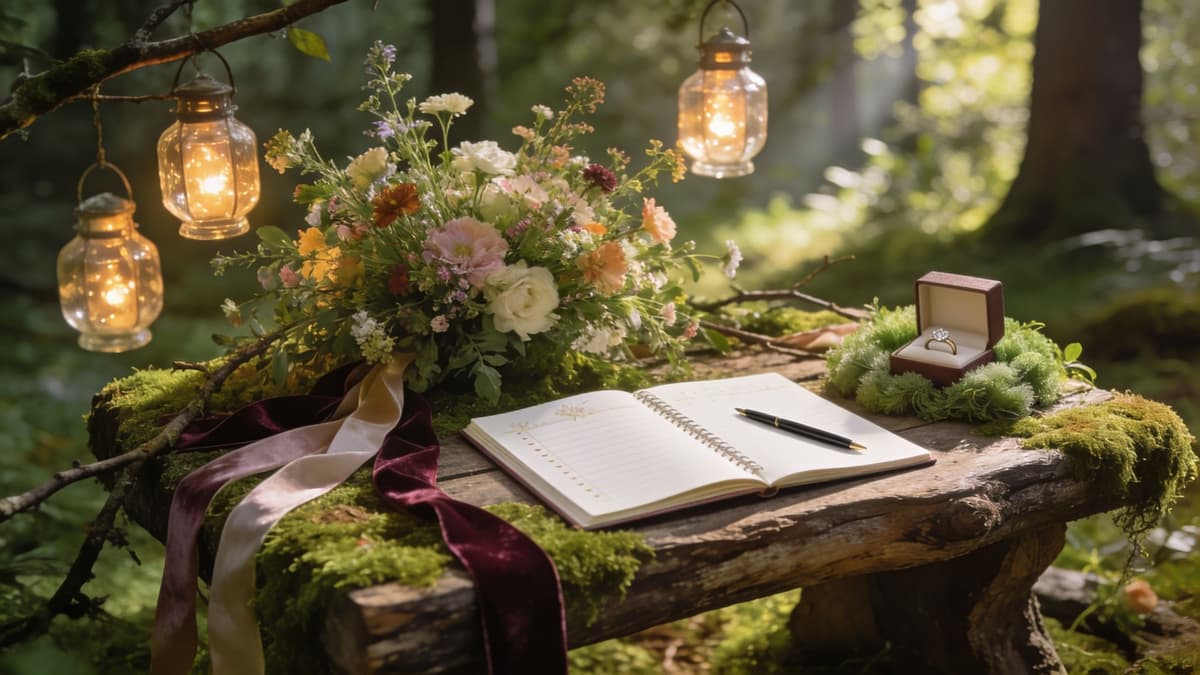
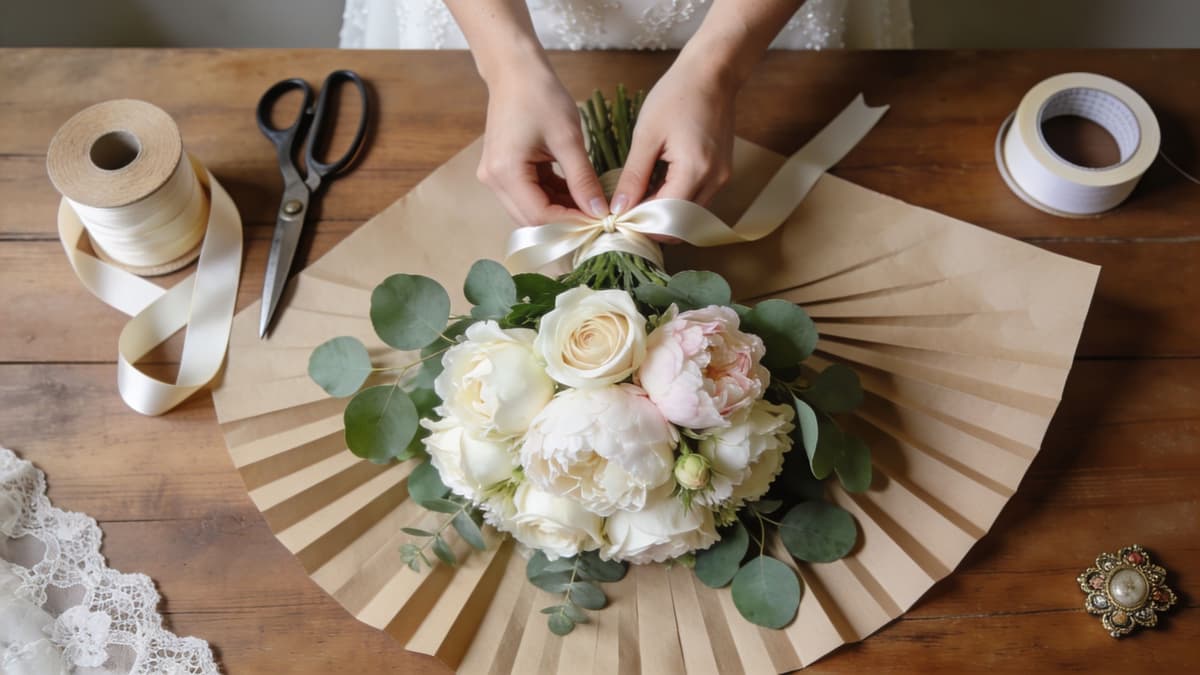
You've probably already saved three different versions of your fall wedding. One is a candlelit estate in burgundy velvet. One is a terracotta barn with dried florals. One is a clean city loft with navy menus and warm metal accents. That's normal. Most newly engaged couples don't struggle because they lack ideas. They struggle because they have too many.
Wedding colours fall planning works best when you stop treating color as a moodboard-only decision. Your palette affects florals, paper goods, bridesmaid attire, rental choices, table lighting, even how your photos read in low-light venues. A good palette narrows decisions. A weak one creates more of them.
October has been the most popular wedding month in the United States for over a decade, accounting for approximately 15 to 20% of weddings annually, and in 202^ it saw over 250,000 weddings nationwide according to fall wedding month trend data from Luxe Locks Studio. That popularity is part of why fall inspiration can feel so crowded. Everyone loves autumn. Not every fall palette, though, will feel like you.
The strongest approach is simple. Pick a palette that suits your venue, your light, your formality level, and your tolerance for visual drama. Then lock it in with exact hex codes, a short vendor brief, and a clear rule for where each color shows up. These eight palettes do exactly that, with practical notes to help you move from saved images to an actual plan inside your ItsaYes workspace.
1. Warm Burgundy & Gold
You book an evening venue with dark wood, candlelight, and a dress code that feels a little more dressed up. Burgundy and gold usually fit that setting better than a lighter fall palette because they hold their depth after sunset and still read clearly in photos.
The mistake is scale. Burgundy is strongest when it leads the palette, not when it covers every surface. Gold works best as a finishing detail with warmth and reflection, not as a bright metallic statement in every direction. Give both colors room to breathe with a light neutral.
That hierarchy matters because the same burgundy can read wine, plum, or holiday red depending on fabric, paper stock, and candlelight. In practice, I keep burgundy at roughly half the visible palette, ivory doing most of the balancing work, and gold limited to small touchpoints like flatware, candleholders, signage frames, or charger rims.
For accessibility, use ivory or very pale blush behind dark burgundy text on signage and stationery. Gold foil is harder to read, especially in low light, so reserve it for names, borders, or small accents rather than full menu text or directional signs.
Where it works best
This palette suits:
Estate houses, historic venues, ballrooms, and formal tents
Fall weddings that start late afternoon and move into candlelit dinner
Couples who want warmth without a rustic look
It struggles in bright midday sun, white industrial spaces, or casual outdoor settings unless you soften it with more ivory, lighter florals, and less metal. Venue style is the trade-off here. A strong palette can still feel wrong if the room is fighting it.
How to keep it balanced
A simple planning rule keeps this one under control. If the bridesmaid dresses are burgundy, lighten the tablecloths and florals. If the linen is burgundy, keep the paper goods, candles, and centerpieces noticeably softer.
Bright yellow gold that turns flashy under warm lighting
Heavy black added too early, which can make the room feel severe
Red-leaning burgundy in every category, especially flowers and linens together
Before you brief vendors, save these hex codes inside ItsaYes and assign each one a job. Example: burgundy for textiles and attire, ivory for paper and base linens, gold for hardware and candleholders, blush for floral softening. That gives your florist, stationer, and rental team the same instructions, which is how you keep the palette consistent from moodboard to setup day.
2. Burnt Orange, Terracotta & Cream
You save ten fall wedding photos in five minutes and they all look right until you compare them side by side. One terracotta reads clay pink. Another reads pumpkin. A third turns brown once it hits linen instead of paper. That is why this palette needs a plan, not just a moodboard.
Used well, burnt orange, terracotta, and cream feel warm, relaxed, and current. Used too broadly, they start to blur together and the room loses shape. The fix is simple. Give each color a job before you brief any vendor.
Assign each shade a role
Start with a tighter palette:
Terracotta #B5654A
Burnt orange #C16B3A
Cream #F3E9DC
Optional muted sage #9CB889
A practical split is 60 percent cream, 30 percent terracotta, 10 percent burnt orange. Cream should carry the base linens, most paper stock, candles, and negative space in florals. Terracotta works best in bridesmaid dresses, selected ceramics, ribbons, or napkins. Burnt orange is strongest as an accent in a few controlled places, such as focal blooms, taper candles, or a patterned lounge pillow.
If every surface is warm and saturated, nothing stands out.
This palette also needs a quick accessibility check. Burnt orange text can disappear on cream if the shade is too light, especially on invitations and signage in daylight. For menus, seating charts, and welcome signs, use a darker ink for the main text and keep orange for borders, highlights, or headings.
Match the palette to the venue first
This combination performs best in spaces that already have texture and warmth. Vineyards, adobe-style venues, courtyards, wood-heavy barns, and private estates usually support it well because the surroundings do part of the work for you.
The trade-off shows up in cooler spaces. In a white loft, a modern hotel ballroom, or a tent with bright flooring, these tones can look flatter than couples expect. In those settings, add more cream, bring in natural wood or woven texture through rentals, and keep the orange notes concentrated instead of spread across every category.
A good rule is to check the fixed colors you cannot change. Flooring, chairs, walls, and lighting matter more than the napkin sample.
Where couples usually get it wrong
The common mistake is overmatching. Burnt orange dresses, terracotta arch flowers, rust runners, amber glassware, copper candles, and orange stationery all in the same saturation band can make the design feel heavy by cocktail hour.
Instead, create contrast through finish and scale:
Matte terracotta vessels instead of glossy orange decor
Cream linen under warmer napkins and menus
Florals with breathing room, not solid orange blocks
Mixed bloom tones, including toffee, caramel, sand, and soft apricot
One repeated accent metal, not several competing warm metals
For favors or wedding party add-ons, textured accessories often tie this palette together better than more flowers. A thoughtful example is handcrafted burgundy textile gifts, especially if you want a warm-toned accent that feels tactile instead of overly decorated.
Turn the idea into vendor instructions
In ItsaYes, build one board for inspiration and one board for decisions. Couples often skip that second step, then wonder why the florist's terracotta is pinker than the stationer's terracotta.
Tag each saved image by category: florals, paper, tablescape, attire, rentals. Then add a short note under each hex code that states its use. Example: cream for base linens and invitation stock, terracotta for dresses and vessels, burnt orange for floral accents only, sage for small foliage moments. That gives your florist, stationer, rental team, and stylist the same reference point and cuts down on color drift across materials.
3. Deep Plum, Blush & Sage
You save a few reference photos with plum flowers, pale pink bridesmaid dresses, and soft green foliage. Then the primary decisions start. One vendor shows you a red-wine linen, another calls a gray-green napkin sage, and suddenly the palette that looked romantic online feels inconsistent in real life.
Deep plum, blush, and sage work best when each color has a clear job. Plum brings weight and evening mood. Blush keeps the design open and flattering in daylight. Sage adds structure and stops the palette from turning sugary or overly rosy.
Start with a controlled mix:
Plum #5C3A4D
Blush #E8C7C8
Sage #A8B5A2
Rose gold accent #B88A7A
The biggest trade-off in this palette is balance. Too much plum and the room reads winter formal. Too much blush and it starts to feel spring bridal. Sage is what steadies both sides, but only if you choose a true muted green instead of a silvered eucalyptus tone that photographs gray.
A practical distribution works well for most fall weddings. Keep blush as the largest visual field, often in paper stock, candles, select linens, and lighter blooms. Use plum in tighter, intentional placements such as ceremony florals, menus, taper candles, velvet ribbon, or a bar arrangement. Let sage carry through foliage, napkins, or select textile details so the palette feels grounded across spaces.
Where this palette usually goes wrong
Color drift is common here because vendors use different naming. Plum may arrive closer to berry, merlot, or aubergine. Blush can print peach. Sage can skew dusty blue-gray if you approve it on a screen instead of against fabric or foliage.
Handle that early:
Florist: Ask for the darkest bloom option and the greenery option side by side in natural light.
Stationer: Review printed samples, not only digital proofs.
Rental team: Match linen, napkin, and candle samples to your blush and sage references in the same appointment.
Attire: If dresses are blush, keep bouquets from becoming too pink overall or the photos lose contrast.
Ask each vendor the same question: “What is your closest in-stock match to this exact hex or sample?” That phrasing gets clearer answers than broad color names.
This palette also benefits from restraint with metallics. Rose gold can work, but only as a small accent on flatware, frames, or wax seals. If you add gold, copper, and rose gold together, the finish story gets messy fast.
Turn the palette into a usable plan
In ItsaYes, create one board for inspiration and one for approvals. On the approval board, save only the versions you are prepared to book. Label each item with its role, not just its color. For example: plum for candles and one focal floral moment, blush for invitation background and bridesmaid dresses, sage for napkins and foliage only.
That system matters with a palette like this because the materials all read differently. Velvet deepens plum. Matte paper softens blush. Satin can make blush look warmer. Dried or dusty foliage can pull sage off course.
For accessibility, keep darker text on blush or cream backgrounds rather than printing plum text over sage. If you use colored signage, test readability in low evening light, especially for escort cards and bar menus.
This combination suits estate venues, gardens, tented receptions, and indoor spaces that need softness without losing depth. It can also handle a day-to-night wedding well. Blush carries the ceremony beautifully in natural light, and plum still feels appropriate once candles are lit.
4. Rust, Olive & Cream
You save ten images that all say "earthy fall wedding," then realize they do not match each other. One version is warm and pottery-inspired. Another feels garden-heavy and green. A third is almost bohemian. Rust, olive, and cream work best once you decide which of those directions you want.
This palette suits couples who want warmth without the richer, dressier feel of burgundy or the louder energy of terracotta. It reads calm, organic, and considered. It also goes muddy fast if the balance is off.
Cream does most of the stabilizing work here.
Use these starting points:
Rust #A55A3B
Olive #7A8450
Cream #F6F0E7
Warm wood brown #8B6A4E
The trade-off is straightforward. Rust and olive both carry weight, so they need one light color and one natural texture to keep the room open. If you push all three into the same visual intensity, tablescapes can look flat by candlelight and florals can disappear in photos. Keep cream as the dominant base, then assign rust and olive specific jobs.
Texture matters as much as color in this palette. Matte ceramic, stoneware, washed linen, velvet ribbon, oak, walnut, and lightly aged brass all help these shades read intentional. High-gloss acrylic, mirrored tops, and very polished metallics usually pull the palette in a different direction. That does not mean you cannot use modern materials. It means you should use them sparingly and test them together before you approve samples.
Where each color should go
Rust: focal blooms, taper candles, menu cards, selective ribbon, one standout textile
Wood brown: chairs, frames, chargers, bar fronts, small furniture pieces
A good rule is 60/25/15. Keep cream around sixty percent of what guests see first, olive around twenty-five percent, and rust around fifteen percent. That ratio gives the palette shape without making every surface feel brown-green.
Venue context matters. In a greenhouse or garden venue, existing foliage already gives you a lot of green, so reduce olive in the florals and move rust into candles, paper goods, and a few priority blooms. In a white loft or marquee, olive can carry more of the atmosphere through napkins, taper candles, and lounge pieces because the room starts with very little depth.
Attire needs the same restraint. Olive works well for suits, ties, shawls, and bridesmaid dresses because it tends to photograph evenly across fabrics. Rust is trickier. Satin rust can skew orange, and chiffon can wash out under direct sun. If rust is your priority color, test it in the exact fabric your attire vendor uses, not just from a digital swatch.
Turn the palette into a vendor brief
In ItsaYes, build one moodboard for inspiration and one approval board for booked choices only. On the approval board, tag each item by function: cream for linen and paper, olive for textiles and foliage, rust for floral accents and candles. That keeps a florist from adding rust to every arrangement while the stationer adds another rust layer on menus and signage.
Then send every vendor the same short brief:
Cream stays dominant.
Olive should read muted, not bright or eucalyptus-heavy.
Rust appears in controlled accents, not across every element.
Add your hex codes and one photo in daylight plus one in candlelight. That extra step prevents the most common mismatch with this palette. Colors that look balanced on a phone screen often shift once they hit linen, flowers, and evening lighting.
For accessibility, use olive or dark brown text on cream backgrounds for signage and menus. Avoid rust body text on cream for anything guests need to read quickly, especially escort cards and bar menus in low light.
5. Navy, Copper & Cream
Not every fall wedding needs orange in the foreground. Navy, copper, and cream are ideal if you want your wedding colours fall palette to feel urban, clean, and a little more editorial.
This is especially effective in city venues. Lofts, restaurants, galleries, and industrial spaces often already have dark architectural features, polished surfaces, and lower evening light. Navy belongs there.
Why this palette works
Use a cooler base with a warmer metal:
Navy #24364B
Copper #B46A55
Cream #F4EEE6
Eucalyptus green #8DA096
The most common mistake is pairing navy with silver because it feels obvious. In fall, silver can make the room read wintry unless the whole wedding is deliberately crisp and monochrome. Copper gives navy warmth without dragging you into orange territory.
The gap research around fall palettes points to a lack of practical guidance for indoor venues and warmer climates, even though many couples don't want a harvest-style look. It also notes that anti-seasonal palettes appeared in a meaningful share of fall weddings in major markets, as discussed in Junebug Weddings' ideas for unique fall wedding colors. Navy is one of the easiest ways to make that move intentionally.
Where to place each color
Navy: stationery, bridesmaid dresses, lounge furniture, menu text, taper candles
Copper: flatware, candle holders, bar details, frames, small signage accents
Cream: florals, linen, cake base, paper stock
A navy tablecloth plus navy menus plus navy napkins is usually too much. Pick one large navy moment per table.
This palette photographs well in low light because cream keeps enough contrast on the table and copper catches candlelight. It also works for couples who want to use white florals without feeling like they ignored the season.
When you build this in ItsaYes, upload one moodboard that shows your preferred copper finish. Brushed, hammered, and polished copper all read differently. Vendors hear “copper” and often send options that sit miles apart visually.
6. Mustard Yellow, Deep Green & Cream
You save a few mustard pins because they feel warm and different. Then, after ten more images, the shade starts drifting. One version looks golden and soft, another reads almost neon, and suddenly the palette feels harder to control than it did on your phone screen.
Mustard presents a distinct challenge. It brings character fast, but it can also take over faster than couples expect. Deep green and cream give it enough structure to stay polished, especially in early fall vineyards, garden venues, historic inns, and spaces with wood or stone already doing part of the visual work.
Build the palette with one lead color
Use:
Mustard #C49A2C
Deep green #304B3D
Cream #F5F1E8
Soft camel accent #B89B7A
I treat deep green as the anchor, cream as the light source, and mustard as the accent. That order matters. If mustard becomes the largest color block in the room, the design can start to feel themed instead of intentional.
A practical rule helps. Keep mustard to about 10 to 15 percent of what guests see at once. That usually means a ribbon, a candle cluster, floral accents, menu borders, or a velvet table number. It usually does not mean full tablecloths, wide draping, or a full bridal party in the same saturated tone.
Where this palette works best
This combination suits couples who want warmth without rust, burgundy, or terracotta. It also works well if you like autumn color but want something less expected and a little more editorial.
Use mustard in:
floral accents
taper candles
ribbon
printed details such as escort cards or table numbers
small lounge pillows or bar signage
Keep deep green for:
bridesmaid dresses
napkins
ceremony ground arrangements
invitation text
lounge furniture
Use cream to open the room:
main florals
linens
candles
paper stock
cake base
Cream does more than soften the look. It protects readability. Mustard text on cream can be hard to read for some guests, especially in candlelight, so use deep green or a dark neutral for names, menus, and directional signage.
If a mustard swatch looks beautiful on its own but weak next to cream, it is probably too light for this palette.
Material changes the color more than couples expect. Matte mustard paper reads quieter than mustard velvet. Satin ribbon reflects more light and can look brighter. Florals shift too. Golden ranunculus, ochre roses, and dried elements rarely match exactly, so perfect matching should not be the goal. Consistency of temperature should be the goal.
In ItsaYes, set up one moodboard for the full palette and a second board just for mustard references approved by you. Include fabric, paper, floral, and candle examples side by side, then note what is acceptable and what is too bright, too brown, or too yellow. That gives your florist, stationer, rental team, and planner the same brief, instead of four different interpretations of "mustard."
7. Emerald, Black & Gold
You save a dozen reception photos with emerald linens, black chairs, and gold candlelight. Then you tour your venue at 2 p.m. and realize the room is much brighter, flatter, and less forgiving than the photos. This palette can look extraordinary, but it depends on lighting, contrast, and careful placement more than almost any other fall scheme.
Use:
Emerald #145A4A
Black #1F1F1F
Gold #C2A15A
Ivory #F7F2E8
Emerald carries the mood. Black gives structure. Gold adds warmth. Ivory keeps the room readable.
That last part matters. Couples often treat ivory as a background color, then wonder why the design feels dense. In this palette, ivory is the release valve. It should appear often enough that guests can rest their eyes between the darker notes.
Best setting for this palette
This palette works best for evening weddings, indoor receptions, historic venues, private clubs, museums, and hotel ballrooms with controlled lighting. It is less forgiving in spaces with harsh overhead lighting or strong midday sun. In daylight, black can read graphic instead of formal, especially if florals and linens do not soften it.
The trade-off is clear. The more black you use, the more polished the palette can feel. It also gets riskier. Too much black in a low-ceiling room can make the space feel smaller, and too little ivory can make printed details hard to read once candles are lit.
How to keep it elegant instead of heavy
Set a ratio before you book rentals or approve paper proofs. A good starting point is 50 percent ivory, 25 percent emerald, 15 percent black, and 10 percent gold. That gives you enough drama without losing warmth.
Use ivory for:
dinner plates or linen
menus and place cards
the bulk of floral petals
taper candles
tablecloths in darker rooms
Use black for:
chair frames
invitation text
candle holders
suit or tuxedo details
thin signage borders and table number stands
Use gold for:
flatware
charger rims
mirror frames
votives
bar accents
A practical example. Black paper with gold foil photographs beautifully, but it is often frustrating for guests to read in a dim reception. Ivory or soft white paper with black text and restrained gold detailing usually works better. If you want the darker look, keep it for the invitation suite or welcome sign, then switch to lighter dinner stationery where function matters more.
Material choice will change these colors fast. Emerald velvet looks richer than emerald silk. Matte black feels softer than lacquered black. Brushed gold reads warmer and more expensive than a yellow, shiny finish, especially under candlelight. Ask each vendor for photos in indoor evening conditions, not just studio shots.
In ItsaYes, build this palette as a working brief, not just a moodboard. Create one board for color references and a second for lighting and finishes. Add your approved hex codes, note where black is allowed, where ivory must appear for contrast, and which gold finish you want. Then share the same board with your florist, stationer, rental company, and planner so "emerald, black, and gold" does not turn into four different versions of the same idea.
8. Cinnamon Rose, Dusty Blue & Cream
You save ten versions of this palette in one night. In half of them, it looks romantic and fresh. In the other half, it starts reading spring bridal shower instead of fall wedding. The difference is usually not the colors themselves. It is how they are distributed across the room.
Cinnamon rose, dusty blue, and cream work best for couples who want a softer autumn look without defaulting to burgundy, rust, or dark green. It suits early fall dates, coastal venues, lakeside properties, and indoor spaces with cool natural light. The palette has range, but it needs structure or it can drift flat very quickly.
A softer approach to fall
Use:
Cinnamon rose #B9716A
Dusty blue #8DA9B5
Cream #F6F1EA
Muted taupe accent #B6A79A
Start with cream as the base. In practice, I would usually keep it around 60 percent of what guests see first: linens, paper stock, candles, cake finish, and some floral negative space. Cinnamon rose can carry the seasonal warmth through focal flowers, ribbons, napkins, and selected lounge textiles. Dusty blue works better as a controlled accent. It is strongest in bridesmaid dresses, water goblets, taper candles, menu borders, or a patterned linen, rather than across every decorative layer.
That balance matters for readability too. Cream with dark text is easy for guests to read on menus and place cards. Dusty blue can lose contrast fast if you print medium-gray text over it, especially in candlelit rooms. If you want blue stationery, use dark ink and test it in low light before approving the final proof.
Who this palette suits
This palette is especially good for:
Early fall weddings where the weather still feels light
Coastal or lakeside venues
Couples who want romance without burgundy
Indoor weddings with cooler natural light
A useful trade-off to understand early: dusty blue is not always easy to source in florals, especially if you want a natural look rather than tinted product. Ask your florist to bring the blue through ribbon, vessels, candles, or delphinium only where it makes sense. Let cinnamon rose and cream do more of the work in the flowers themselves. That usually produces a better result and keeps the arrangements from looking forced.
Food and drink styling can help this palette feel finished. Spiced pear cocktails, cream frosting, rose-toned napkins, and pale blue glassware reinforce the story without turning every table into a color sample card.
In ItsaYes, set this up as a planning system, not just a moodboard. Save the four approved hex codes, note your target ratio for cream, rose, and blue, and add comments for each vendor category. For example: florist uses cinnamon rose heavily, rentals keep cream dominant, stationer checks contrast on blue paper, and caterer styles desserts in cream with restrained rose detail. Sharing one clear brief prevents the common problem where each vendor interprets "soft fall colors" differently.
8 Fall Wedding Color Palettes Compared
Palette
Implementation Complexity 🔄
Resource Requirements ⚡
Expected Outcomes 📊
Ideal Use Cases 💡
Key Advantages ⭐
Warm Burgundy & Gold
Medium, requires metallic accents and careful contrast control
From Palette to Plan: Making Your Colors Work for You
You have 27 saved images, three different ideas for bridesmaid dresses, and a florist asking what “autumnal but light” means. This is usually the point where colour stops being inspiration and starts becoming a planning job.
A palette works best when it has limits. In practice, three core shades are usually enough: a lead colour, a supporting colour, and one accent. That gives your wedding a clear direction without making every decision feel restrictive. It also makes it easier for vendors to quote accurately, source the right materials, and stay consistent across flowers, paper, linens, fashion, and lighting.
The next step is assignment. Each colour needs a role.
If you skip that step, the palette starts to drift. Terracotta can turn peach in the stationery proof, burgundy can read brown under warm candlelight, and sage can disappear entirely if it only shows up in soft foliage. I tell couples to decide early where each shade belongs. Darker tones often work best in attire, signage, or stationery. Lighter tones tend to carry well in florals, linens, and cakes. Metallics usually look better in small doses on the table than spread across every design element.
Use a simple system:
Save exact hex codes for each core colour and keep them in one shared place.
Build separate moodboards by category so florals, tables, fashion, and paper each have their own visual reference.
Specify finish and texture because matte, velvet, silk, glazed ceramic, and polished metal can shift the feel of the same colour.
Check samples in real conditions such as evening light, indoor venues, or cloudy outdoor settings.
Write a short vendor brief detailing the mood, priority colour, supporting tones, and what to avoid.
Accessibility matters here too, especially for stationery and signage. If you love cream text on a mustard background or copper foil on blush paper, test readability before you order. High-contrast pairings are easier for guests to read in dim light, and that matters more than a delicate look that only works on your screen.
This is also where planning tools earn their place. If you are using a system like ItsaYes, keep your hex codes, inspiration images, vendor notes, tasks, and revision decisions in the same workspace. That way, when your stationer asks for colour references or your florist proposes a substitution, you are not digging through screenshots and old emails to remember what you approved.
The goal is a wedding that feels consistent in the room, not just on a moodboard. When your palette is defined, assigned, and documented, every vendor has the same visual brief. That is what turns wedding colours fall inspiration into a plan you can carry through.