Planning your rehearsal dinner budget can feel like one more mystery to solve. You’re likely wondering, "how much does a rehearsal dinner cost, really?" Let's clear that up from the start. For 2026, the average rehearsal dinner cost is projected to be between $2,750 and $3,000. On a per-person basis, that typically works out to $75 to $150 per guest.
Of course, that’s just a national average, a useful benchmark to start with, but your final number will depend on your unique vision.
What to Expect for Your Rehearsal Dinner Budget
So much of wedding planning is about taking a storm of ideas and turning it into a clear, structured plan. Your rehearsal dinner budget is one of the first places this happens. Think of it as the opening act for your main event, it sets the tone for the entire weekend, but it has its own distinct financial footprint.
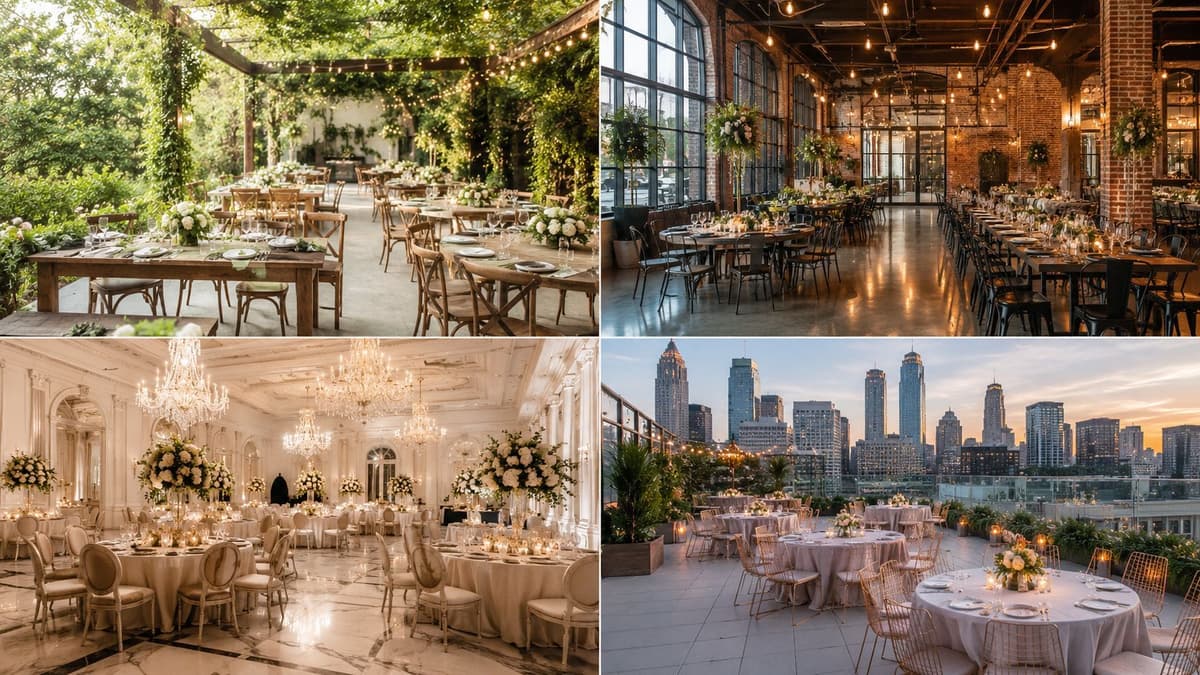
Your final price tag comes down to the vision you have for the evening. A relaxed backyard barbecue with a food truck could easily come in around $30 per guest. On the other hand, an elegant, multi-course plated dinner in a private restaurant space could easily climb past $200 per guest.
Rehearsal Dinner Cost at a Glance (2026 Projections)
This table gives you a snapshot of estimated costs to help you frame your own budget.
These numbers illustrate just how much your chosen vibe impacts the bottom line. A casual event keeps things lean, while a formal plated dinner is a much bigger investment.
Key Budget Drivers
So, where does all that money go? The cost variation really comes down to a few core factors that have a multiplying effect on your budget. Nailing these down is the first step toward turning that vague budget number into a solid plan.
Guest Count: This is the big one. More guests mean more food, more drinks, and often a larger (and pricier) space.
Venue & Event Style: Are we talking pizza in a park pavilion or a plated dinner at a downtown hotel? A casual setup is always going to be more budget-friendly than a formal affair.
Location: City center restaurants will almost always cost more than a great spot in the suburbs, a local brewery, or a family member's home.
Recent data shows that rehearsal dinner costs are definitely on the rise, right alongside broader wedding inflation. That $2,750 figure we mentioned is a solid projection for a multi-course meal for 20-50 guests.
Guest dynamics play a massive role here, too. Events with 100 or more guests are averaging around $3,139, while more intimate celebrations with 50 or fewer guests drop to $1,630. And if you're planning a destination wedding, expect that number to jump to around $3,838, since you're often hosting more out-of-town guests for the weekend. You can explore more 2026 wedding cost trends to get a sense of the bigger picture.
Understanding Your Rehearsal Dinner Cost Drivers
Ever wonder why one couple’s rehearsal dinner is a casual $1,500 affair while another’s easily hits $5,000? It’s not random. The final number comes down to a handful of key decisions you’ll make along the way.
Think of these decisions as the main volume knobs on your budget. Some turn the cost up just a little, while others can crank it way up. Getting a handle on these cost drivers is the first step to turning a vague number in your head into a real, predictable plan.
The Ultimate Multiplier: Your Guest List
Your guest count is, without a doubt, the single biggest factor that will shape your rehearsal dinner budget. It’s the ultimate cost multiplier.
Nearly every other expense, from the food and drinks to the number of chairs you rent, is priced on a per-person basis. A bigger guest list doesn’t just add a few bucks; it scales up the entire cost of the event.
While traditional etiquette once suggested inviting the wedding party, immediate family, and all out-of-town guests, modern couples are often editing that list down. It’s a smart way to keep the event intimate and the budget in check.
Intimate Group (20-30 guests): This usually means parents, siblings, the wedding party, and their partners. This keeps costs down and creates a much more personal, cozy vibe.
Expanded Group (40-60 guests): Here, you might add grandparents, other close relatives, and maybe those out-of-towners. This brings a more bustling energy but will significantly increase what you spend.
Nailing down your guest list early is a critical first step. It brings instant clarity and allows you to get realistic quotes from vendors right from the start.
The Financial Foundation: Your Venue and Location
The venue you choose sets the entire financial stage for the evening. A private dining room at an upscale restaurant comes with built-in ambiance, professional staff, and a premium price tag to match.
On the other hand, a casual brewery or a family member’s backyard gives you a relaxed, budget-friendly canvas that you can make your own.
When you're scrolling for inspiration, it's easy to fall for a certain look. But then reality hits. According to The Knot, the average rehearsal dinner now costs $2,700. That number climbs to $3,838 for destination weddings and sits closer to $2,442 for hometown events. The real insight is how guest count and venue are tied: events with over 100 guests average $3,139, while more intimate gatherings of 50 or fewer come in at just $1,630.
Location plays a huge part, too. A spot in a busy downtown area will almost always cost more than a similar venue out in the suburbs. And if you’re thinking about a unique option like hiring a private chef for an at-home dinner, understanding the breakdown of private chef costs for events explained can give you a much clearer picture of your potential spend.
The Main Event: Your Food and Drink Style
After the venue, what you serve will be your largest line item. The style of service you pick has a direct, and often dramatic, impact on the per-person cost.
Plated Dinner: This is the most formal and typically most expensive option. It feels refined and elegant but requires more staff and precise coordination, driving up the price.
Buffet or Family-Style: These options are generally 20-30% less expensive than a plated meal. They create a more communal, relaxed atmosphere and give guests more freedom to choose what they like.
Cocktail Reception: Featuring passed appetizers and food stations, this style is all about mingling. It can be a seriously chic and cost-effective alternative to a full sit-down dinner.
Likewise, your choices at the bar can make or break the budget. A full open bar with premium liquor is a major expense. A smart and popular strategy is to limit the offerings to beer, wine, and a signature cocktail. It still feels generous while keeping costs under control. You can dive deeper into how these choices affect your numbers with our guide on the average wedding catering cost per person.
How Your Rehearsal Dinner Budget Plays Out: 3 Sample Scenarios
Staring at a spreadsheet full of abstract numbers isn't always helpful. It's hard to connect a line item that just says "Venue - $5,000" to the actual feeling of the event. So, let's make the question "how much does a rehearsal dinner cost?" a lot more concrete.
Here are three detailed, sample budgets for completely different styles. Think of these as real-world examples to help you see where your own vision might land, and how quickly the costs can add up.
As you'll see, your final cost is almost always driven by three big things: your guest count, your venue choice, and your catering style. They're all connected, with the number of guests acting as the main multiplier for almost everything else.
Let's break down what these numbers look like in the wild.
Sample Rehearsal Dinner Budget Breakdowns
To give you a clearer picture of how these costs stack up, we've put together a comparison table. It breaks down the line-item expenses for three common rehearsal dinner styles: a casual BBQ, a classic restaurant dinner, and a chic cocktail party.
Cost Item
Casual BBQ (25 Guests)
Classic Restaurant (40 Guests)
Chic Cocktail Party (60 Guests)
Venue & Food/Drink
$1,500
$4,500 (F&B Minimum)
$7,200 (Venue, Catering & Bar)
Decor & Rentals
$100
$200
$500
Invitations
$50 (Digital)
$150 (Printed)
$200 (Printed)
Gratuity & Tax (20-22%)
$332
$1,067
$1,580
Total Estimated Cost
~$1,982
~$5,917
~$9,480
Notice how the per-person cost might be lower for one style, but a bigger guest list can easily make it the most expensive option overall. This is why nailing down your guest list first is so critical—it’s the foundation of your entire budget.
Scenario 1: The Casual Brewery Bash
Picture this: a relaxed Thursday night gathering for your absolute closest crew. This style is perfect if you want a fun, low-key atmosphere without the fuss of a formal sit-down meal. It's all about good beer and good company.
Guest Count:25 people (wedding party, parents, and siblings)
Total Estimated Cost:$1,500 - $2,500
This budget is totally achievable because breweries often have lower (or no) rental fees for their semi-private spaces, especially on a weeknight. Casual food from a food truck or the brewery's own kitchen keeps the per-person cost way down.
Here’s a sample breakdown:
Venue & Food:$1,200 - $1,800 (This covers a semi-private space, a buffet of tacos or sliders, and two drink tickets for each guest.)
Decor:$100 (Think simple: bud vases, candles, and maybe some printed menus.)
Invitations:$50 (Easy and eco-friendly digital e-vites.)
Gratuity & Tax (est. 20%):$240 - $360
Scenario 2: The Classic Restaurant Dinner
For a more traditional feel, booking a private dining room at a great restaurant is a classic for a reason. The ambiance is built-in, the service is handled, and it requires much less hands-on planning from you. It's elegant and straightforward.
Guest Count:40 people (including the wedding party, immediate family, and close relatives)
Total Estimated Cost:$4,000 - $6,000
The biggest chunk of this cost is the food and beverage minimum. This is the minimum amount the restaurant requires you to spend to have exclusive use of their private room, especially on a prime Friday night.
A key part of planning is understanding where your budget fits within the broader wedding financial picture. To see how this dinner cost fits into the total expense, you can learn more about the average wedding cost in our comprehensive study.
Here’s what that budget could look like:
Venue, Food & Beverage Minimum:$3,500 - $5,000 (This typically covers the room itself, a three-course plated meal, and beer/wine service.)
Decor:$200 (Just some modest floral centerpieces for the tables.)
Invitations:$150 (For simple printed invitations and postage.)
Gratuity & Tax (est. 22%):$770 - $1,100
Scenario 3: The Chic Cocktail Party
This option strikes a beautiful balance between sophistication and social energy. Held at a stylish bar or a small, modern event space, it lets guests mingle freely over passed appetizers and craft cocktails instead of being locked into a specific seat for hours.
Guest Count:60 people (includes the wedding party, all immediate family, and out-of-town guests)
Total Estimated Cost:$7,000+
While the per-person cost for appetizers can be less than a full plated meal, the much larger guest count is what drives the total price up. You're creating an experience that feels more like a chic party and less like a formal dinner.
Let's break down those numbers:
Venue Rental & Staffing:$1,500
Food (Passed Appetizers & Food Stations):$3,600 (or $60 per person)
Bar (Beer, Wine & 2 Signature Cocktails):$2,100 (or $35 per person)
Decor & Rentals (High-top tables, linens):$500
Gratuity & Tax (est. 20%):$1,540
Navigating Who Pays for the Rehearsal Dinner
You've figured out the cost per person, you've debated between a casual brewery and a plated dinner, but then comes the real question: who's actually paying for all of this? It's often the elephant in the room, and letting it linger can lead to awkwardness and financial stress.
The goal is to move from assumptions to clarity from the very start. Getting this conversation out of the way early is one of the biggest favors you can do for yourselves, allowing you to move forward with confidence and a clear plan.
The Shift from Tradition to Modern Reality
Let's get one thing straight: the old-school "rule" that the groom's family must host and pay for the rehearsal dinner is pretty outdated. Traditionally, this was their way of contributing to the wedding weekend while the bride's family typically covered the wedding itself.
But in 2026, that tradition is more of a suggestion than a requirement. While some families are happy to uphold it, many more couples are creating arrangements that fit their own financial realities and family dynamics.
The truth is, there's no single right answer anymore. The most important thing is to talk about it. Open communication early on prevents misunderstandings and makes sure everyone feels comfortable and included.
Today, you're more likely to see one of these scenarios:
The Couple Pays: It's incredibly common for couples, especially those who are a bit more established in their careers, to host the rehearsal dinner themselves. This gives them total creative and financial control.
A Shared Contribution: More and more, we see both sets of parents chipping in. This could be a straight 50/50 split or any other proportion that everyone agrees on.
A Hybrid Approach: Sometimes one family offers to cover the big-ticket items like the venue and food, while the couple picks up the bar tab. Or maybe the parents contribute a set amount, and the couple covers the rest.
How to Start the Conversation
Talking about money is rarely anyone's favorite activity, but it doesn't have to be a big, scary thing. The key is to frame it as a collaborative planning session, not as a request for cash. You're all just figuring out how to best kick off the celebration together. Learning how to budget as a couple is a huge part of managing these costs, especially when you're coordinating with family.
Here are a few gentle, low-pressure ways to bring it up with your families:
"We're so excited to start planning the rehearsal dinner and are looking at a few ideas. We'd love to chat with both our families about what that night could look like and figure out how we can all bring it to life."
"We know that traditionally, the groom's family often hosts the rehearsal dinner. Is that something you might be interested in helping out with? We're totally flexible and just want to find a plan that works for everyone."
"As we're getting our main wedding budget locked in, we're trying to get a clearer picture of all the events. We'd love to get everyone's thoughts on the rehearsal dinner and how we should approach it."
When you approach the "who pays" question with a spirit of teamwork, it stops being a source of tension. Instead, it becomes just another part of planning a joyful, welcoming start to your wedding weekend.
Smart Strategies to Lower Your Rehearsal Dinner Costs
Let’s be honest: the rehearsal dinner can sometimes feel like a "mini wedding" with a price tag to match. It’s supposed to be a joyful, relaxed kickoff to your wedding weekend, not another source of financial stress. The good news? There are plenty of smart ways to bring that cost down without making the event feel cheap.
This isn't about cutting corners. It's about making deliberate choices that align with your budget and priorities, the same way ItsaYes helps you turn inspiration into a clear plan. By breaking it down, you stay in control and avoid overwhelm. Let's dig into some high-impact ways to save.
Rethink Your Timing
This is one of the easiest and most effective ways to cut costs right out of the gate. When you hold your event has a huge influence on what you’ll pay for a venue and catering.
Host a Weekday Event: A Friday night is prime time for any restaurant or event space. Simply by shifting your dinner to a Thursday night, you can often find significant savings. Since most rehearsals happen on a weekday anyway, it’s a natural fit that can save you a bundle on venue fees and food and beverage minimums.
Consider a Lunch or Brunch: An evening dinner is always the most expensive meal of the day. Hosting a post-rehearsal lunch or even a weekend brunch can slice your catering costs by 30-40%. A beautiful brunch with mimosas can feel every bit as special and celebratory as a formal dinner.
Choose a Budget-Friendly Venue
Where you host your event is a massive cost driver. The classic private dining room at a fancy restaurant is a lovely choice, but it's also one of the priciest. Getting creative with your venue can unlock some serious savings.
Here are a few alternatives to consider:
Breweries or Wine Bars: These spots often have semi-private areas with low or even no rental fees, especially if you book on a weeknight. Plus, the built-in ambiance means you spend way less on décor.
Family-Style Restaurants: Pick a favorite local spot that serves big, shareable platters. This creates a warm, communal vibe and is far more cost-effective than serving individual plated meals.
Your Own Backyard: This is the ultimate budget-saver. Hosting at home eliminates the venue fee completely. It gives you the freedom to bring in a caterer, hire a food truck, or just fire up the grill for a relaxed BBQ with your favorite people.
Get Smart with Food and Drinks
What you serve, and how you serve it, is another huge opportunity to manage your budget. A formal, multi-course plated dinner is the most expensive route, but a buffet or cocktail-style reception can be just as elegant and much more affordable.
Opting for a buffet or food stations instead of a plated meal can reduce your per-person food cost by 20-30%. It also creates a more relaxed, interactive atmosphere where guests can mingle and choose what they like.
The bar tab is another place where costs can spiral. A full open bar with premium liquor is a major expense. To keep this in check without feeling stingy, consider limiting the bar to beer, wine, and one or two signature cocktails. It still feels generous and personal, but it keeps you from blowing the budget. For couples looking for more ways to save across the board, our guide on planning a beautiful wedding on a budget has even more ideas.
Be Strategic with Your Guest List and Invitations
Here's the hard truth: your guest count is the biggest multiplier for nearly every single expense. While it’s tempting to invite every out-of-town guest, trimming that list is the single most powerful way to reduce your total cost. Keeping the dinner to just your wedding party, immediate family, and the officiant makes the event more intimate and keeps your budget intact.
Finally, save on paper and postage by sending digital invitations. Modern e-vites are stylish, easy to track, and practically free. This small switch saves money and is an eco-friendly choice, perfectly aligning with the streamlined, organized approach that makes wedding planning feel calm and under control.
From Vision to Action: Managing Your Rehearsal Dinner Budget
You’ve got a vision for your rehearsal dinner and a rough budget in mind. So, now what? This is the point where a plan can either come together beautifully or dissolve into a chaotic mess of spreadsheets, scattered notes, and vendor emails. For newly engaged couples who want to feel confident, not overwhelmed, having a calm, intuitive workspace is key.
Imagine having one central place for every single detail.
This is where a true planning system like ItsaYes flips the script. Instead of juggling spreadsheets, it's designed to bring your vision, tasks, budget, and timeline together. It's built for couples who want to move past the big, scary question of "how much will this cost?" and break it down into simple, manageable steps.
Turning Inspiration into a Structured Plan
You begin by defining your style and ideas. The platform then helps you turn that inspiration into a clear plan, breaking the next 6 to 12 months into simple, manageable steps. Instead of a messy spreadsheet, ItsaYes gives you a dedicated workspace to track your rehearsal dinner budget separately from your main wedding expenses. No more financial overlap or confusion.
From there, you can start tracking every detail with real precision. This means you can:
Log and Compare Vendor Quotes: Easily drop in proposals from different restaurants, caterers, and venues to see how they stack up.
Track Payments and Due Dates: Set reminders for deposits and final payments so you never miss a deadline.
Assign and Organize Tasks: Build a clear to-do list for every step, from booking the venue to sending out the invites.
It becomes the single source of truth for all things financial, so you always know exactly where you stand.
Your Personal AI Planning Assistant
One of the biggest hurdles in planning is simply knowing what to do next. Your personal AI assistant is available 24/7 to suggest priorities, organize tasks, and keep everything moving forward without overwhelm.
For example, if you’ve set a date but haven't booked a venue yet, the assistant will flag this as your top priority. If a payment is coming due, you'll get a nudge. It’s designed to keep things moving forward, helping you make confident, clear-headed decisions and enjoy the process.
The screenshot below shows how ItsaYes brings your entire wedding plan, from vision to vendors, into a single, easy-to-understand workspace.
This visual approach organizes everything from your moodboard to your task list, giving you a top-down view of your progress. It's all about bringing your vision, your tasks, and your budget together in one place, so you can feel in control from the first idea to the final toast.
Rehearsal Dinner Planning FAQs
Once you’ve nailed down the big-picture vision for your rehearsal dinner, a handful of smaller, nagging questions always seem to surface. Getting these details sorted is what lets you move forward with confidence, so let's clear up the most common ones we hear from couples.
Who Absolutely Needs an Invitation?
This is easily the number one question, and the answer is simpler than you might think. Your non-negotiable guest list includes your wedding party and your immediate family.
Think of it as the core team: your parents, siblings, and the officiant (plus their partners or spouses) are all essential since they’re actually participating in the ceremony rehearsal. That’s your starting point.
From there, you can expand the list depending on your budget and how intimate you want the evening to feel. Many couples also choose to invite:
Grandparents and other very close relatives.
All out-of-town guests as a warm thank-you for making the trip.
The parents of any child attendants (like your flower girl or ring bearer).
Traditionally, inviting all out-of-town guests was the standard rule. These days, however, more and more couples are keeping the event smaller to manage costs and create a more personal, relaxed atmosphere. The only "rule" is to do what feels right for you and your budget.
Are Formal Invitations Necessary?
Nope, you definitely don't need to send formal printed invitations for the rehearsal dinner. While you certainly can if it matches the style of your event, this is a super common and smart place to save a little money and effort.
Digital invitations are perfectly acceptable and, honestly, often more practical. Using an e-vite service or even a beautifully designed email gets the job done without the extra stress. It’s a small choice that simplifies the process, which is exactly the kind of clarity we believe in.
Can We Host a Casual Event for a Formal Wedding?
Absolutely! In fact, it’s a fantastic idea. There is no rule that says your rehearsal dinner has to match the formality of your wedding day.
Hosting something more laid-back, like a backyard BBQ, a brewery takeover, or a pizza party, can be a wonderful contrast to a black-tie wedding. It creates a relaxed, low-pressure space for your two families and closest friends to actually connect before the main event. It helps break the ice and sets a warm, celebratory tone for the whole weekend.
How Far in Advance Should We Book the Venue?
The sweet spot for booking your rehearsal dinner venue is four to six months before the event. This gives you plenty of time to lock in your top choice without scrambling at the last minute, especially if you’re eyeing a popular restaurant or a prime Friday night slot.
However, if you're planning for a very large group, getting married during a peak month (like June or October), or have your heart set on a specific, high-demand spot, you might want to start looking nine to twelve months out. Getting this task checked off your list early brings a huge sense of relief and lets you build out the rest of your plan with total clarity.
Feeling overwhelmed by all the moving parts? ItsaYes is an AI-powered wedding planning system designed for couples who want clarity from the very start. Instead of juggling spreadsheets, Pinterest boards, and scattered notes, ItsaYes brings your vision, tasks, budget, and timeline into one calm, intuitive workspace so you can enjoy the process. Start planning with clarity at ItsaYes.